


Smithsonian Ranks the Islamic Civilization Center in Uzbekistan Among the World’s Top 10 Museums for 2026
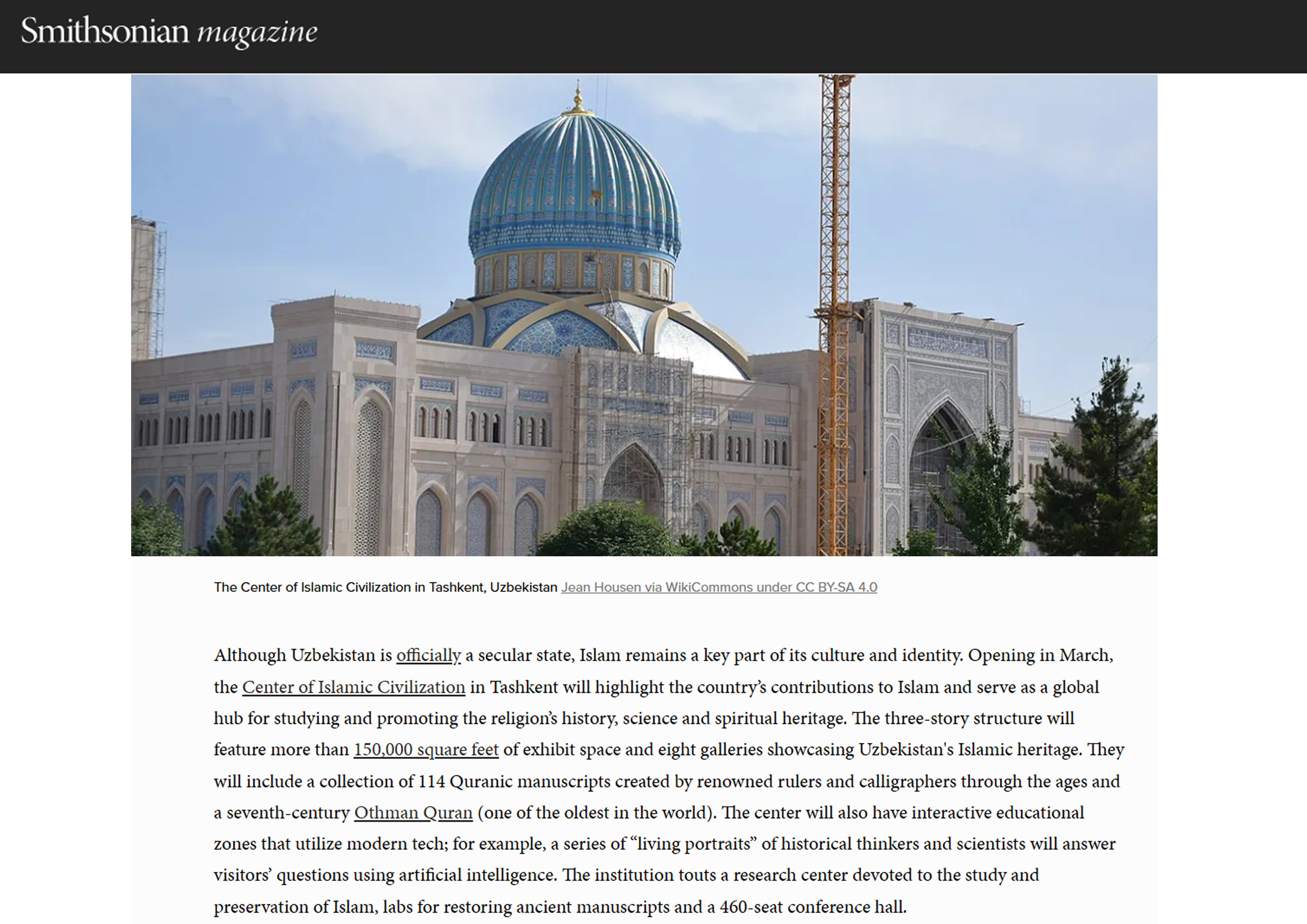
The Islamic Civilization Center in Uzbekistan, currently under construction in Tashkent, has been recognized by Smithsonian Magazine the official publication of the Smithsonian Institution in the United States as one of the ten most highly anticipated museums in the world for 2026. Founded in 1970, the magazine is an internationally respected popular-science publication covering science, history, culture, and museology. Inclusion in its rankings is regarded as a mark of high-level global expert recognition for major projects.
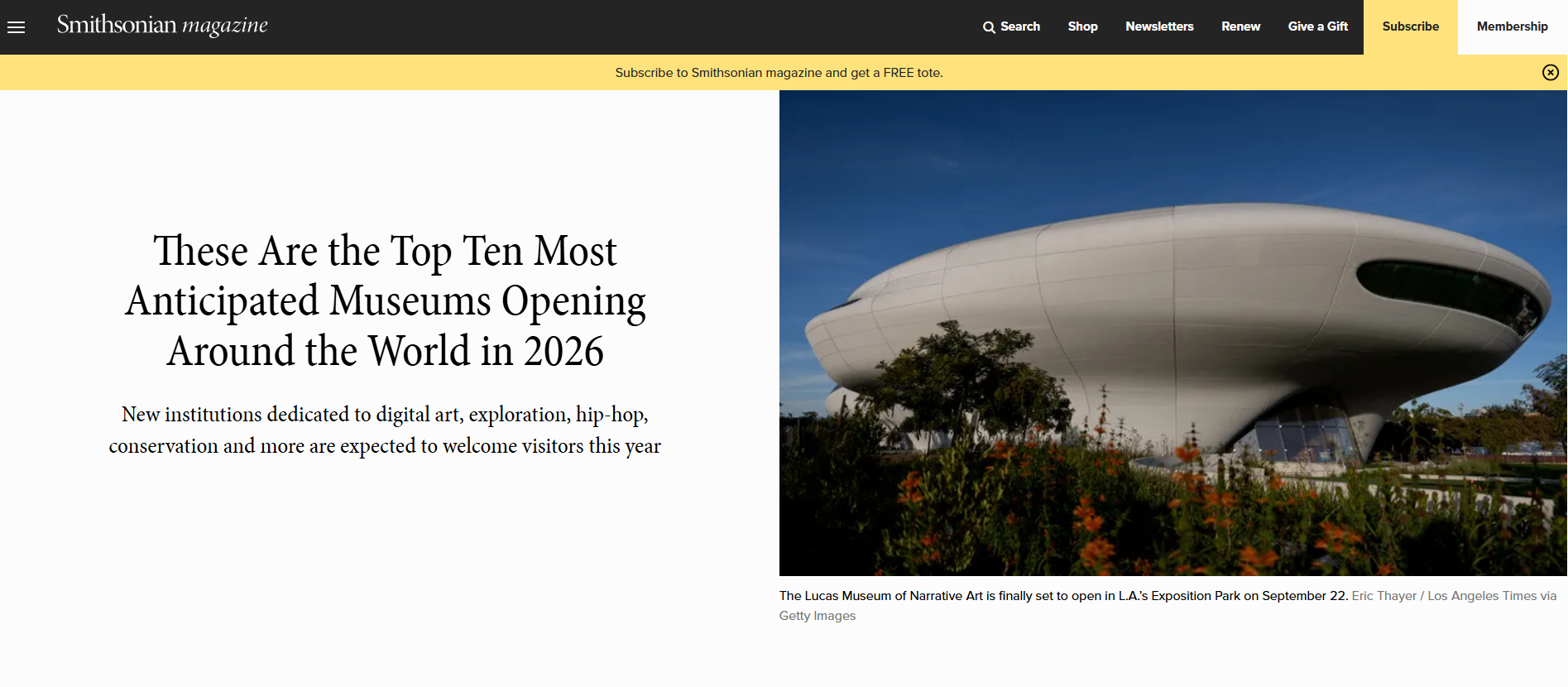
The prestigious list also features renowned museum projects such as the Lucas Museum of Narrative Art (Los Angeles), the National Geographic Museum of Exploration (Washington, D.C.), the London Museum (London), MoN Takanawa: The Museum of Narratives (Tokyo), The Hip Hop Museum (New York), and Kanal–Centre Pompidou (Brussels). This places the Islamic Civilization Center in Uzbekistan alongside the world’s leading museum initiatives.
According to the publication, the opening of the Islamic Civilization Center in Uzbekistan is scheduled for March 2026. Smithsonian Magazine notes that the three-story museum complex will include extensive exhibition spaces, Renaissance-era halls, and a unique collection of 114 Qur’an manuscripts created across different historical periods. Among them is the 7th-century Uthman Qur’an, one of the oldest surviving copies of the Holy Book in the world.
The magazine highlights the extensive use of modern digital technologies at the center. In particular, visitors will be able to engage in virtual interactions with great Islamic scholars and thinkers through AI-based “living portraits.”
The Islamic Civilization Center will also house a research institute specializing in the study of Islamic heritage, laboratories for the restoration of ancient manuscripts, and a 460-seat international conference hall. This defines the center’s status as a world-class, multifunctional scientific, educational, and cultural hub.
Smithsonian Magazine pays special attention to the architectural design of the complex, which harmoniously combines traditional Central Asian styles characteristic of the Timurid era with modern architectural solutions. The 65-meter-high turquoise dome symbolizes the grandeur and profound spiritual meaning of the scientific and intellectual heritage of Islamic civilization.
The inclusion of the Islamic Civilization Center in Uzbekistan in Smithsonian Magazine’s list of the world’s most anticipated museums is regarded as an important international recognition of the country’s scientific, spiritual, and cultural contribution to global heritage, as well as confirmation of Uzbekistan’s steadily growing prestige on the global cultural stage.
Most read
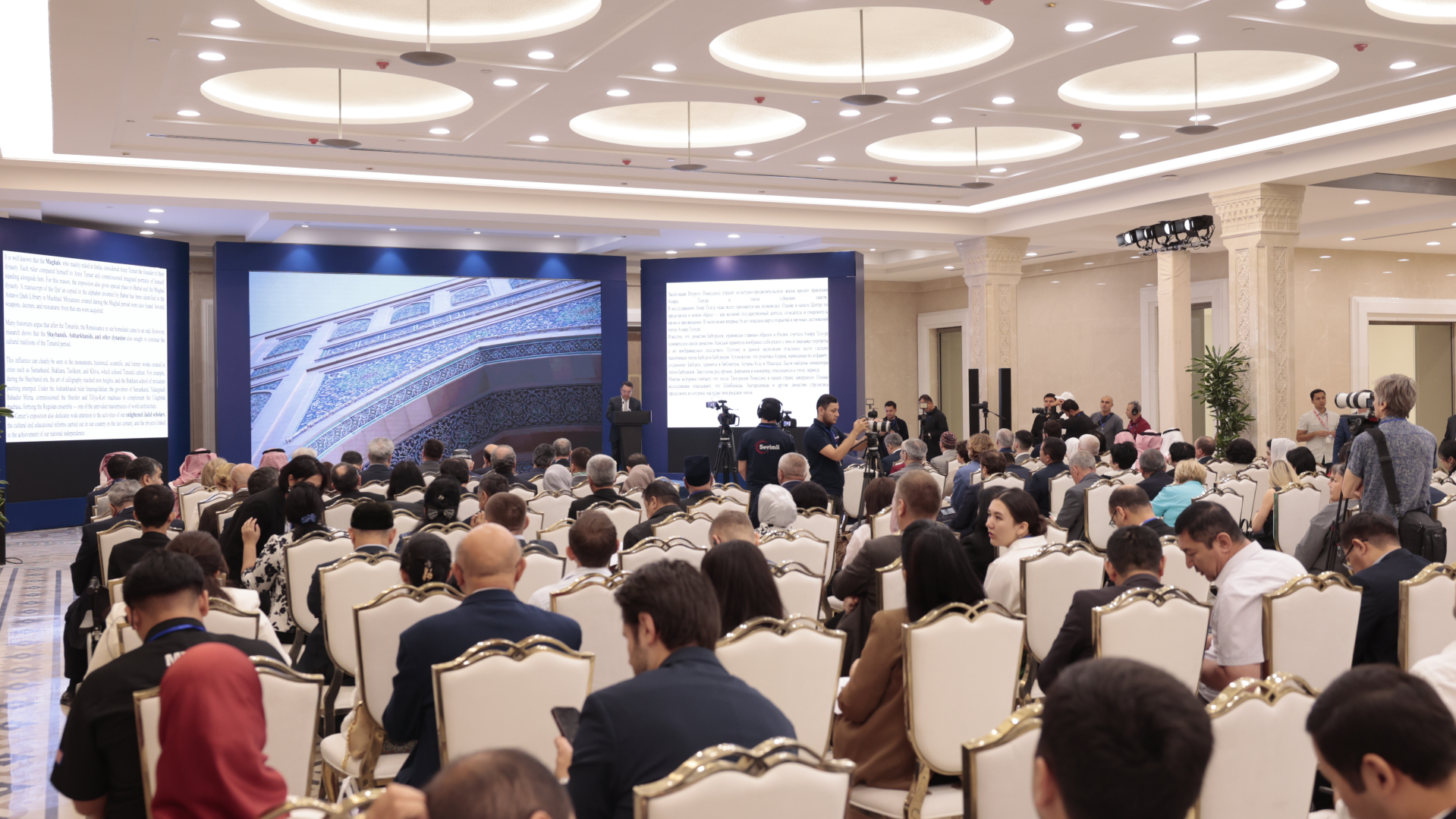
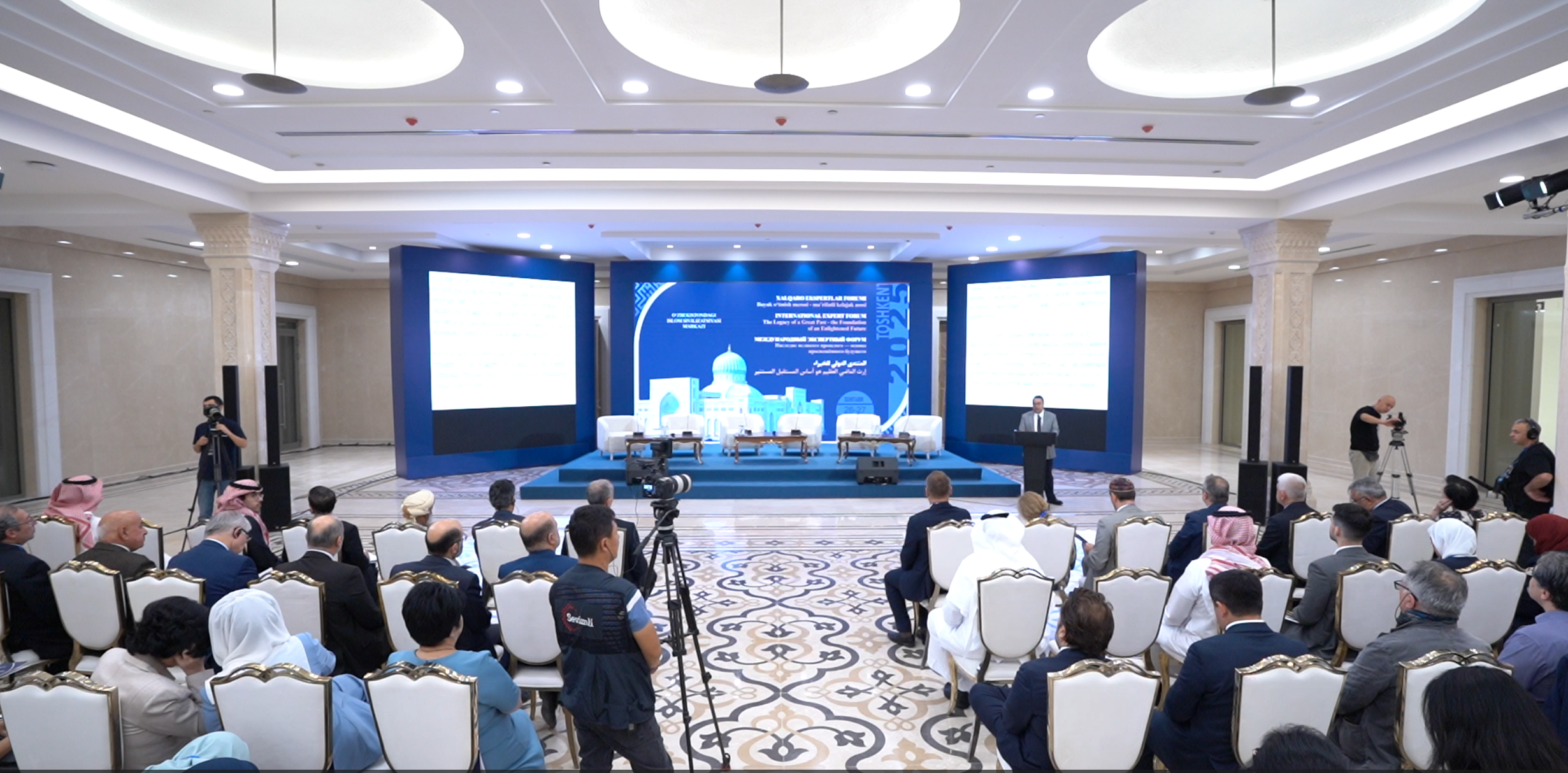
Over 100 experts from more than 20 countries of the world are in Tashkent!
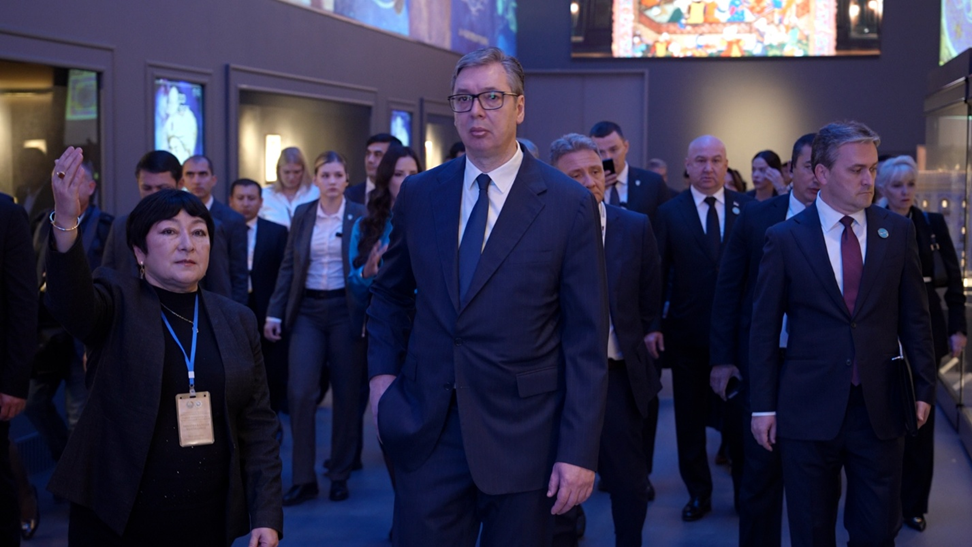
President of Serbia Aleksandar Vučić visited the Islamic Civilization Center in Uzbekistan
The Center for Islamic Civilization – a global platform leading towards enlightenment
