


How was a copy of the historical decree of Abulgazi Bahadur Khan of Khiva returned to Uzbekistan from Iran?
Built over eight years, the Islamic Civilization Center in Uzbekistan today attracts attention not only as a monumental architectural complex but also as a scientific and educational space embodying the efforts of hundreds of scholars. The unique objects of our historical heritage and rare artifacts displayed in the museum’s exhibitions further heighten this interest.
The authorial project of President Shavkat Mirziyoyev constructed over eight years with the participation of nearly 4,000 builders and shaped by around 800 local and international scholars, as well as art historians, craftsmen, and designers presents the processes of development from the pre-Islamic period to today’s New Uzbekistan. Most importantly, the Islamic Civilization Center in Uzbekistan, expected to open this year, is generating great public interest.
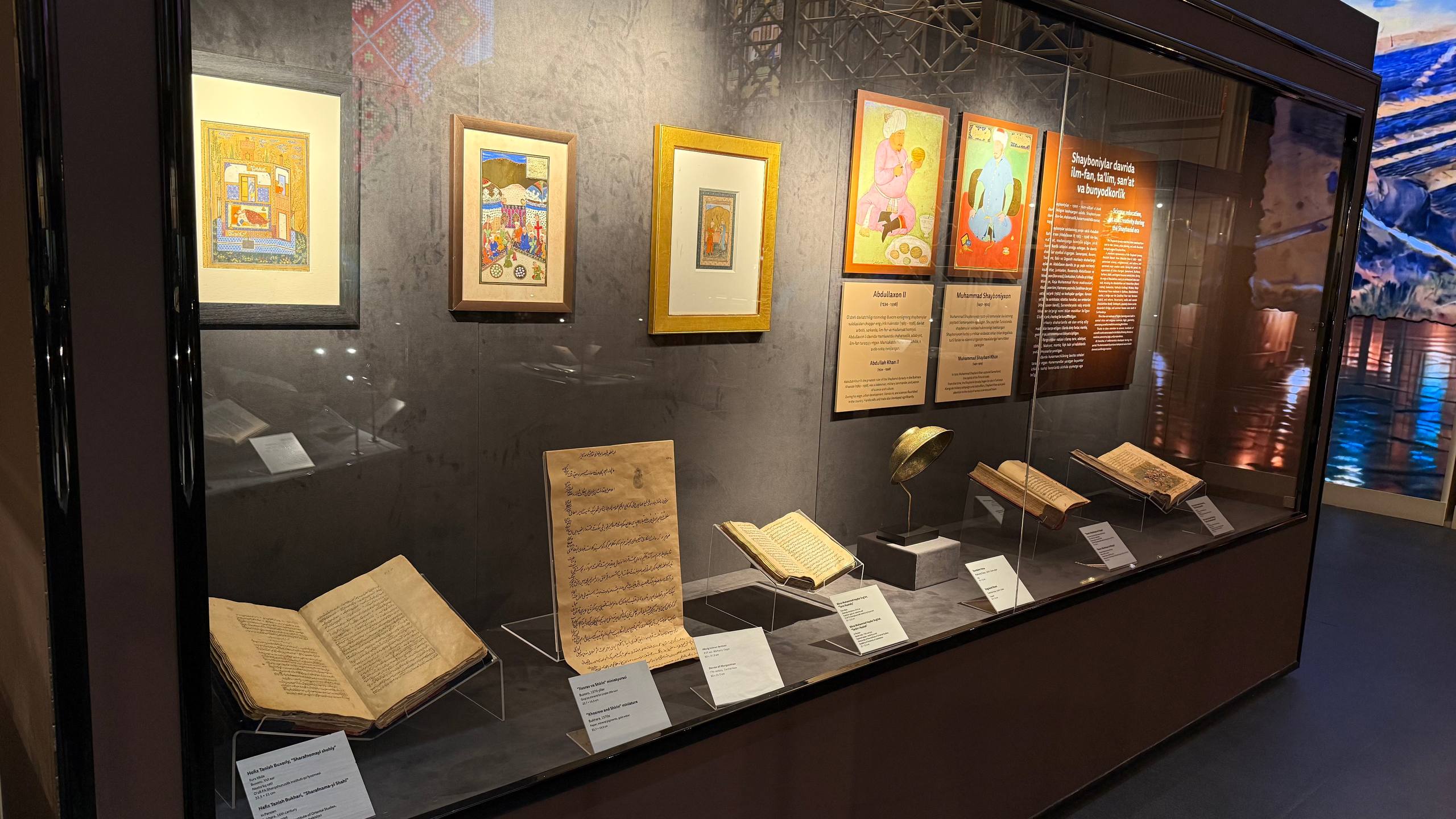
Beyond the external grandeur of the museum, its internal content is also of great significance due to its comprehensive scope. In particular, through the exhibitions in the “Uzbek Khanates” section of the “Second Renaissance Period” of the museum display, visitors can vividly perceive the roots of Uzbek statehood and how the national language and spiritual culture evolved.
In this sector, the histories of the Shaybanids, Ashtarkhanids, Kungrats, Mangits, and Mings dynasties are presented in a systematic manner. The exhibition offers a broad understanding of the political processes, systems of governance, and cultural environment that existed in Central Asia from the fifteenth to the nineteenth centuries.
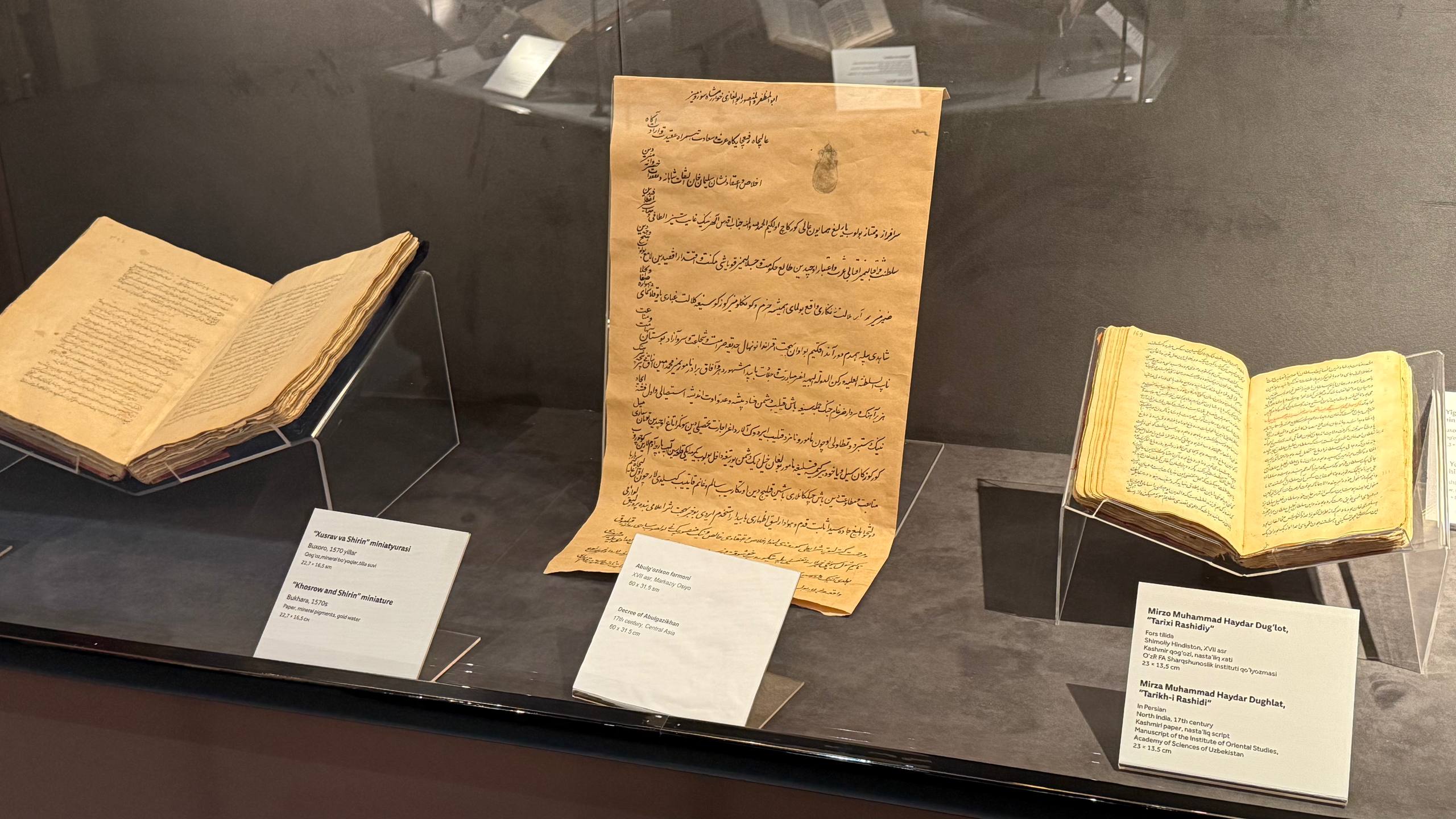
Of special note are the rare manuscripts, official documents, and decrees from the Shaybanid and Ashtarkhanid periods, which attract particular attention. Among them, a decree written in the Turkic language belonging to the great Khan of Khiva, historian and thinker Abulgazi Bahadur Khan, is regarded as one of the most valuable treasures of the exhibition.
The original of this decree is currently preserved in the library of the Astan Quds Razavi in the city of Mashhad, Islamic Republic of Iran. During a scientific visit to this Islamic country by the Center’s research staff in 2025, they witnessed this firsthand. This, in turn, led to the creation of a facsimile copy of the rare artifact. The copy of the historical decree of the Khan of Khiva, Abulgazi Bahadur Khan, displayed in the Center’s exhibition was reproduced by the renowned calligrapher Habibulloh Solih.
Today, this historical document and rare artifact is presented to the wider public at the Islamic Civilization Center in Uzbekistan as a vivid example of Uzbek statehood and political culture. This process once again demonstrates the strong scholarly foundation of the museum’s exhibition.
Most read
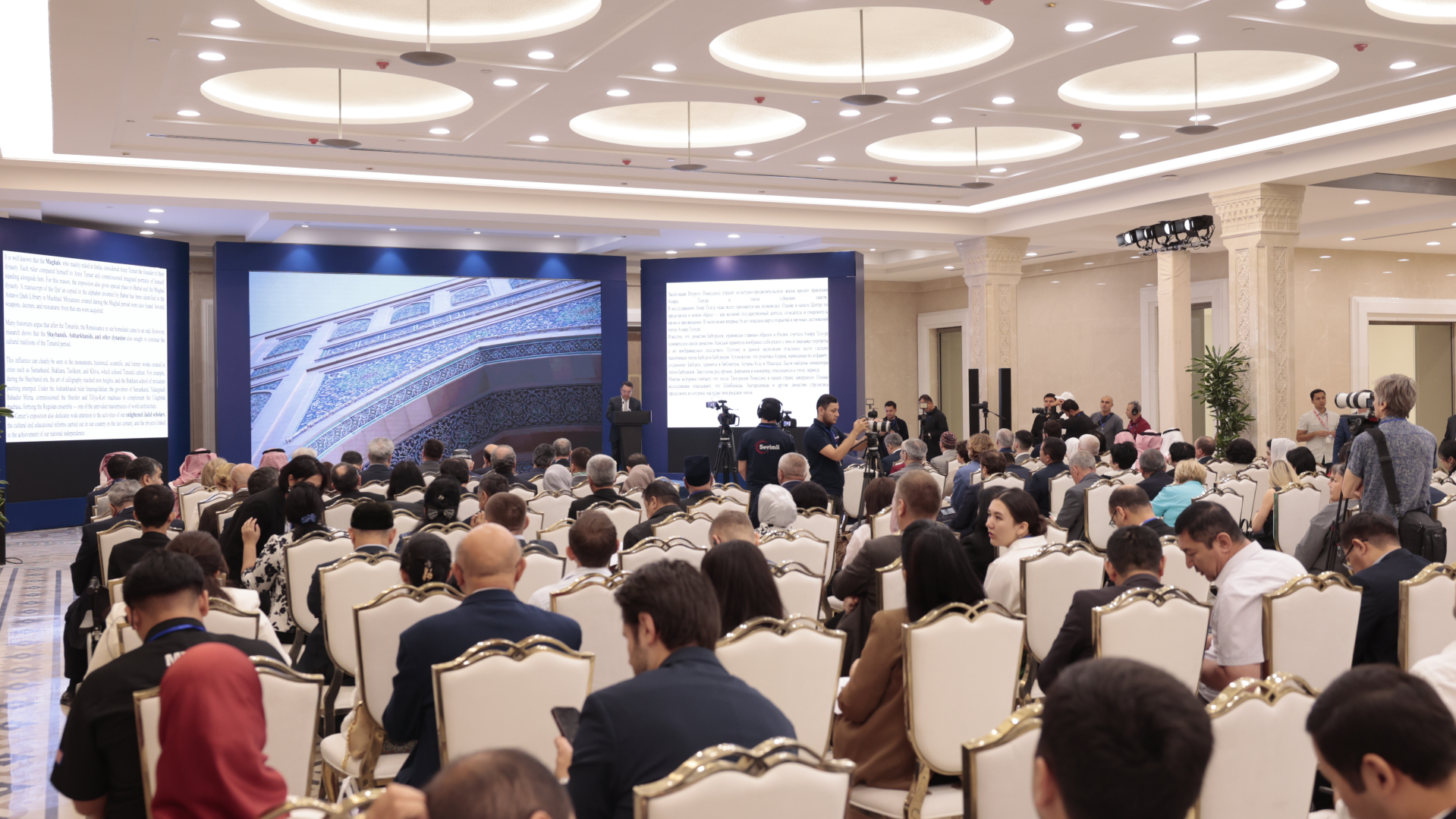
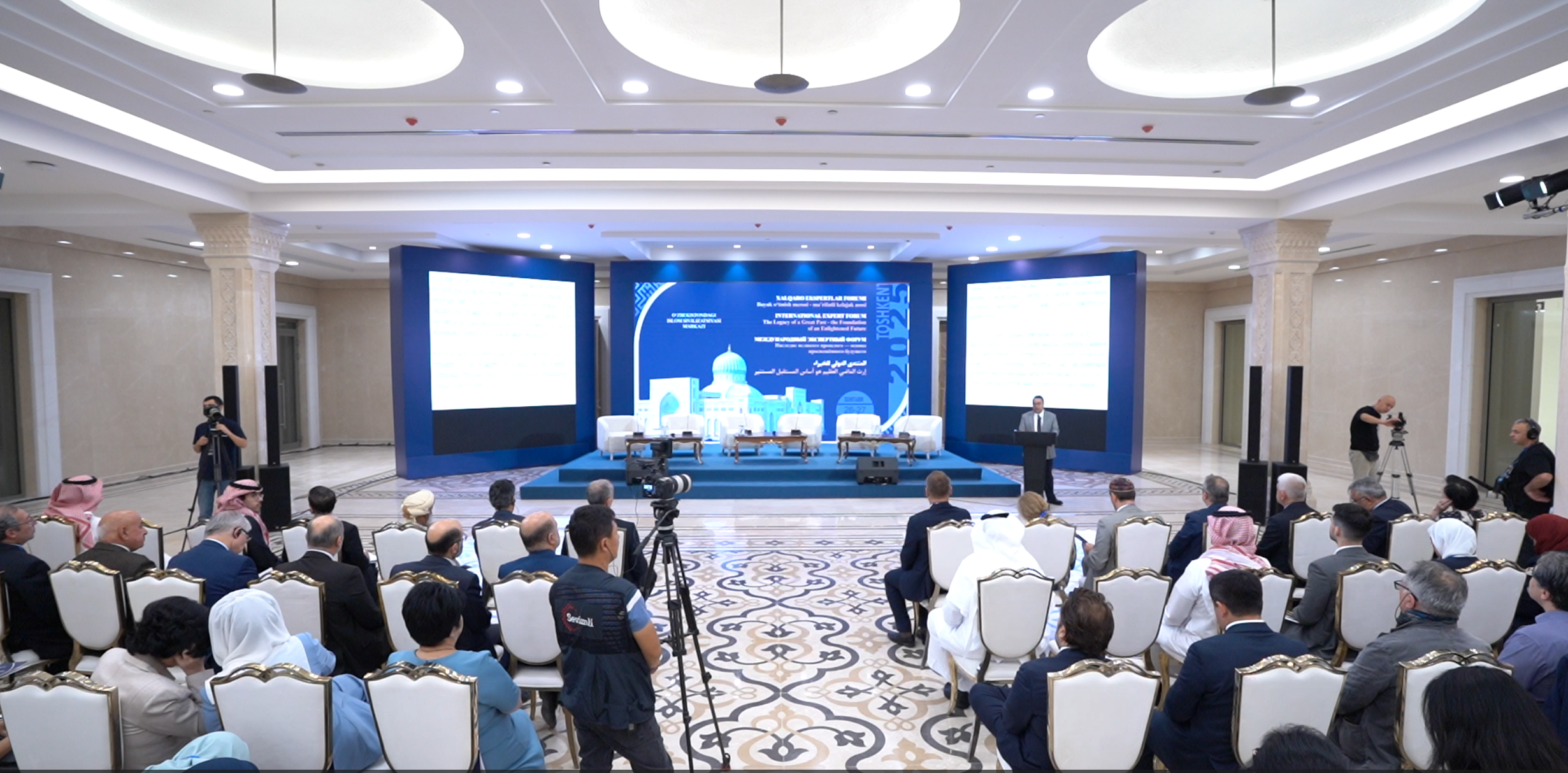
Over 100 experts from more than 20 countries of the world are in Tashkent!
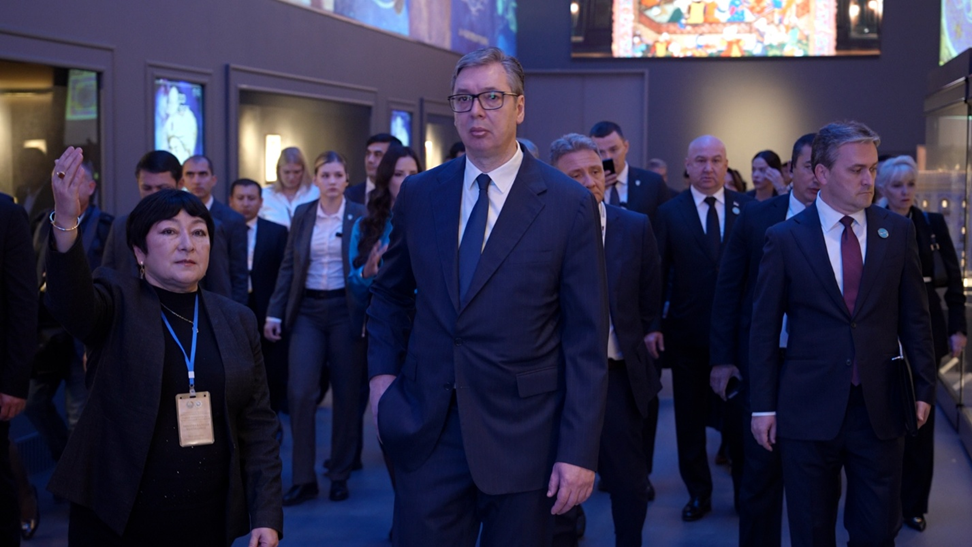
President of Serbia Aleksandar Vučić visited the Islamic Civilization Center in Uzbekistan
The Center for Islamic Civilization – a global platform leading towards enlightenment
