


“We are also proud of this land” – the Speaker of the Jordanian Parliament recognized the President’s initiative on behalf of the Islamic world
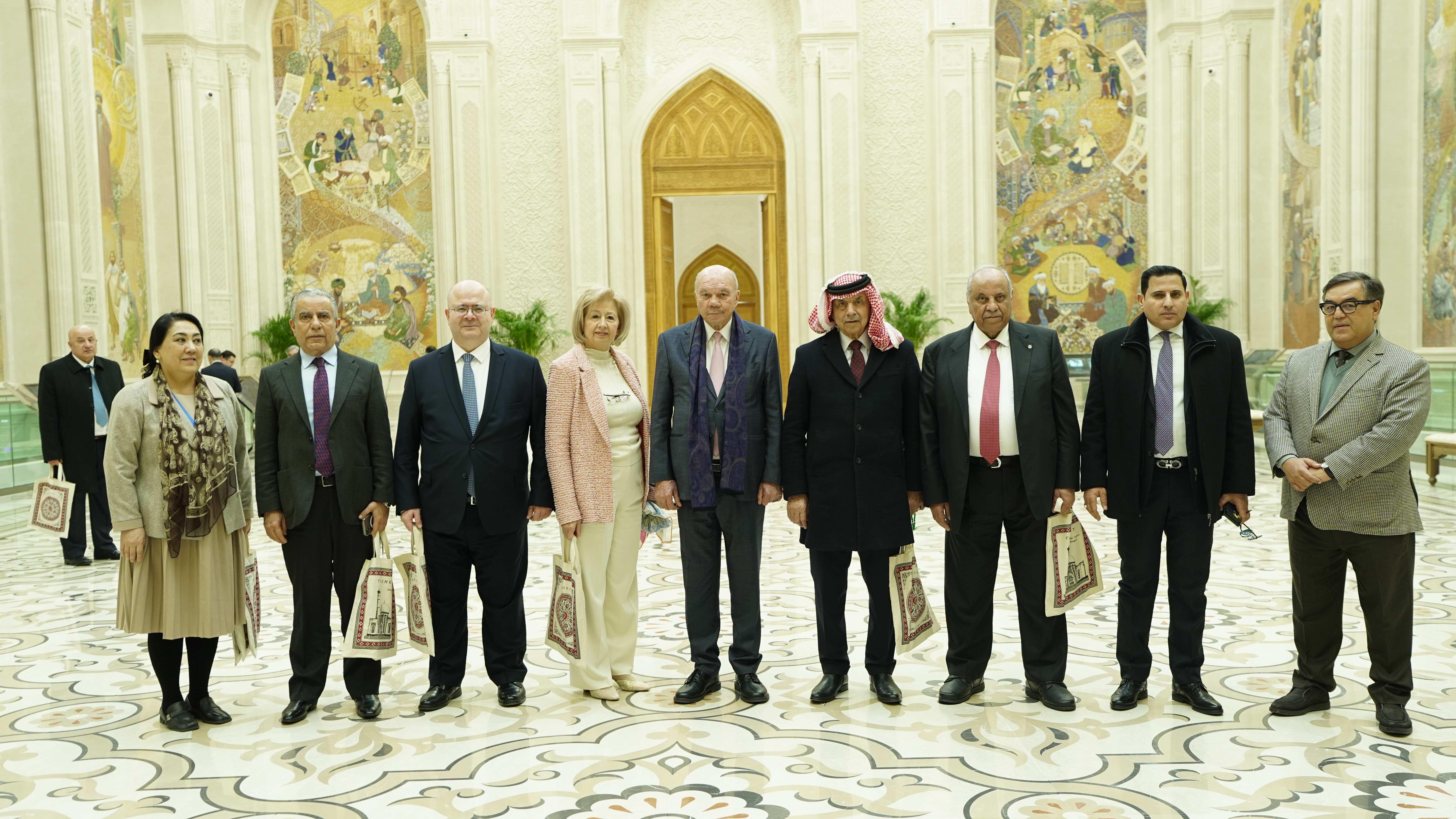
A high-level delegation led by Faisal Akef Al-Fayez, Speaker of the Senate (Majlis al-Ayan) of the Hashemite Kingdom of Jordan, visited the Center of Islamic Civilization during their official visit to the Republic of Uzbekistan.
First, the delegation was given detailed information about the 14 symbolic arches displayed in the central part of the Center — the Hall of Honor. The guests were particularly drawn to the image of Amir Temur, the Sahibqiran and patron of knowledge and enlightenment. It was explained on a scholarly basis that Amir Temur was a great statesman who created an independent political and military school. This information further increased the delegation’s respect for the personality of Amir Temur.
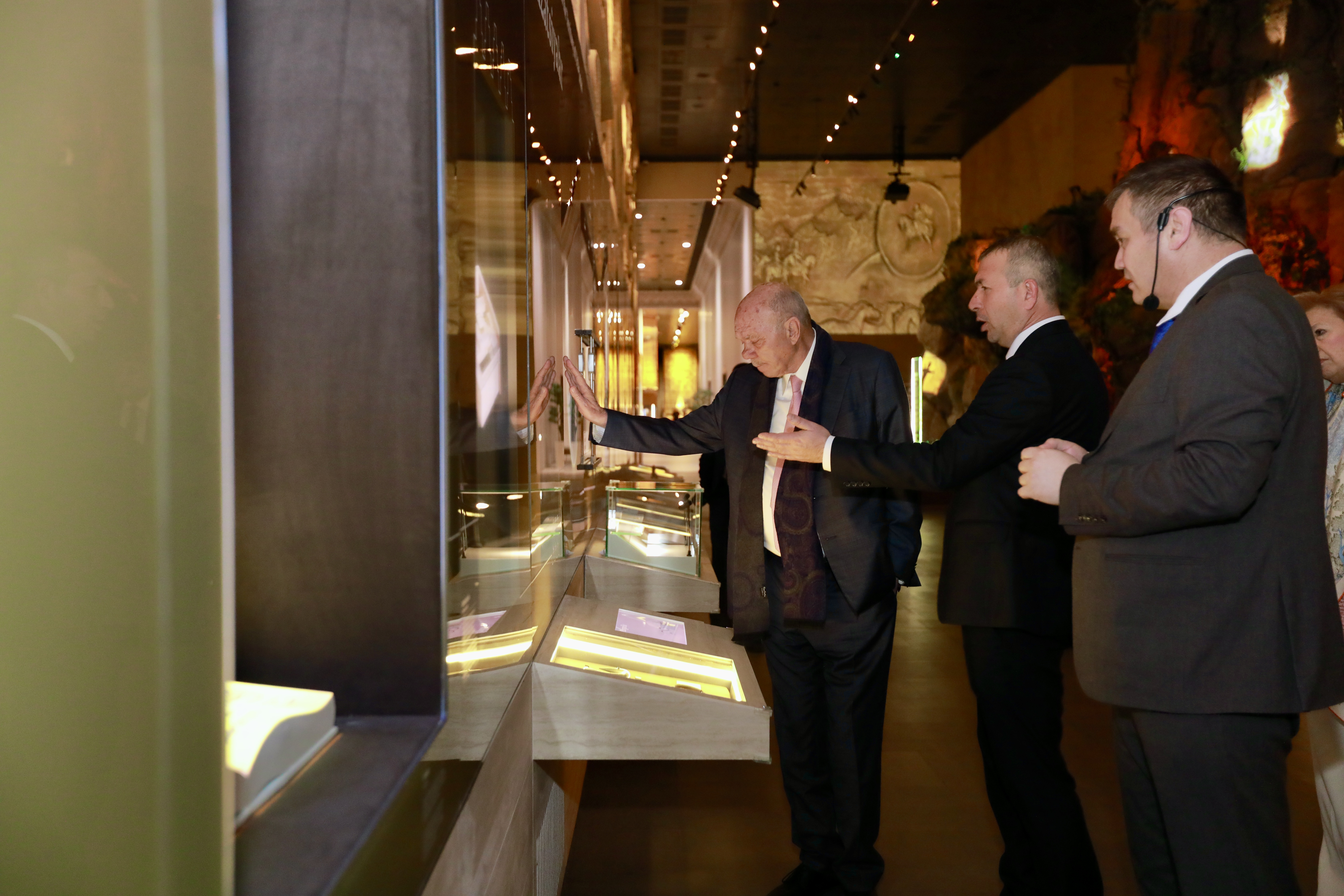
The distinguished guests described the Center as a unique place that promotes to the entire world the true essence of Islam as a religion of purity, goodness, and peace. They emphasized the importance of widely promoting this complex at the international level and noted that leaders of other countries and global figures should also visit this place.
The next stop was the Pre-Islamic Period exhibition. In this section, the guests embarked on a journey through nearly 3,000 years of ancient history of the Central Asian region. The presentation of the exhibition in Uzbek, Russian, English, Arabic, and Chinese, as well as its creation based on artificial intelligence and modern technologies, made a strong impression on the delegation members. In particular, the Ancient Bactrian carpet, scenes of the Great Silk Road, and ivory chess pieces discovered at the Dalverzintepa archaeological site in Surkhandarya Region attracted special interest. The fact that these chess pieces date back to the 2nd–3rd centuries CE almost 400 years earlier than the history of chess in India greatly impressed the guests.
In the First Renaissance exhibition, the delegation had the opportunity to physically touch Samarkand paper, view gold jewelry from the 11th–12th centuries belonging to the Seljuk period, and familiarize themselves with historical monuments.
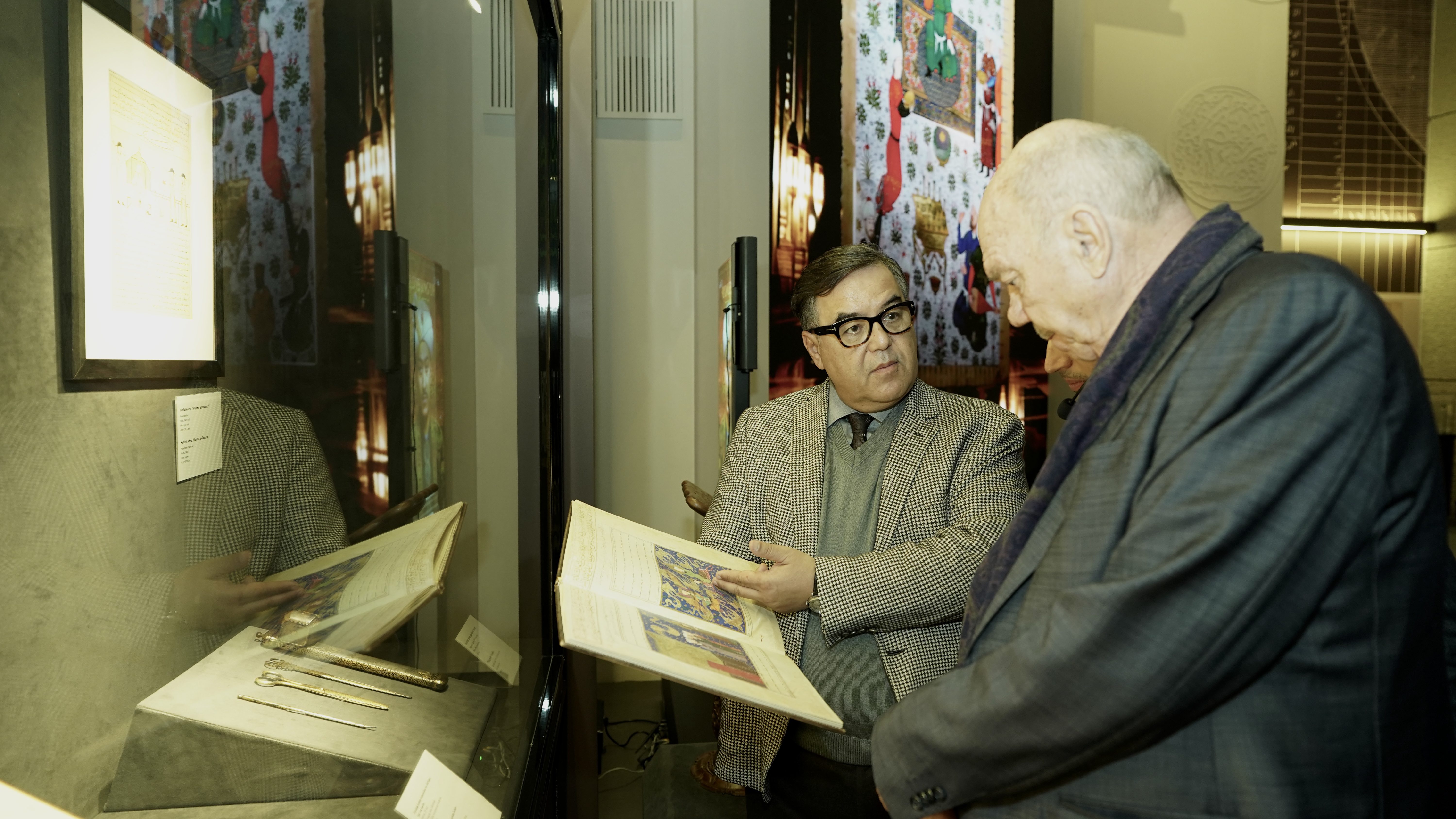
The role of great scholars and thinkers who emerged from the land of Uzbekistan in world civilization was explained to the delegation in particular detail.
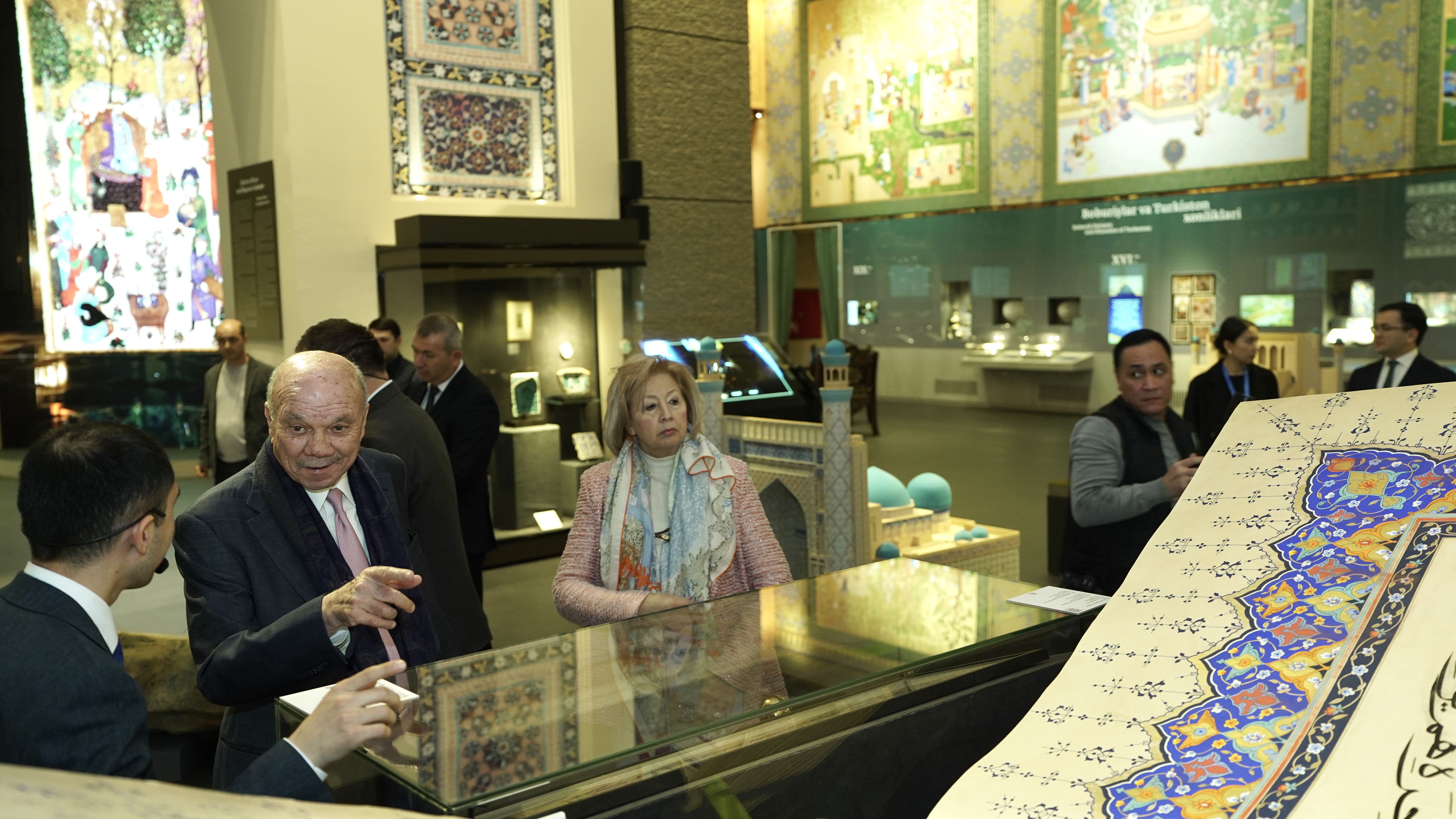
In the Second Renaissance exhibition, the guests became acquainted with the Library of Amir Temur, fragments of the Holy Qur’an written by Umar Aqta dating to the 14th–15th centuries, as well as the Ulugh Beg Observatory and its catalog of 1,018 stars. The fact that the positions of the stars almost fully correspond to modern scientific findings was highly praised by the delegation. Garments from the 15th–18th centuries inscribed with Qur’anic verses were recognized as outstanding examples of Islamic art and aesthetic thought.
The visit continued in the “New Uzbekistan – the Foundation of a New Renaissance” section. Here, the delegation viewed a video reflecting the development of modern Uzbekistan, learned about international diplomatic relations, and explored models of Tashkent City and the BYD factory, highly appreciating the large-scale reforms being implemented in the country. They also received information about a short film project dedicated to the history, culture, and great figures of Uzbekistan, presented through a mapping show measuring 461 meters in length and 34 meters in height.
The introduction to the Uthman Mushaf preserved in the Holy Qur’an Hall led to even greater appreciation from the delegation members. They were given a detailed explanation of how the Qur’an was brought to Uzbekistan during the era of Amir Temur, the subsequent historical processes, and its journey to the present day. They also welcomed with satisfaction the fact that in 2000 UNESCO recognized it as an original manuscript. The delegation members regarded the preservation of this sacred relic in Uzbekistan as a matter of great responsibility and pride.
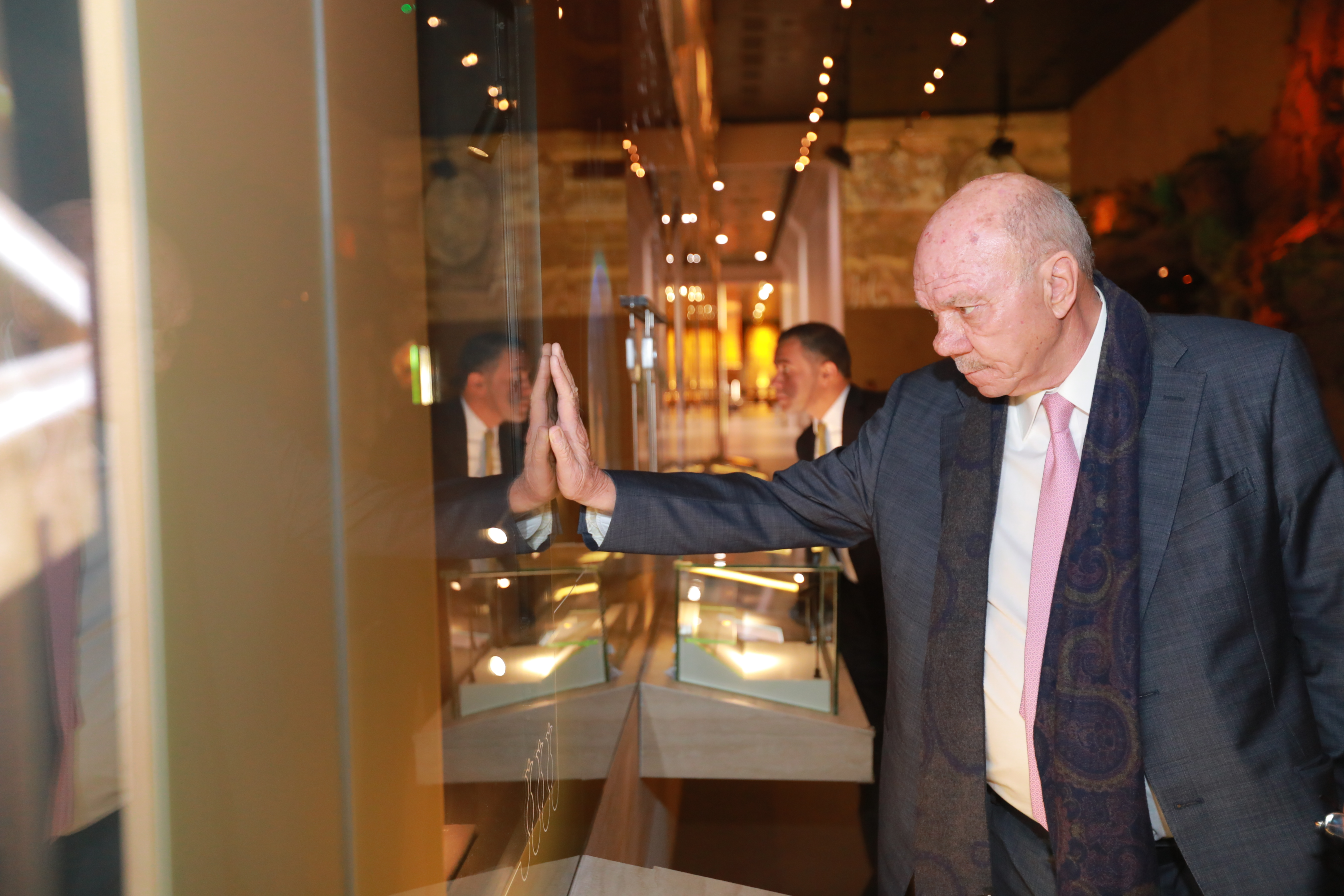
Faisal Akef Al-Fayez, Speaker of the Senate of the Hashemite Kingdom of Jordan:
“The external grandeur and inner beauty of the Center frankly amazed me. I have visited many museums, but I have never seen such a complete and unique exhibition as that of the Islamic Civilization Center. In particular, the original Uthman Mushaf preserved in the Qur’an Hall a rare treasure of the Islamic world deeply moved me. Every exhibit deserves special recognition for its historical significance. As we all know well, many great and renowned Islamic scholars, thinkers, and intellectuals were born and raised precisely on this land Uzbekistan. We, too, take pride in this on behalf of the entire Islamic world, because these scholars made an enormous contribution to the development of science, thought, and enlightenment in their time and directly influenced the European Renaissance.
Today, being in Uzbekistan, I am witnessing the country’s rapid and consistent development in all spheres. This Center, built on the initiative of His Excellency President Shavkat Mirziyoyev, is of great importance in promoting knowledge and enlightenment in the region.
Our visit also serves to further strengthen friendly relations, mutual trust, and cooperation between our two countries. Cooperation is developing consistently in political, economic, and cultural directions. Culture is especially important, as we are united by a shared Islamic culture and common values. I am confident that relations between Uzbekistan and Jordan will become even stronger in the near future and rise to a very high level.”
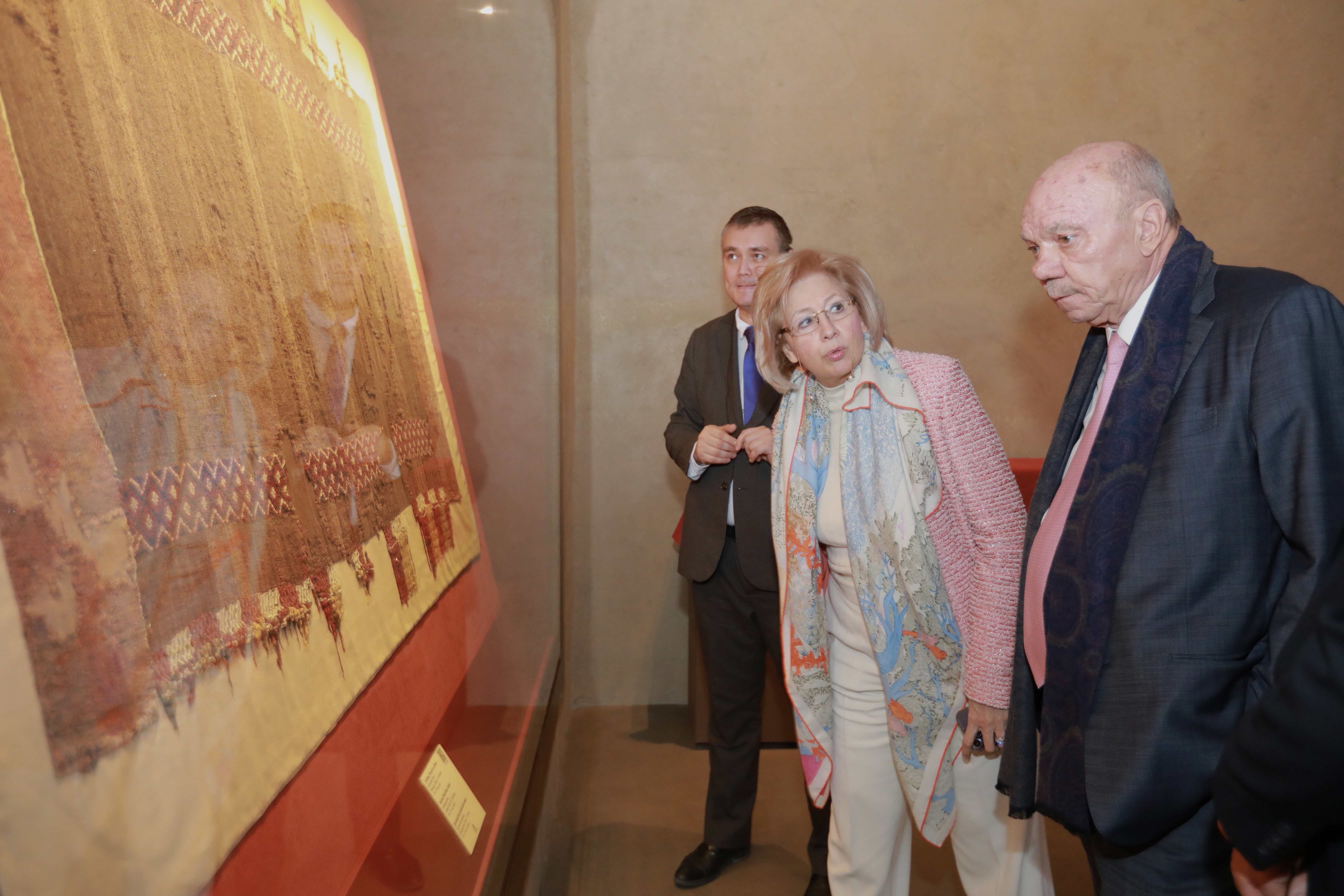
Haifa Najjar, Member of the Jordanian Senate, Chair of the Committee on Culture, Youth, and Sports:
“This is undoubtedly a great achievement for Uzbekistan and a major project implemented on the initiative of your President. Here, the past and antiquity, science, the close connection of Islam with human civilization, and a vision for the future are all vividly reflected. This Center is especially important for young people, as it fosters a sense of ownership of their history and pride in their culture and civilization. The refinement of art, creative precision, and the balance between ornamentation, imagery, and digital technologies have made this Center a truly unique place.”
Most read
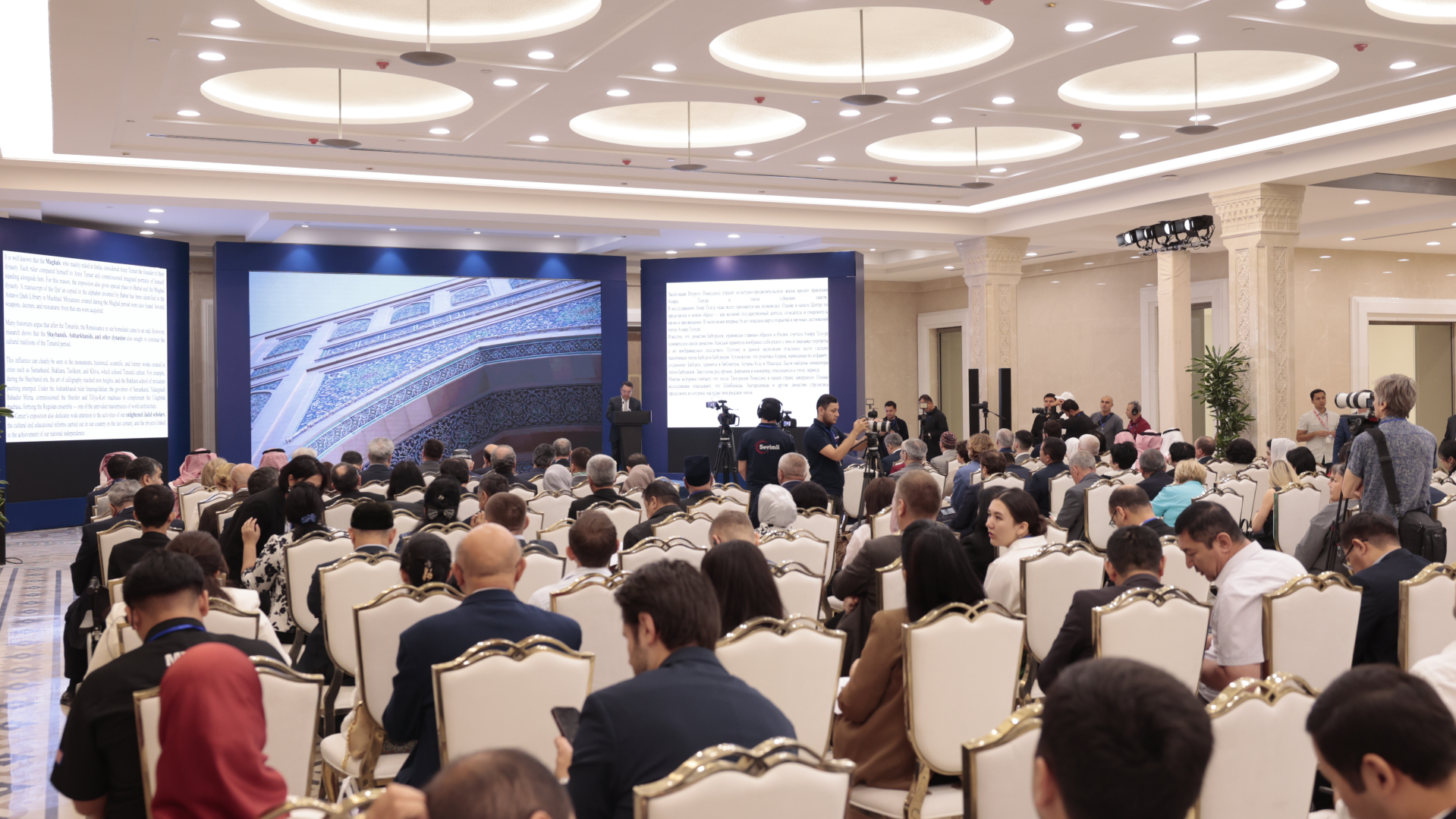
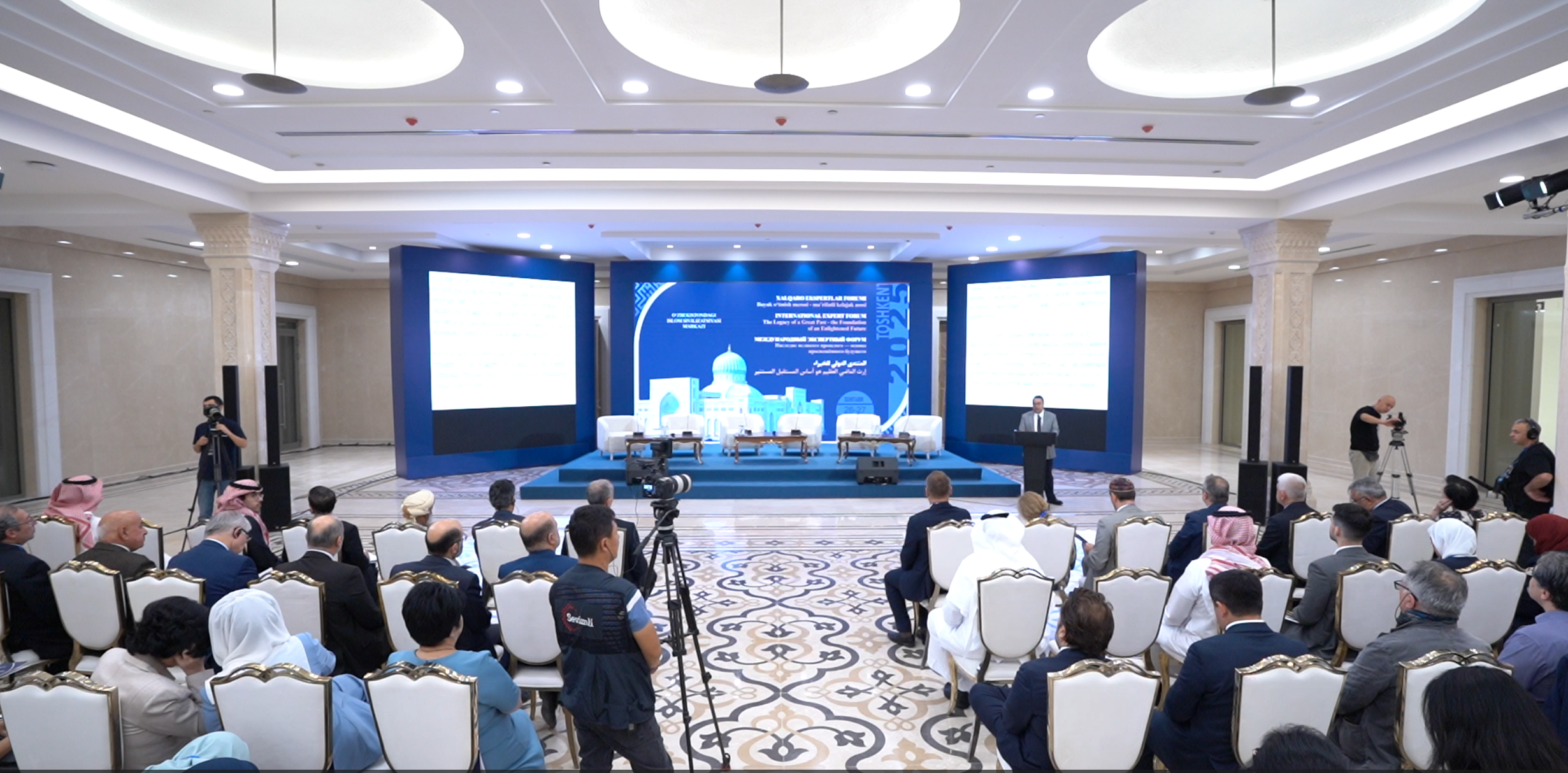
Over 100 experts from more than 20 countries of the world are in Tashkent!
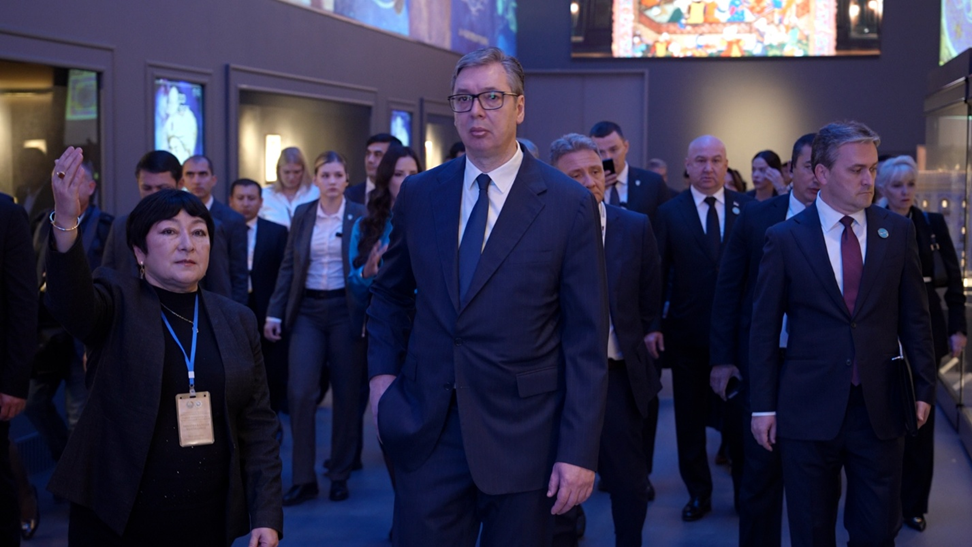
President of Serbia Aleksandar Vučić visited the Islamic Civilization Center in Uzbekistan
The Center for Islamic Civilization – a global platform leading towards enlightenment
