


A Thousand-Year Debate: The Correspondence Between Ibn Sina and al-Biruni Is Being Presented to the Public for the First Time
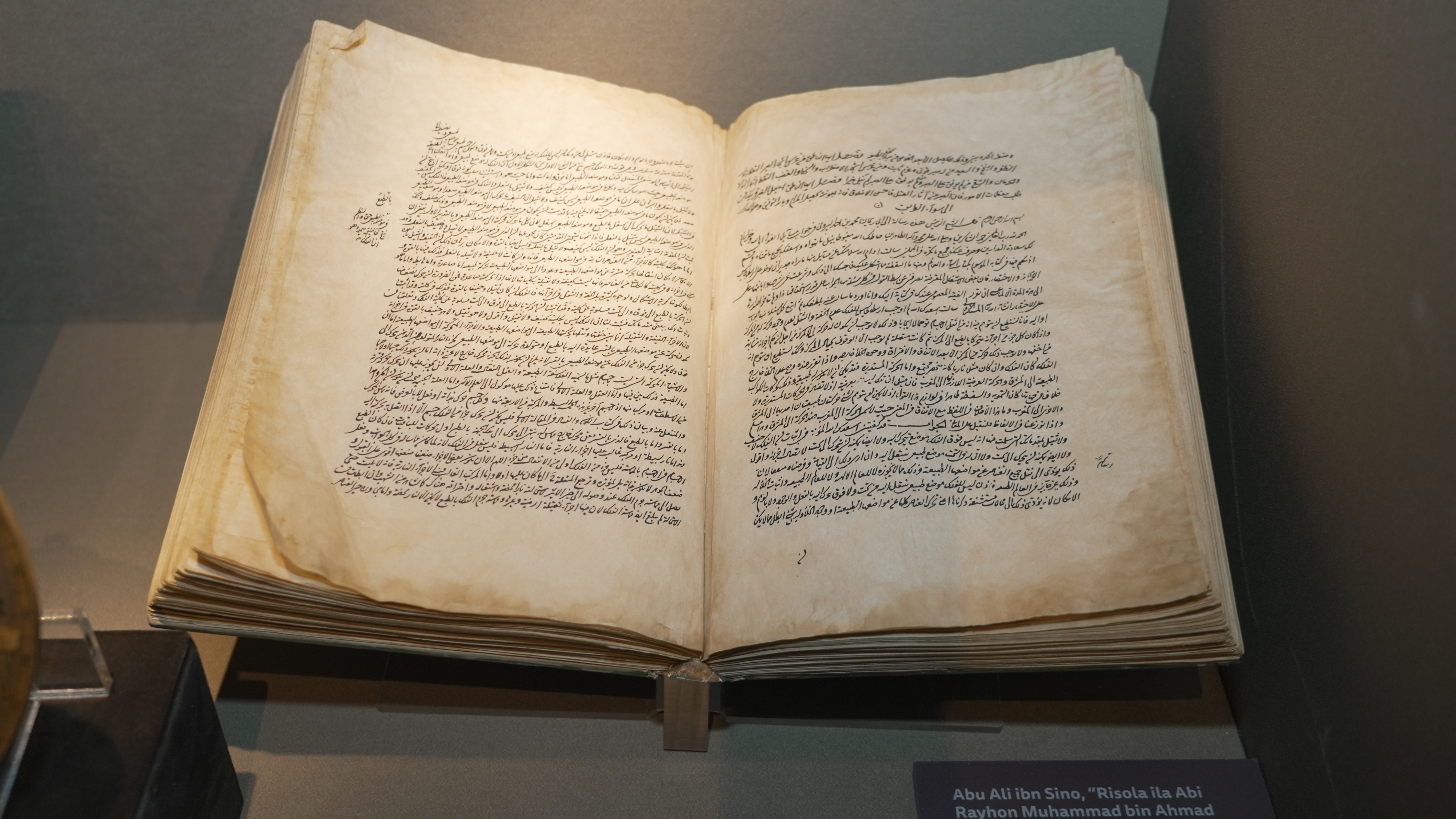
In the history of human thought, there are scholarly dialogues whose value does not diminish over centuries. The scientific exchange between two great scholars who emerged from the lands of Khwarezm and Bukhara — Abu Ali ibn Sina and Abu Rayhan al-Biruni — is one such rare spiritual and intellectual legacy. These correspondences on astronomy, physics, and philosophy not only reflect the level of scientific knowledge of their era, but also vividly demonstrate how advanced the culture of critical thinking was during the Eastern Renaissance. Today, one of these rare manuscripts, which records some of the earliest intellectual debates in the history of science, is being presented to the general public through the exhibition of the Islamic Civilization Center in Uzbekistan.
Abu Ali ibn Sina has long been recognized over the past millennium as an unparalleled figure in the history of world science. At the same time, Abu Rayhan al-Biruni achieved comparable renown through his scientific capacity, encyclopedic knowledge, and research. The renowned historian of science George Sarton even referred to the 11th century as “the Age of Biruni,” giving high praise to his role in the development of science.
These two great scholars from Khwarezm and Bukhara lived and worked during the same period. For this reason, their relationship, scholarly dialogue, and debates continue to attract the interest of researchers today. A number of academic studies have been devoted to the scientific exchanges between these two great thinkers who lived in the same century.
The scholarly correspondence conducted between Abu Ali ibn Sina and Abu Rayhan al-Biruni in the late 10th century provides valuable insights into the views formed at that time in the fields of astronomy, philosophy, and physics. In these letters, Ibn Sina gave detailed responses to the questions posed by Biruni.
According to sources, although Ibn Sina answered almost all of Biruni’s questions, Biruni objected to most of the responses, except for the sixth and eighth answers in the first part of the correspondence and the eighth answer in the second part. These objections were addressed by Abu Abdullah al-Masumi, a student of Ibn Sina, who wrote replies defending and reinforcing his teacher’s views. Al-Masumi was one of Ibn Sina’s close disciples, and the great scholar dedicated his famous work “Kitab al-Ishq” to him.
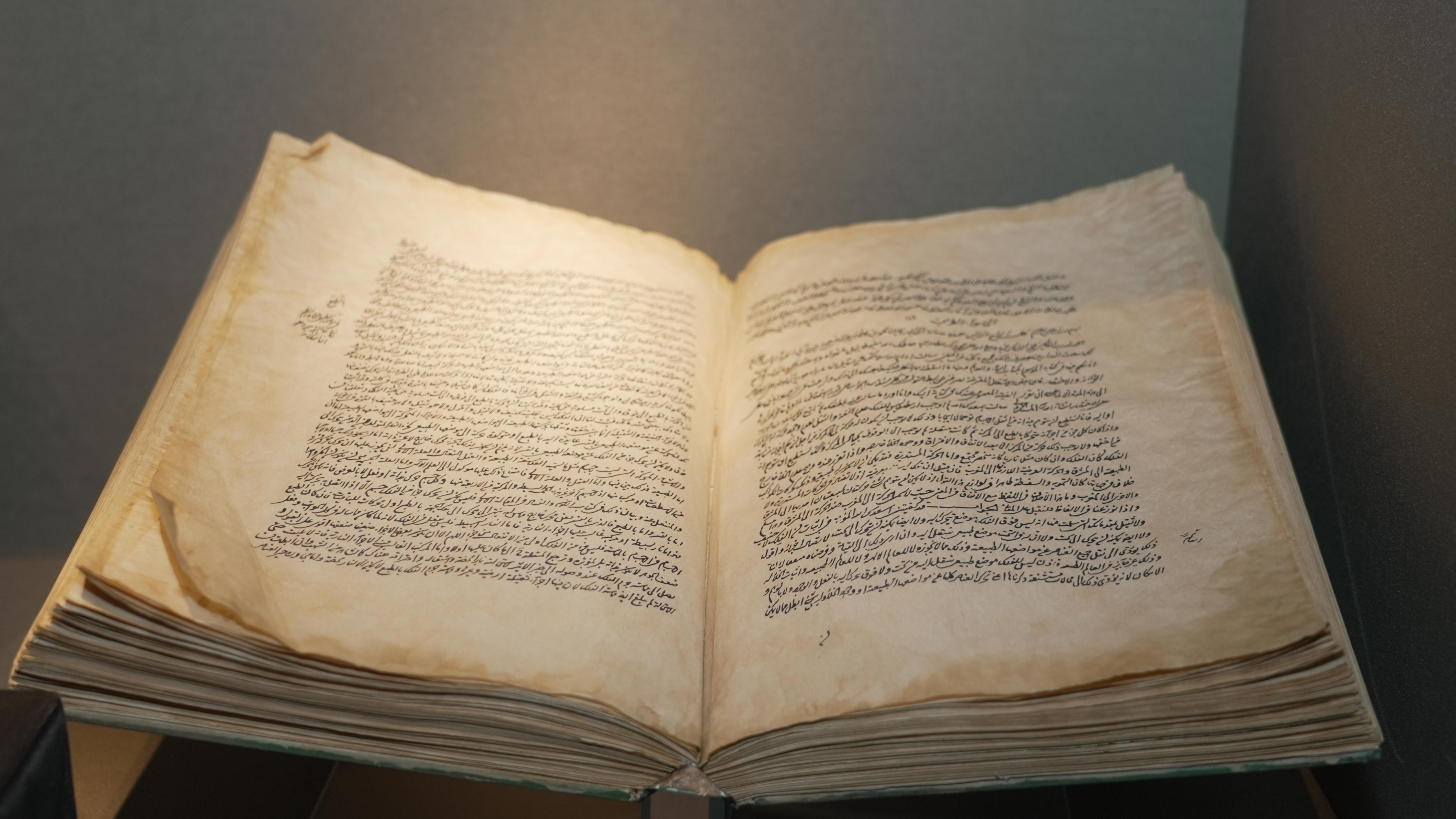
The manuscripts of these correspondences are currently preserved in various scientific foundations and libraries around the world. The treatise was first published in 1917 in Cairo in the collection “Jami‘ al-Bada‘i‘.” It was also included in the second volume of “Ibn Sina’s Treatises,” a two-volume work published by Istanbul University in 1953. In-depth scholarly study of these correspondences mainly began after the first half of the 20th century. The treatise known as “Questions and Answers of Biruni and Ibn Sina” was first published as a separate book in 1950 in Uzbek, Arabic, and Russian, and consists of a total of 18 questions and answers.
The first ten questions of the correspondence address issues related to Aristotle’s work “On the Heavens.” They discuss important topics such as the nature, movement, and eternity of the celestial sphere, the form and divisibility of bodies, and the propagation of sunlight and heat.
The remaining eight questions pertain to Aristotle’s “Physics” and include scientific problems related to the refraction of light, the expansion and contraction of bodies, the floating of ice on water, the concept of the vacuum, as well as issues concerning the Earth and natural phenomena.
These questions and answers clearly reveal the worldview, logical reasoning, and culture of scholarly debate of the two great thinkers. They demonstrate how highly developed the tradition of critical thinking and evidence-based argumentation was in Eastern science.
In the exhibition of the Islamic Civilization Center in Uzbekistan, established at the initiative of President Shavkat Mirziyoyev, these unique correspondences occupy a special place. The facsimile edition of the manuscript of the scientific correspondence between Biruni and Ibn Sina has been included in the exhibition of the First Renaissance period.
Shahnoza Rahmonova
P.S. The article may be republished with a link to the Center’s official website
Most read
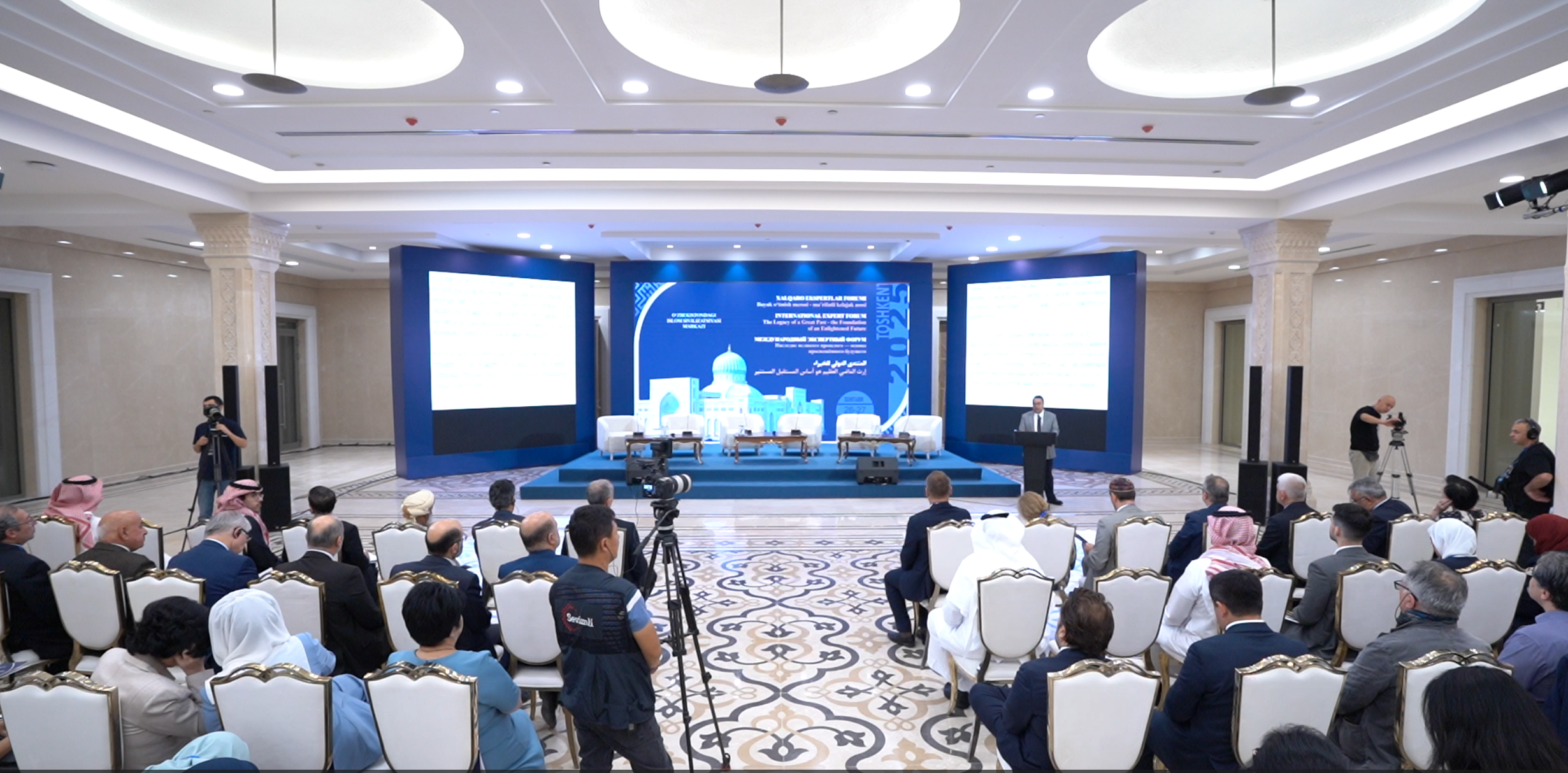
Over 100 experts from more than 20 countries of the world are in Tashkent!
President of Serbia Aleksandar Vučić visited the Islamic Civilization Center in Uzbekistan
The Center for Islamic Civilization – a global platform leading towards enlightenment
