


How was the state structured in Central Asia?

In the history of Central Asia, the period of the Khanates that ruled from the 16th century to the late 19th century represents not merely a historical era, but a comprehensive school of civilization. The construction of bazaars, madrasas, and dams formed the foundations of development during the khanate period. At the exposition of the Islamic Civilization Center in Uzbekistan, established on the initiative and under the authorship of President Shavkat Mirziyoyev, visitors have the opportunity to become acquainted with this historical process in a separate and detailed manner.
In the history of Central Asia, the period of the Khanates that dominated from the 16th century to the late 19th century (the Shaybanids, Ashtarkhanids, Manghits, Kungrats, and the Ming dynasty) appears not only as a stage of political governance, but also as a large-scale civilizational process encompassing all spheres of social life. In particular, during the rule of the Shaybanid dynasty, state administration, science, urban development, and trade evolved in close interconnection. During this time, the khanate took shape as a well-developed socio-economic system.
The most vivid expression of these historical processes can be observed during the reign of one of the most prominent and influential rulers of the Shaybanid dynasty — Abdullakhan II. In his era, the concept of civilization was not limited to culture alone, but developed as an integrated system encompassing science, construction, urban planning, trade, and water management.
During the reign of Abdullakhan II, science and enlightenment became priority directions of state policy. Madrasas were constructed by order of the ruler, existing educational institutions were renovated, and mosques as well as religious and educational buildings were erected. This reflected the high respect accorded to scholars and bearers of knowledge in society.
Abdullakhan II paid special attention to the capital city of Bukhara. Urban improvement, restoration, and new construction projects were carried out systematically. The city of Samarkand also received attention, with construction activities undertaken there as well. Other major cities were likewise restored and revitalized.
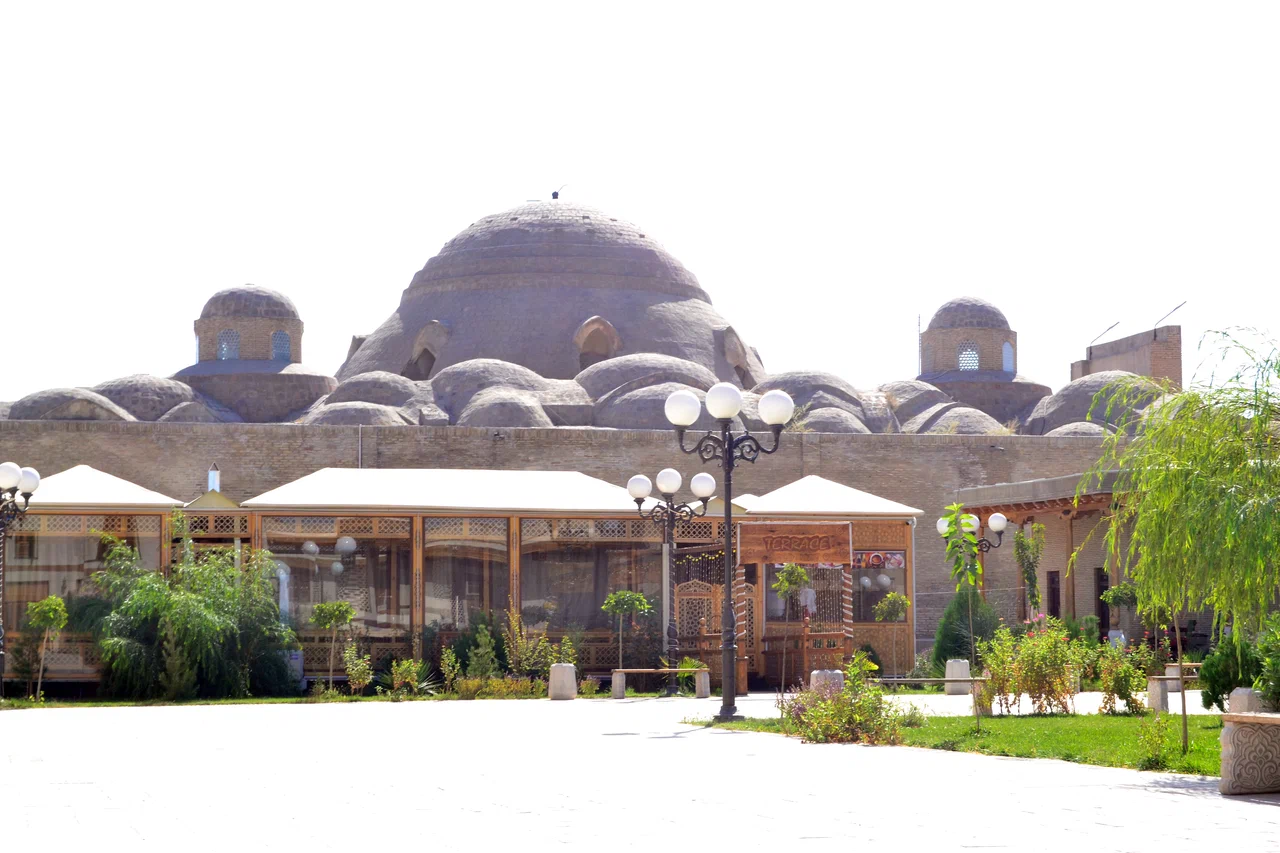
During this period, the Abdullakhan II Tim was built in Bukhara. It is the only covered market in Central Asia, enabling uninterrupted trade throughout the year. In addition, seven trade domes were constructed in the city, each operating on the basis of specific specialization.
For example, Toki Sarrafon functioned as a currency exchange center, allowing merchants arriving from various regions to legally exchange their currencies. Toki Telpakfurushon specialized in the trade of headwear, while Toki Zargaron focused on the sale of jewelry. Such orderly and specialized organization of markets demonstrates the high level of development of commercial culture.

One of these trading complexes, Toki Zargaron, is today a well-known tourist site in Bukhara under the name “Abdullakhan Market.” It primarily houses stalls selling souvenirs, antiques, household items, clothing, coins, jewelry, figurines, carpets, books, musical instruments, paintings, and other traditional handicrafts. The market building is located in the historical center of Bukhara, next to the Abdulaziz Khan Madrasa, 50 meters east of the Poi-Kalyan ensemble.
The external decorations and inscriptions of the building have not survived to the present day. Until the mid-20th century, it functioned as an ordinary market selling everyday goods, which made it one of Bukhara’s main covered bazaars. The covered market building was constructed in a traditional Persian style and is comparable to similar traditional covered markets in ancient Iranian cities such as Tehran, Isfahan, Shiraz, Tabriz, and Mashhad.
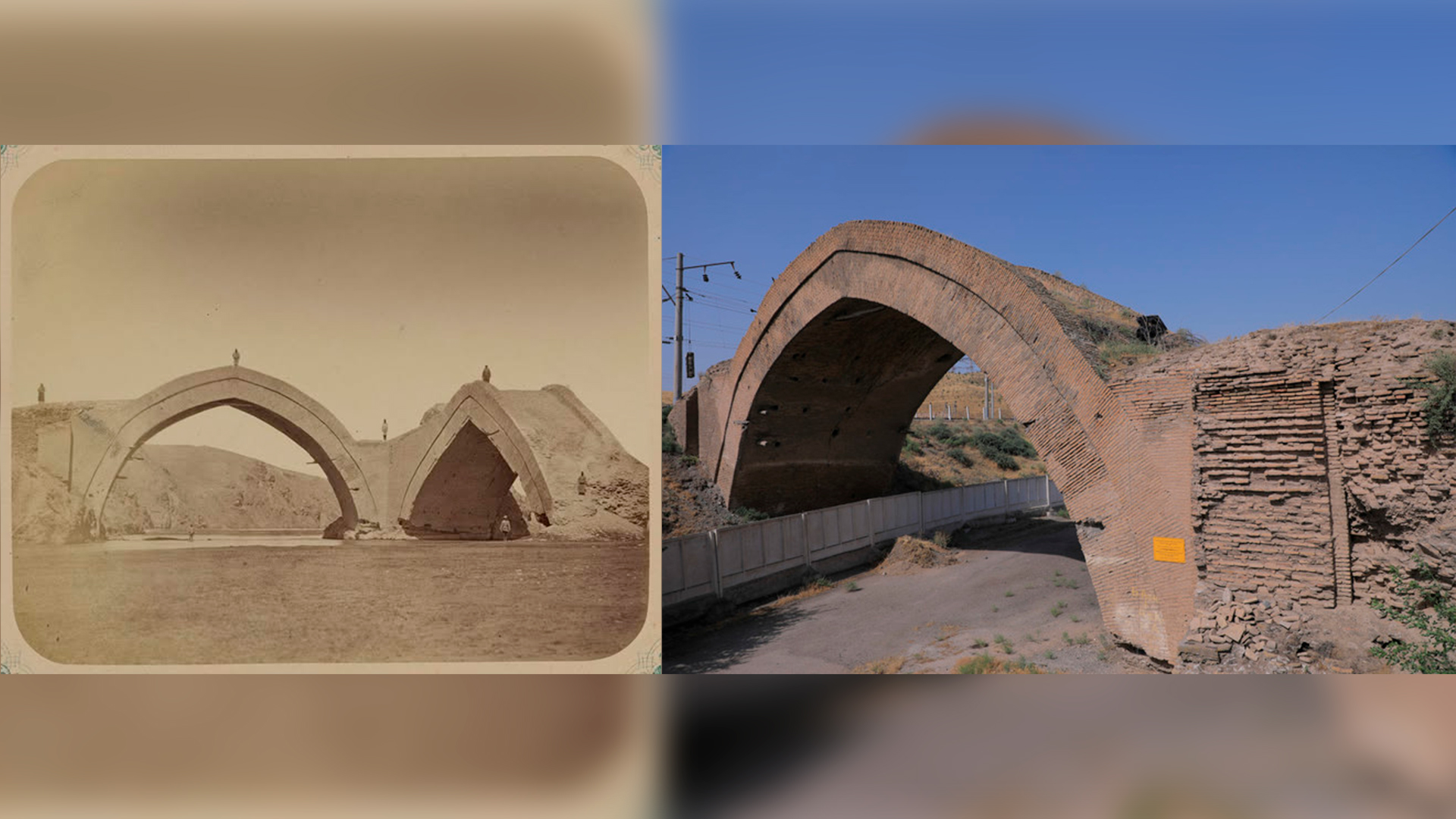
In the activities of Abdullakhan II, special attention was also paid to agriculture and livestock breeding. In particular, the management of water resources was one of the key issues addressed at the state level. When residents of the Nurata region appealed due to water shortages, a special reservoir was constructed on the ruler’s initiative.
This structure, known in history as the Abdullakhan II Dam, played a significant role in supplying water to the farmers of Nurata during the summer season. According to sources, the reservoir served the local population for nearly 300 years. By regulating water flow, the structure also helped prevent floods and various disasters.
Scientific research was conducted at this site by the renowned archaeologist Yahya Ghulamov. The studies revealed that the materials used in the construction of the dam were exceptionally durable and represented an advanced engineering solution for their time. This fact has also been acknowledged by foreign, including European, scholars.
Dilnoza Jamalova, Doctor of Historical Sciences, Professor:
“During the era of Abdullakhan II, civilization developed not in a single direction, but through the harmony of science, urban planning, trade, and water management. In particular, the Abdullakhan II Dam vividly demonstrates the engineering thought of its time and a state policy grounded in the needs of the population.”
Today, this historical process is presented in the Khanates section of the Islamic Civilization Center in Uzbekistan through an exposition that reveals the civilization of the Shaybanid dynasty, especially the era of Abdullakhan II. It forms a comprehensive understanding among visitors of the scientific, economic, and engineering potential of that period.
Guzal Beknazarova
P.S. The article may be republished with a link to the Center’s official website
Most read
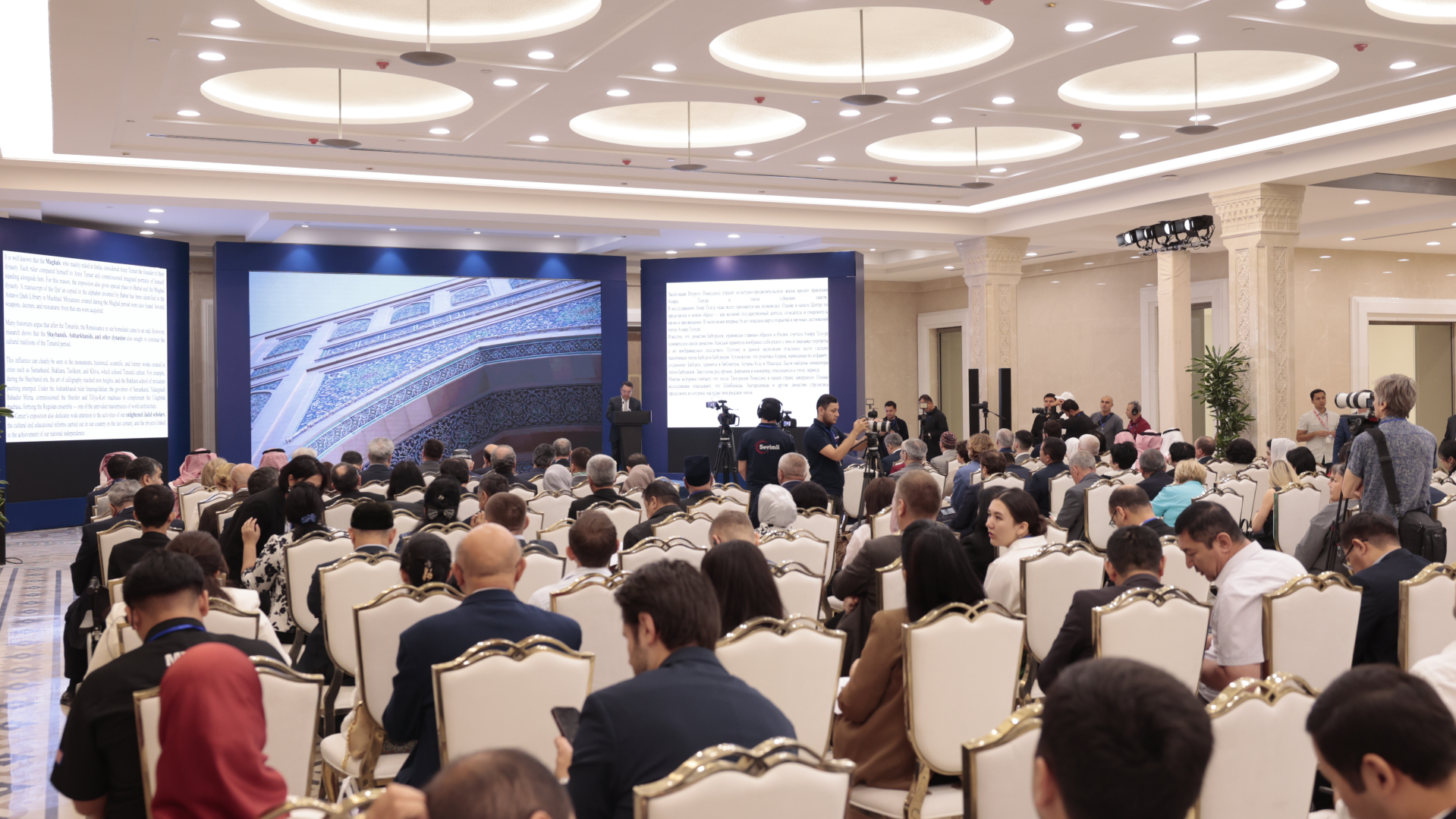
Over 100 experts from more than 20 countries of the world are in Tashkent!
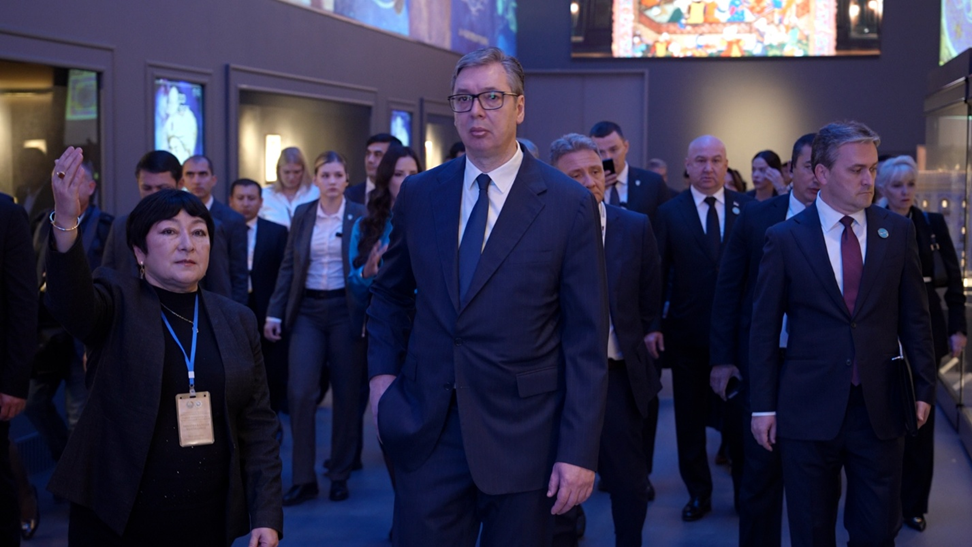
President of Serbia Aleksandar Vučić visited the Islamic Civilization Center in Uzbekistan
The Center for Islamic Civilization – a global platform leading towards enlightenment
