


A facsimile of the Timurid Qur’an preserved in Iran is now in Uzbekistan!
In the New Uzbekistan, the preservation of national and Islamic heritage, its scholarly study, and its достой presentation to the global community have been elevated to the level of state policy. In pursuit of this noble goal, the Islamic Civilization Center in Uzbekistan, built on the initiative of the President, serves not only to preserve historical memory, but also to revive it in a modern scholarly and educational context.
At the initiative of the Center, large-scale efforts are underway to search for, study, and create facsimile copies of rare manuscripts related to the history and spirituality of our country.
In this regard, the project “114 Qur’an Manuscripts Related to Uzbekistan,” implemented by the World Society for the Study, Preservation and Popularization of the Cultural Legacy of Uzbekistan (WOSCU), is of particular significance. Within the framework of the project, 114 rare Qur’an manuscripts preserved in various countries of the world and closely connected with the history of Uzbekistan were selected, and on their basis a symbolically meaningful facsimile Qur’an was published. This initiative is unique in that it embodies the spiritual harmony of the 114 surahs of the Holy Qur’an.
Within this project, Qur’an manuscripts copied during the Timurid period occupy a special place, particularly the Qur’an of Ibrahim Sultan. Ibrahim Sultan was the grandson of Sahibqiran Amir Temur and the son of Shah Rukh Mirza, and he is remembered in history not only as a statesman, but also as a major patron of science, literature, and art.

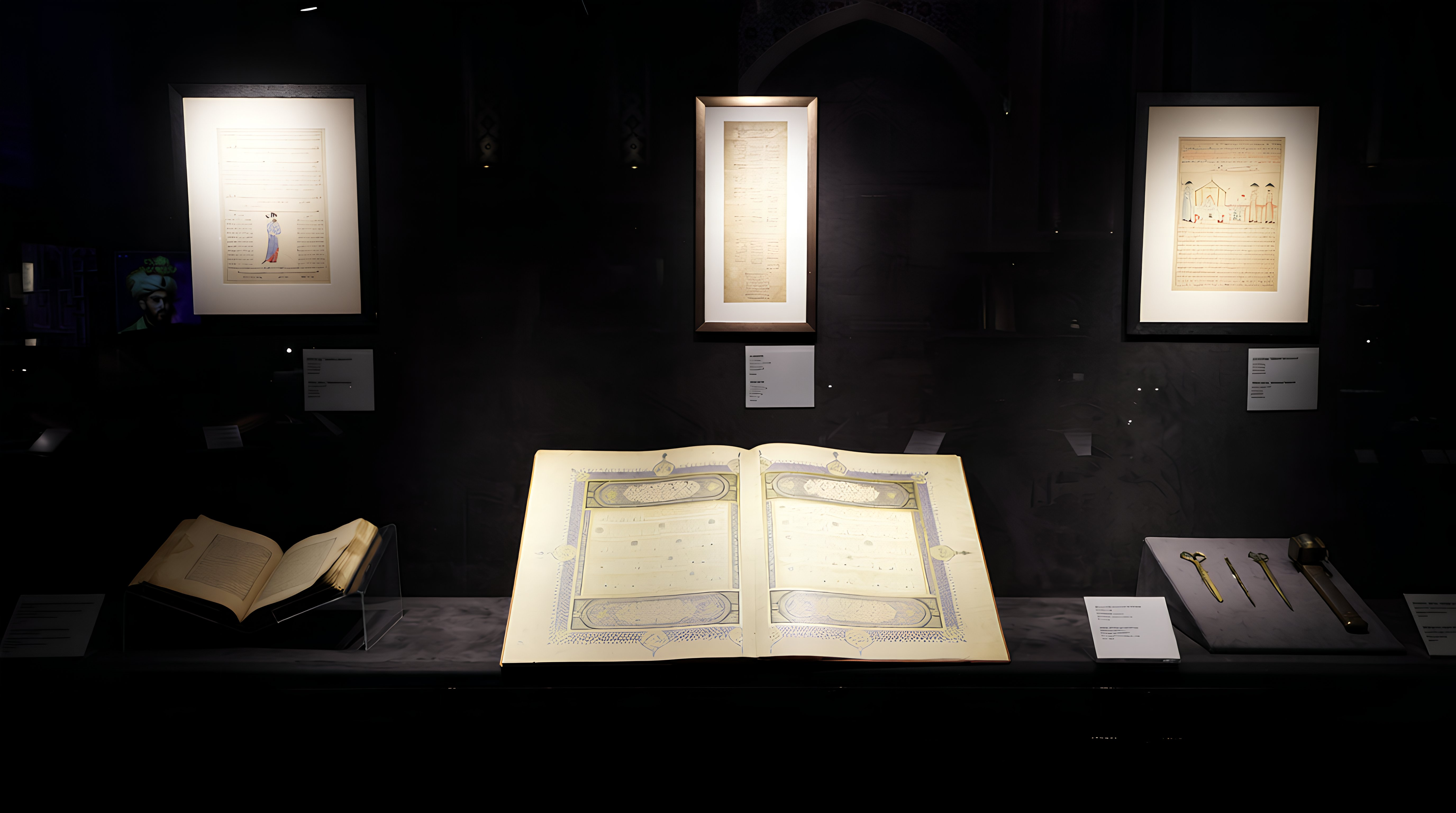
The Holy Qur’an copied by Ibrahim Sultan. 15th century. Muhaqqaq script, facsimile. Donation of the National Library of Iran.
According to sources, Ibrahim Sultan, continuing the traditions of Amir Temur and Shah Rukh Mirza, supported scholars, poets, calligraphers, and artists. Valuable information about these processes can be found in the works of Dawlatshah Samarkandi, Mirkhond, Fasih Khawafi, and Abdurazzaq Samarkandi.
At the court of Ibrahim Sultan, rare works such as Ferdowsi’s Shahnameh, Nizami’s Iskandarnama, Jalal al-Din Rumi’s Masnavi-yi Ma‘navi, Shaykh Sa‘di’s Kulliyat, and Sharaf al-Din Ali Yazdi’s Zafarnama were copied. On his initiative, sources related to the science of hadith, including Imam Bukhari’s Al-Jami‘ al-Sahih, were also recopied.
“One of the Qur’an manuscripts penned by Ibrahim Sultan was copied in Ramadan of the year 830 AH (1427) and is currently preserved in the collection of the Metropolitan Museum of Art in New York. This mushaf is recognized as one of the rarest examples of Timurid-era book art,” said Doctor of Philological Sciences, Professor Aftondil Erkinov.
This Qur’an, consisting of two volumes, is written in very fine naskh script, with ten lines on each page. The text is ornamented in gold and blue, with verses marked by gilded medallions. The binding of the manuscript is made of dark red leather, and its interior decoration stands out for its high artistic craftsmanship.
In recent years, extensive scholarly and technical work has been carried out to create a complete facsimile edition of this rare mushaf. Each page was digitized at high resolution, and the script style, colors, paper texture, and page sequence were scientifically reconstructed. As a result, a perfect facsimile edition of the Qur’an of Ibrahim Sultan was produced.
Durdona Rasulova
P.S. The article may be republished with a link to the official website of the Center
Most read
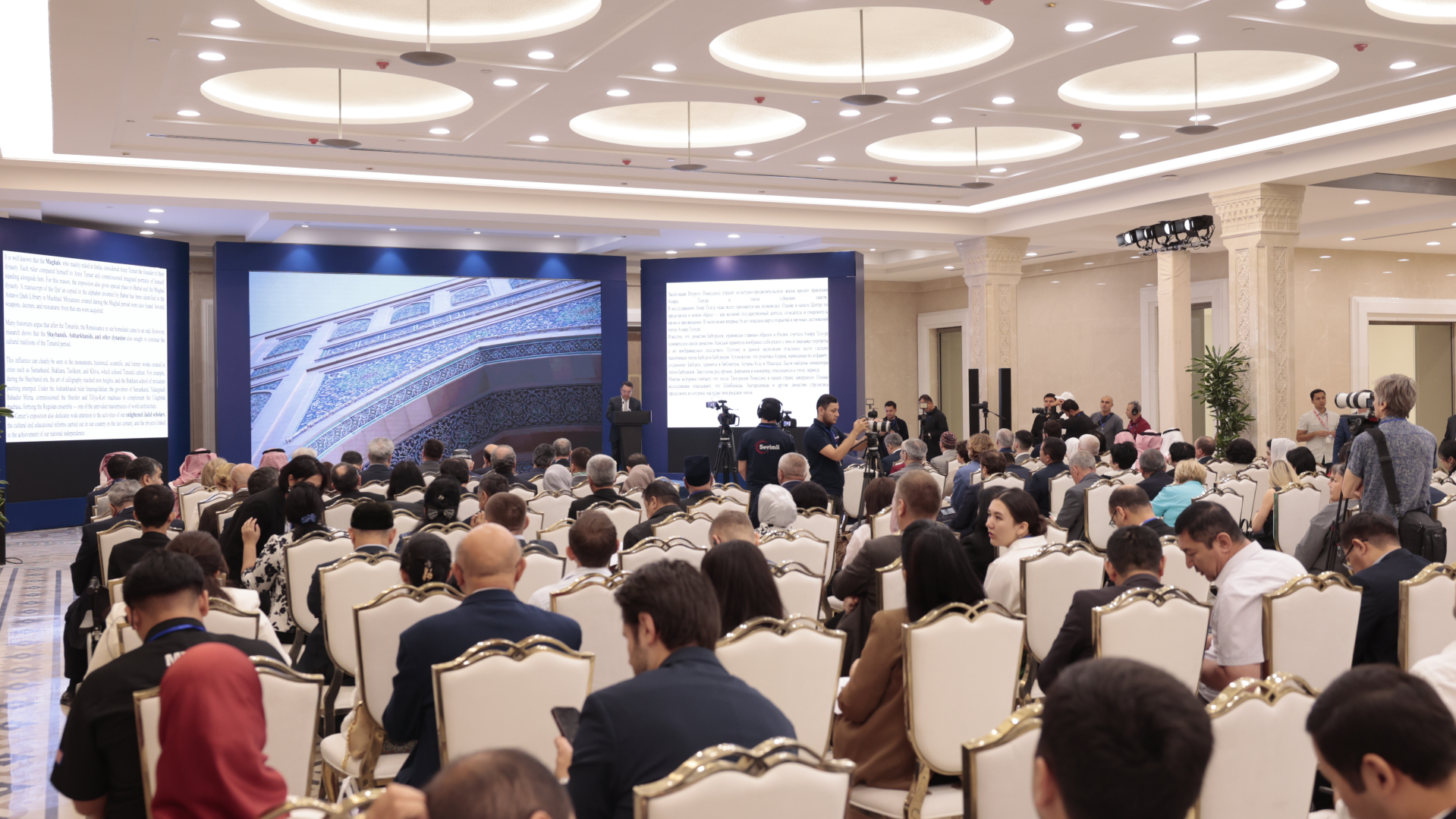
Over 100 experts from more than 20 countries of the world are in Tashkent!

President of Serbia Aleksandar Vučić visited the Islamic Civilization Center in Uzbekistan
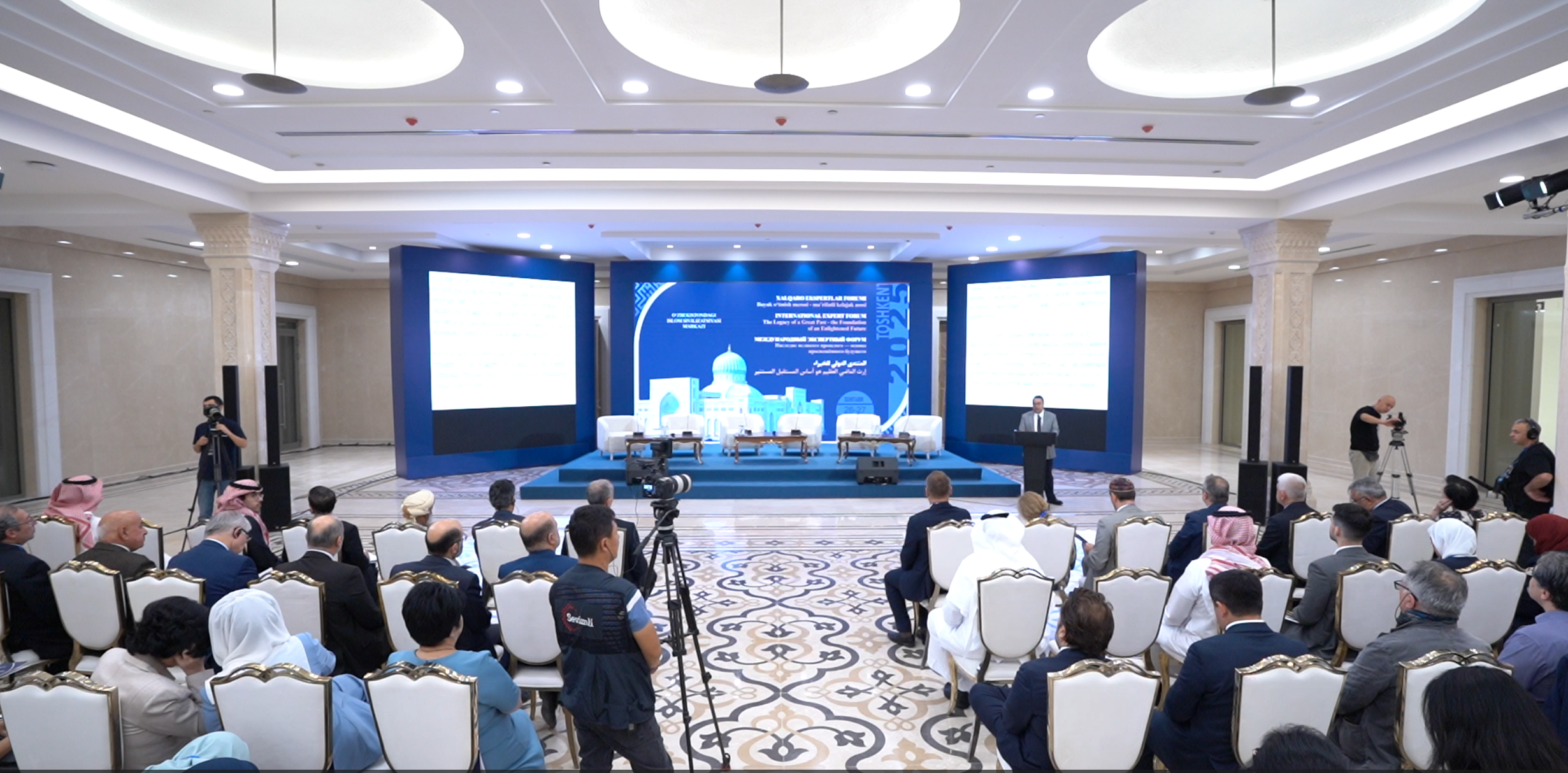
The Center for Islamic Civilization – a global platform leading towards enlightenment
