


In the exhibition, a sacred symbol - the Mahmal evokes the unforgettable pages of the Hajj pilgrimage

Sacred coverings taken to the Kaaba, gifts from sultans, and the Mahmal an emblem of the ceremonial Hajj caravans were for centuries among the sacred traditions that united the Islamic world.
Today, this unique historical symbol is displayed in the museum exposition of the Islamic Civilization Center in Uzbekistan, evoking the unforgettable pages of the Hajj ritual.
One of the most important and sacred symbols in Islamic history closely associated with the Hajj ritual the Mahmal holds a special place in the museum exposition of the Islamic Civilization Center in Uzbekistan. Considered one of the rarest exhibits, the Mahmal was a special palanquin-like structure covered with an ornate cloth, originally intended for transporting the kiswah (the covering of the Kaaba) or, in certain periods, high-ranking women. The Mahmal was usually mounted on a camel and traveled together with Hajj caravans heading toward Mecca.

A special palanquin covered with an ornate cloth for transporting the kiswah
1836
The term Mahmal (Arabic: مَحْمَل, maḥmal) derives from the Arabic word ḥaml, meaning “to carry” or “to transport.” It consisted of a wooden frame with a pointed roof, designed to fit on a camel, and was wrapped in a ceremonial textile covering sitr decorated with intricate patterns. These coverings were sometimes also referred to as the kiswah or sitr al-mahmal.
The earliest known coverings from the Mamluk period were yellow in color; later, red and green examples became widespread. These textiles were finely embroidered with the sultan’s tughrā and verses from the Holy Qur’an.
According to historical sources, the first Mahmal was sent by the Egyptian Sultan Baybars between 1260 and 1277. In subsequent centuries, Mahmals were also dispatched from Istanbul, Cairo, Damascus, Yemen, Hyderabad, Darfur, and the territories of the Timurid Empire. Although the main route of the Egyptian Hajj caravan began in Cairo, from the late 14th century onward, a separate caravan with its own Mahmal also departed annually from the city of Asyut.
The arrival of the Mahmal in Mecca was regarded as a major religious event. Local residents and pilgrims gathered to witness it. Before entering the city, the plain cloths used during the journey were replaced with colorful, ornate kiswahs.
Sources also note that Mahmals arriving from different countries competed for the most honorable place in front of the Kaaba. There was a widespread belief that a Mahmal returning from Mecca brought blessings; people considered it a virtuous act to touch it or briefly place their scarves inside it.
There are various views regarding the origins of the Mahmal tradition. The Turkish traveler Evliya Çelebi wrote that early Mahmals carried relics of the Prophet Muhammad (peace be upon him) such as his footwear, garments, and bowl and that the Mahmal symbolically represented the Prophet’s tomb. According to another theory, the first Mamluk sultan, Shajar al-Durr, performed the Hajj in a colorful palanquin, and after her death, the tradition continued in the form of an empty palanquin.
Sources also differ regarding what was placed inside the Mahmal. Some state that it was completely empty, while others claim that a copy of the Qur’an or a book of supplications was kept inside. A source from 1575 mentions a Mahmal carrying a Qur’an written in gold letters. Travelers of the 19th century noted that copies of the Qur’an were sometimes not placed inside the Mahmal but instead fastened to its exterior in special precious cases.
Ibrohim Usmonov, Doctor of Philosophy in History, states:
“In different periods, coverings for the Kaaba were sent to the Hijaz region via the Mahmal from lands such as Iraq, Egypt, Syria, Yemen, and Turkey. Along with these caravans, gifts allocated by kings and sultans were also sent and distributed among the populations of Jerusalem, Medina, and Mecca.
Historically, Egypt was the state that sent the largest number of Kaaba coverings via the Mahmal. For approximately seven centuries, kiswahs produced in this land were sent to Mecca. In the 20th century, after special factories for producing the kiswah were established in Saudi Arabia, the tradition of transporting it via the Mahmal became part of historical heritage.”
Today, the Mahmal remains firmly etched in history as one of the most important sacred and symbolic emblems of the Hajj ritual. The Mahmal created in 1836 by order of Sultan Mahmud II and currently displayed in the exposition of the Islamic Civilization Center in Uzbekistan stands as a rare historical testimony reflecting the ancient traditions of the Hajj.
Shahnoza Rahmonova
P.S. The article may be republished with a link to the Center’s official website
Most read
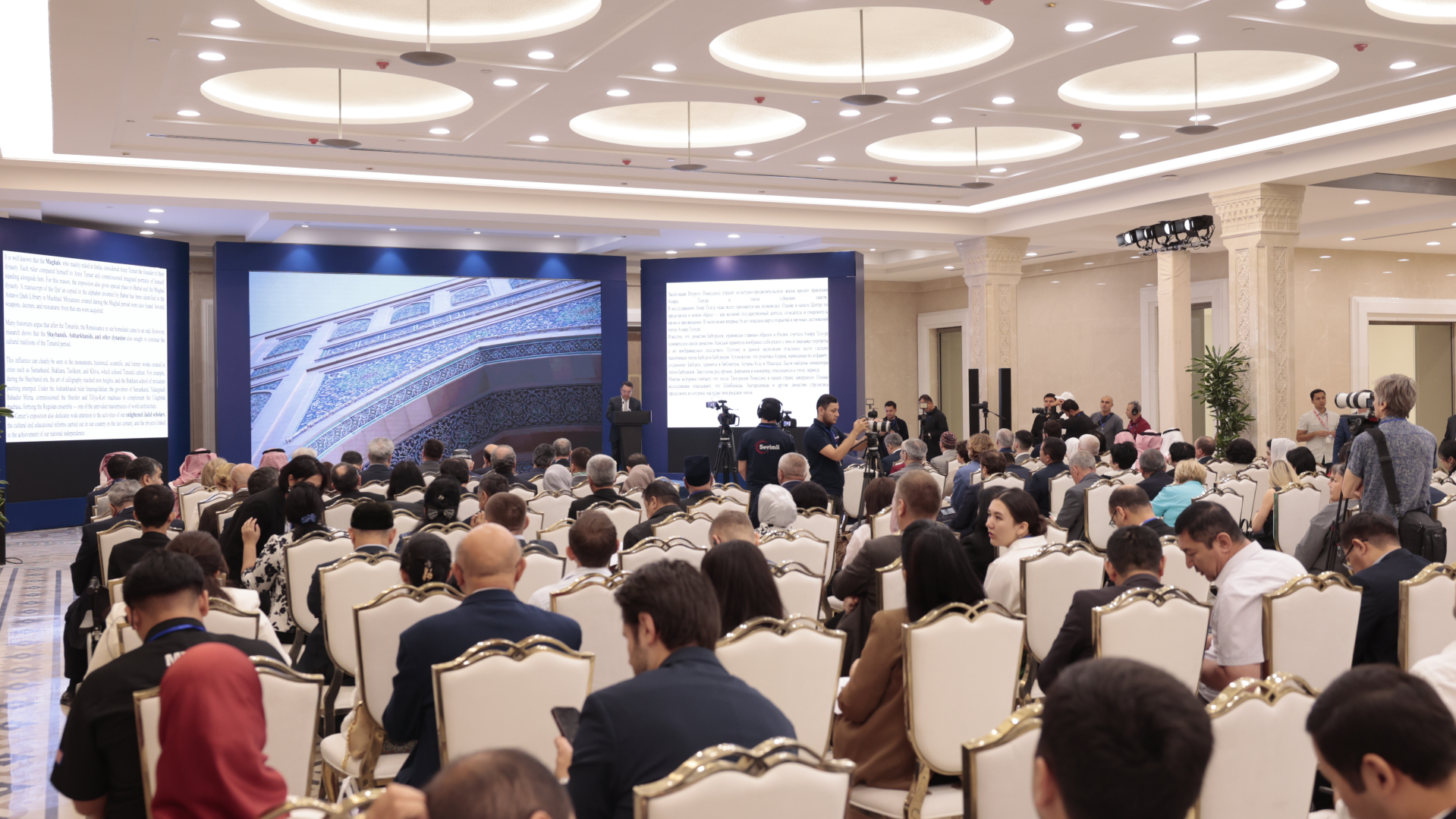
Over 100 experts from more than 20 countries of the world are in Tashkent!
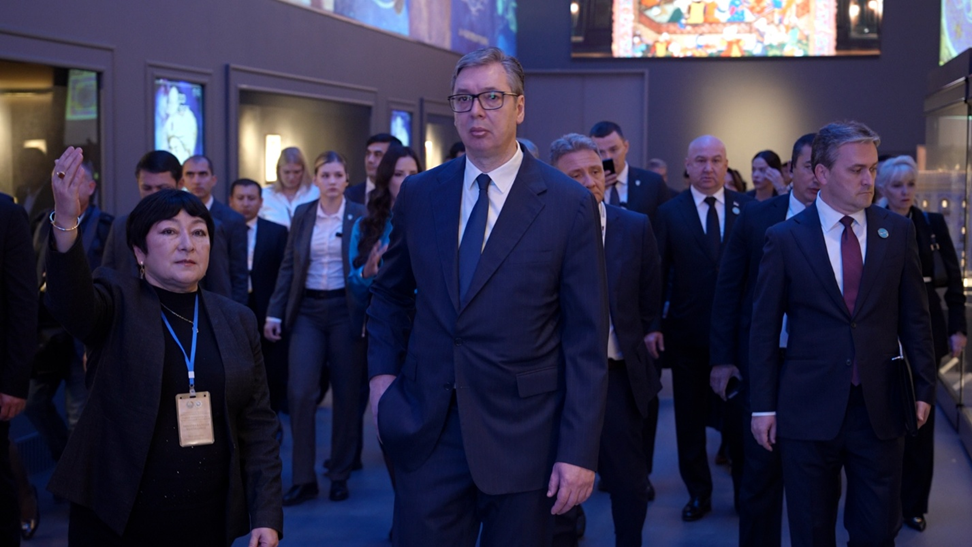
President of Serbia Aleksandar Vučić visited the Islamic Civilization Center in Uzbekistan
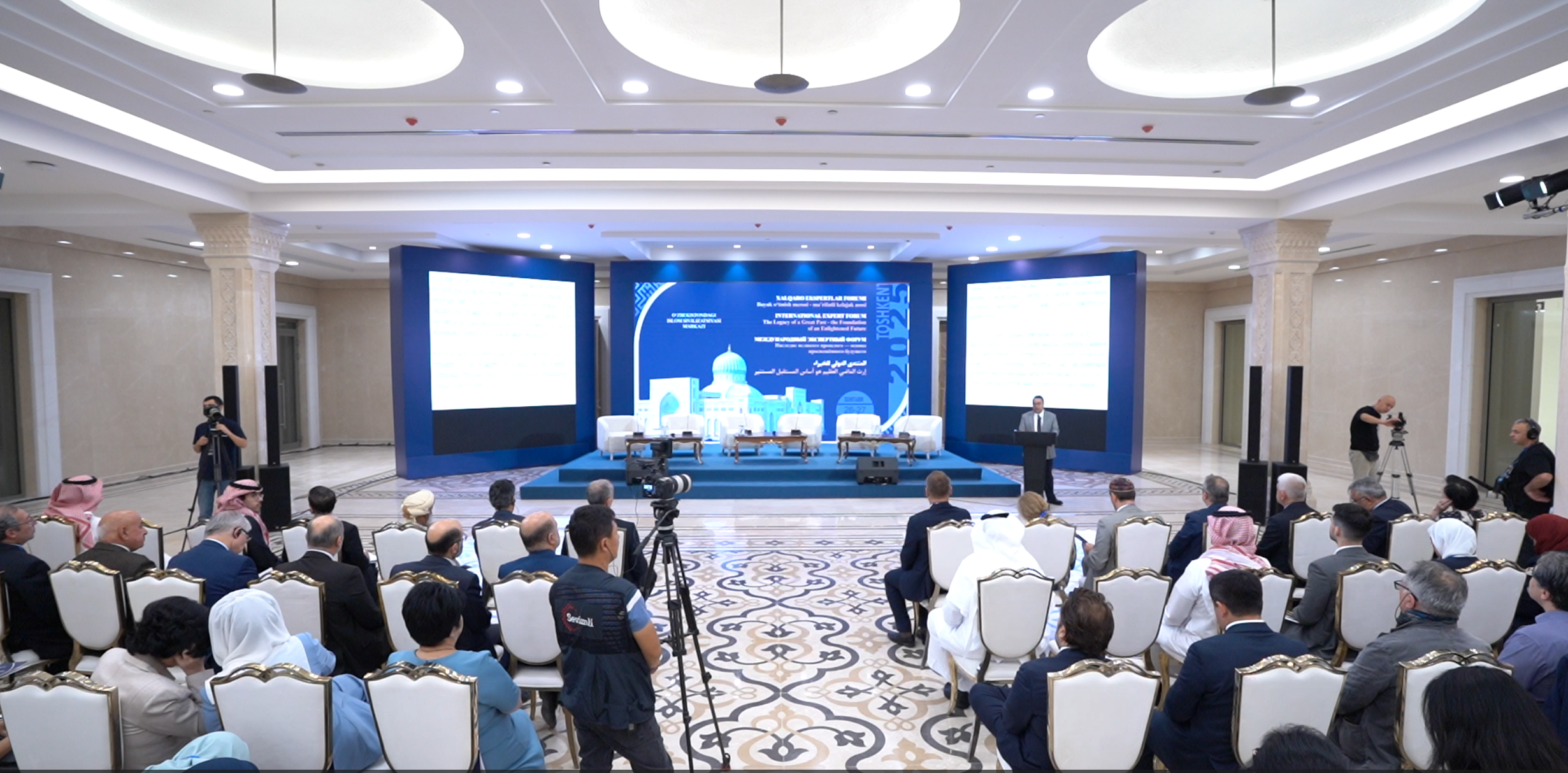
The Center for Islamic Civilization – a global platform leading towards enlightenment
