


The rare Katta Langar Qur’an manuscript has been fully restored for the first time and presented in a facsimile edition
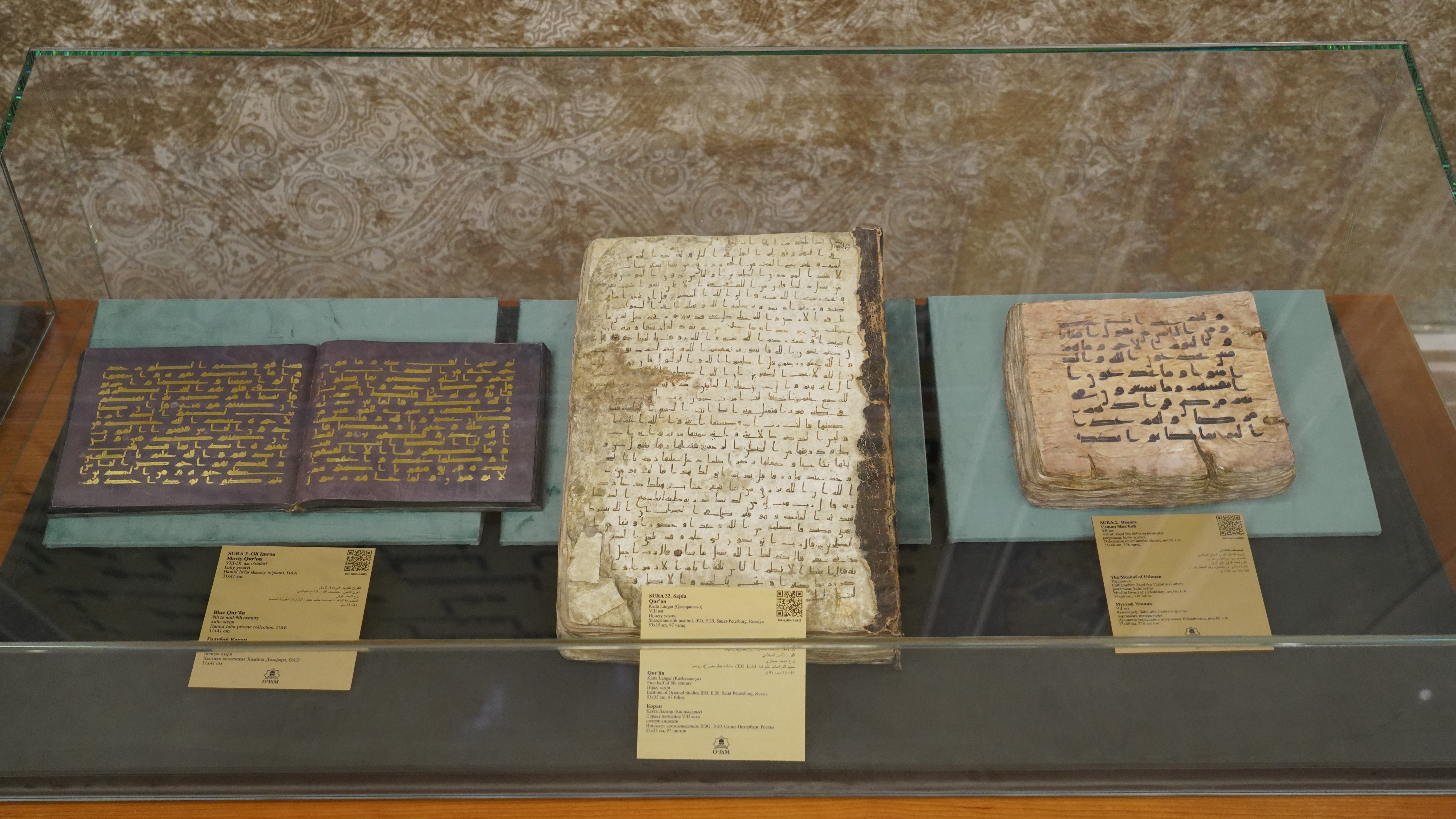
In recent years, the restoration of historical memory, the preservation of spiritual heritage, and its scholarly study have been elevated to the level of state policy in Uzbekistan. As a result of these noble efforts, one of the oldest and rarest written sources in the Islamic world the Katta Langar Qur’an has for the first time been fully studied in academic terms, its scattered pages brought together, and presented to the global public as a facsimile edition. The revival of this manuscript is of immense significance not only for history but also for the spiritual life of the nation.
The large-scale reforms implemented in Uzbekistan in recent years have ushered in a new phase aimed at restoring historical heritage, elevating national spirituality, and preserving educational values.
At the initiative of President Shavkat Mirziyoyev, the search for ancient written sources, their preservation, research, and popularization have become one of the priority directions of national policy.
Within the framework of these important initiatives, comprehensive research was carried out on the Katta Langar Qur’an, which occupies a special place among Qur’anic manuscripts worldwide; its scattered pages were scientifically assembled, and a facsimile edition was prepared.
The Katta Langar Qur’an is a rare written source shaped over centuries, encompassing various historical events and destinies. Originally created as a single manuscript, this Qur’an later became dispersed across different countries and centers. Therefore, each of its pages embodies a distinct history, journey, and fate.
For nearly a thousand years, these pages were passed down from generation to generation as a sacred trust. Lost in some periods and rediscovered by chance in others, these leaves are regarded not only as religious artifacts but also as historical evidence reflecting the spiritual life of the people, Islamic culture, and intellectual connections between civilizations.
The manuscript is written in the Hijazi script on parchment made from calfskin. This style is considered one of the oldest and rarest directions in the history of Islamic calligraphy. Radiocarbon analyses conducted in 2000 at the University of Groningen in the Netherlands scientifically confirmed that the pages date to 975-995 CE. These results conclusively substantiated the authenticity and historical value of the manuscript.
The name “Katta Langar” is not accidental. The village of Katta Langar, located in the Qamashi district of the Kashkadarya region, was for centuries an important spiritual center where the sheikhs of the Ishqiya order were active. The area contains shrines, mosques, and mausoleums that played a significant role in religious and educational life.
As a result of historical processes, a large portion of the manuscript was removed from the Turkestan region by the Russian Empire in the late nineteenth and early twentieth centuries. Today, 81 pages of the Katta Langar Qur’an are preserved in Saint Petersburg, while 17 pages are kept in Tashkent, Bukhara, and Samarkand.

In recent years, specialists of the World Society for the Study, Preservation and Promotion of the Cultural Legacy of Uzbekistan (WOSCU) searched for and studied these pages over an eight-year period, reassembling them in accordance with the order of the surahs. As a result, the first complete facsimile edition of the manuscript was produced.
In the facsimile edition, the color, script style, defects, and even historical corrections of each page have been restored as closely as possible to the original. In addition, the inclusion of an Uzbek translation further enhanced the educational value of the publication.
In November 2022, within the framework of President Shavkat Mirziyoyev’s official visit to France, the restored pages of the Katta Langar Qur’an were presented to the global public at the “Wonders of the Oases of Uzbekistan” exhibition held at the Louvre Museum. This event further elevated Uzbekistan’s cultural and spiritual prestige on the international stage.
According to experts, this manuscript is an invaluable source for history, calligraphy, Qur’anic exegesis, book studies, archaeology, and cultural anthropology. The restoration of the Katta Langar Qur’an is a practical step toward strengthening national identity, reinforcing historical memory, and leaving a spiritual legacy for future generations.
Durdona Rasulova
P.S. The article may be republished with a reference and link to the Center’s official website.
Most read
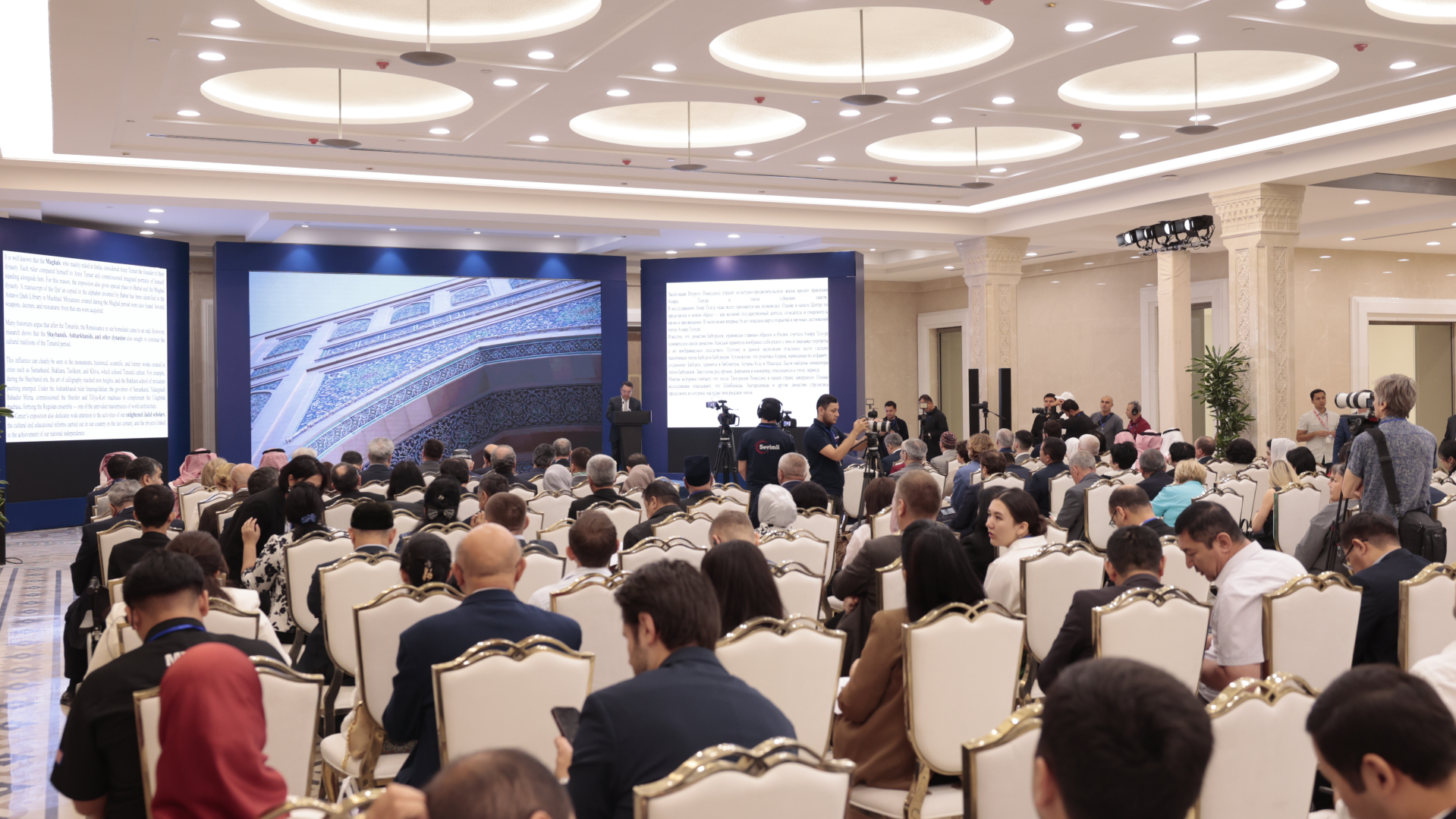
Over 100 experts from more than 20 countries of the world are in Tashkent!
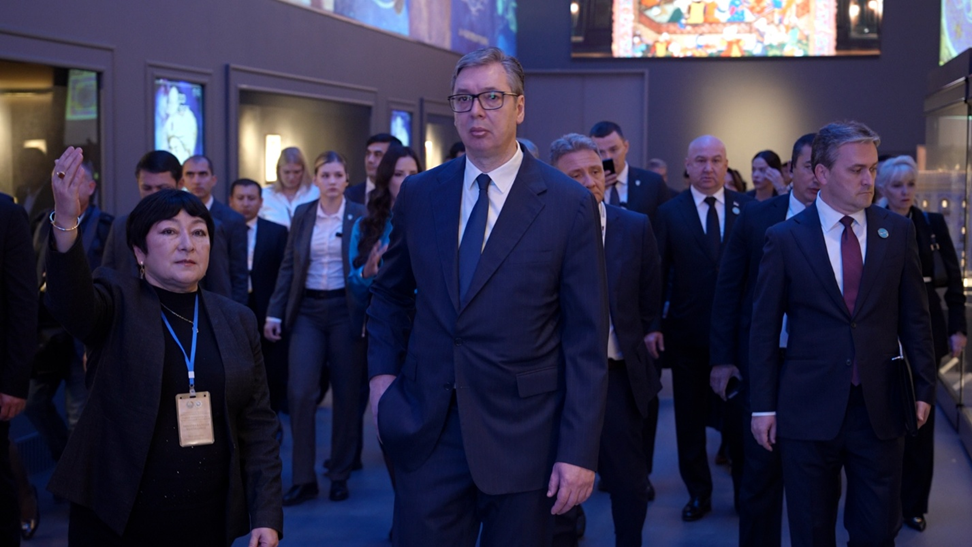
President of Serbia Aleksandar Vučić visited the Islamic Civilization Center in Uzbekistan
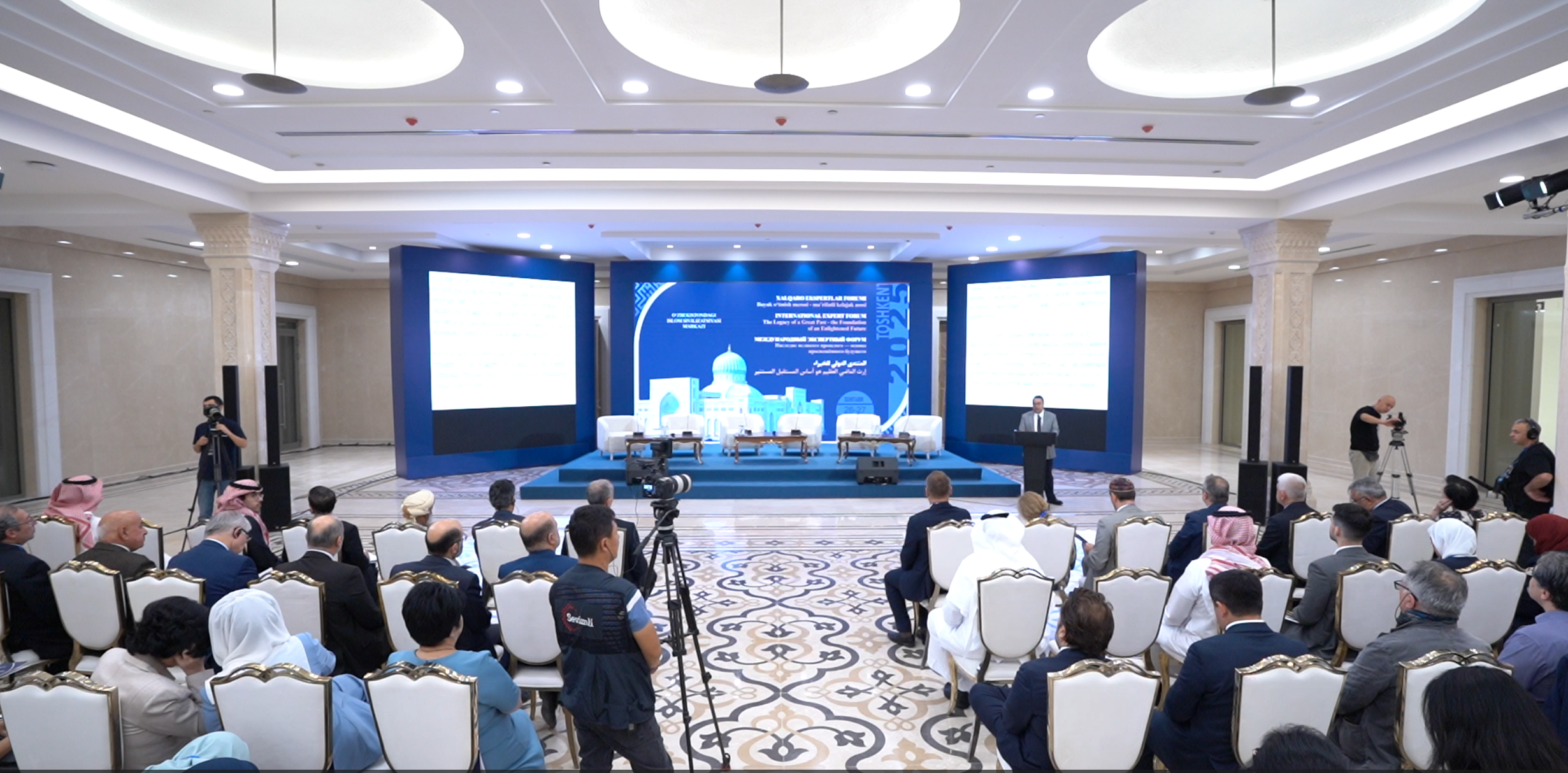
The Center for Islamic Civilization – a global platform leading towards enlightenment
