


Margilan silks, adras, atlas, and shoyi: truths reflected in our centuries-old cultural heritage

“New Uzbekistan: Enlightenment and Cultural Rise” Exhibition
Adras, atlas, silk… These are not merely fabrics, but the living memory of a nation preserved over centuries. The secrets woven into adras, atlas, and silk are narrated through the exhibition at the Islamic Civilization Center in Uzbekistan.
Located within the Center’s section “New Uzbekistan – the Foundation of a New Renaissance,” the exhibition “New Uzbekistan: Enlightenment and Cultural Rise” demonstrates the continuity of national identity, aesthetic thinking, and traditional craftsmanship. National textiles that embody our people’s centuries-old cultural heritage occupy a special place in this exhibition.
The Margilan silk fabrics presented in the exhibition adras, atlas, and silk hold a prominent place in the material and spiritual culture of the Uzbek people and stand out as invaluable treasures contributed to world civilization. These fabrics express the harmony between humanity and nature, the unity of art and life, and testify to the deep roots of Eastern artistic thought.

Men’s chapan (robe). Bakhshillo Jumaev, Bukhara. 2025. Velvet, gold embroidery, ground embroidery, floral embroidery
Margilan has long been recognized as a center of silk craftsmanship. The textiles of this land have been widely used not only in everyday life but also in festive and ceremonial attire, reflecting the aesthetic taste, national spirit, and creative potential of our people. Today, these traditional fabrics are also finding their place in the world of contemporary fashion.
Adras fabric is created through the harmony of silk and cotton. Therefore, it is valued not only for its elegance but also for its durability. The adras patterns displayed in the exhibition are inspired by natural landscapes, Islamic geometric forms, and traditional Uzbek symbols.
Each color tone carries its own meaning: green represents nature and renewal, red symbolizes love and passion, and blue signifies the sky and spiritual purity. Through adras fabric, the philosophy of life, joys, and aspirations of our people find artistic expression. Even today, adras maintains its relevance in national attire and modern design solutions.

Silk fabric installation: Silk fabric, Margilan. Khan-atlas, Fergana. Silk fabric, Margilan
Atlas, one of the finest examples of Margilan silk craftsmanship, is distinguished by its luster, softness, and the unique harmony of colors. In the past, it adorned the garments of queens, noblewomen, and the aristocracy.
The very word “atlas” conveys meanings of delicacy and beauty. Woven from pure silk fibers, this fabric embodies our people’s dreams and aspirations, sincerity, and boundless love for art through its vibrant patterns.
Silk fabric, woven from pure silk fibers, stands out for its delicacy, lightness, and coolness. For centuries, silk has been widely used in festive garments, wedding ceremonies, and the most significant celebrations. It has held an important place not only in clothing but also in interior decorative arts.
The silk fabrics displayed in the exhibition embody the harmony of refined luster and naturalness, standing as invaluable examples of humanity’s cultural heritage.
Shahnoza Rahmonova
P.S. The article may be republished with a link to the Center’s official website.
Most read
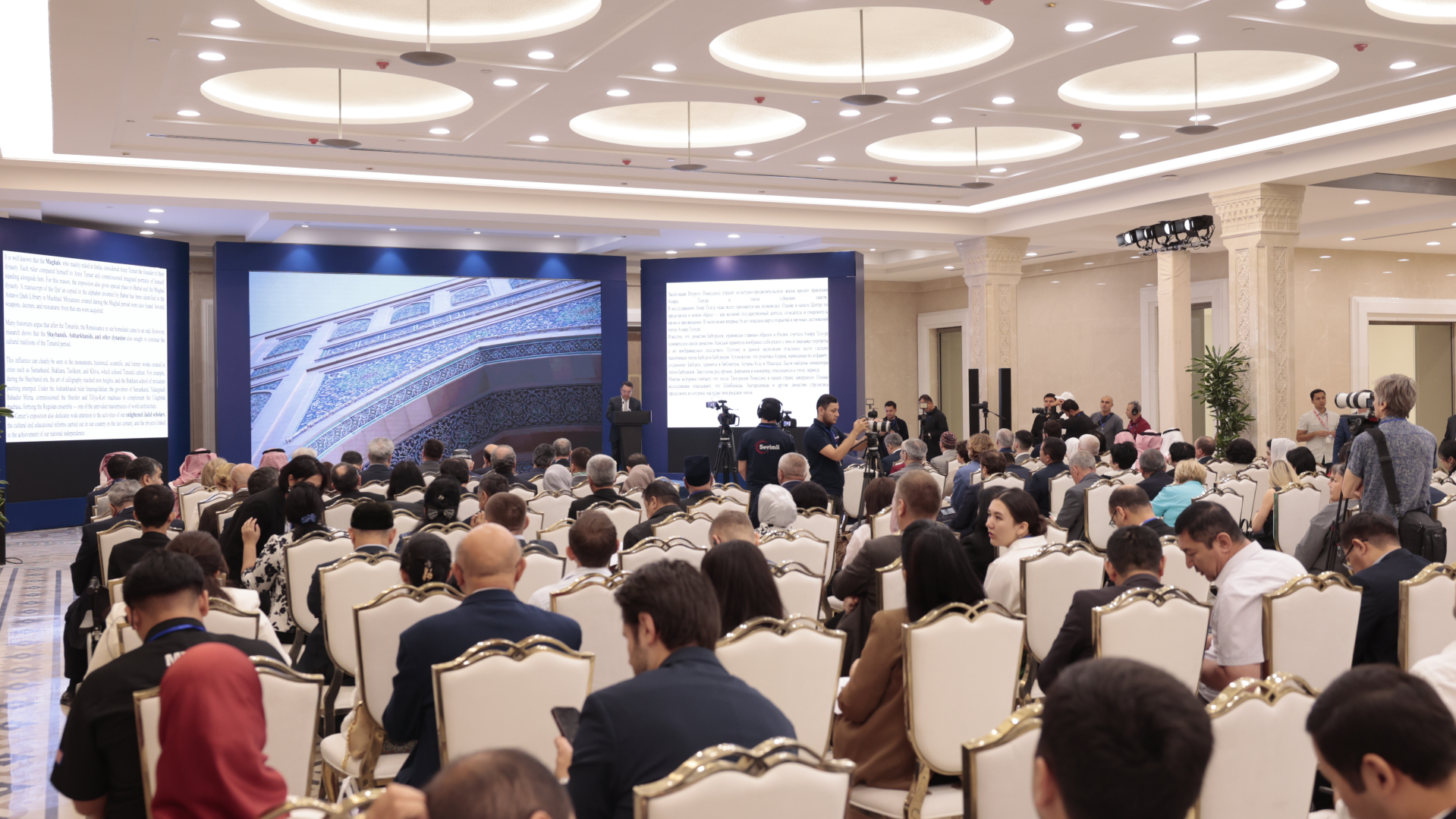
Over 100 experts from more than 20 countries of the world are in Tashkent!
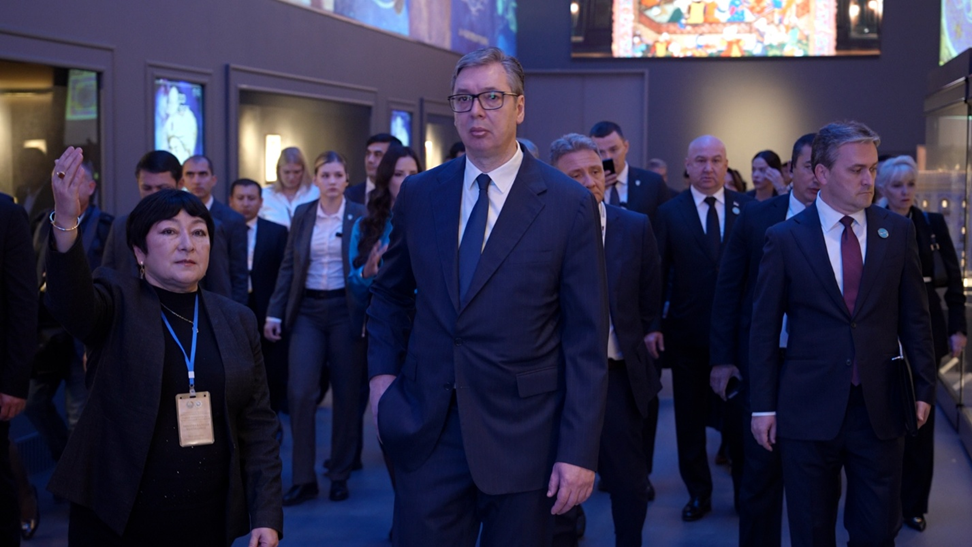
President of Serbia Aleksandar Vučić visited the Islamic Civilization Center in Uzbekistan
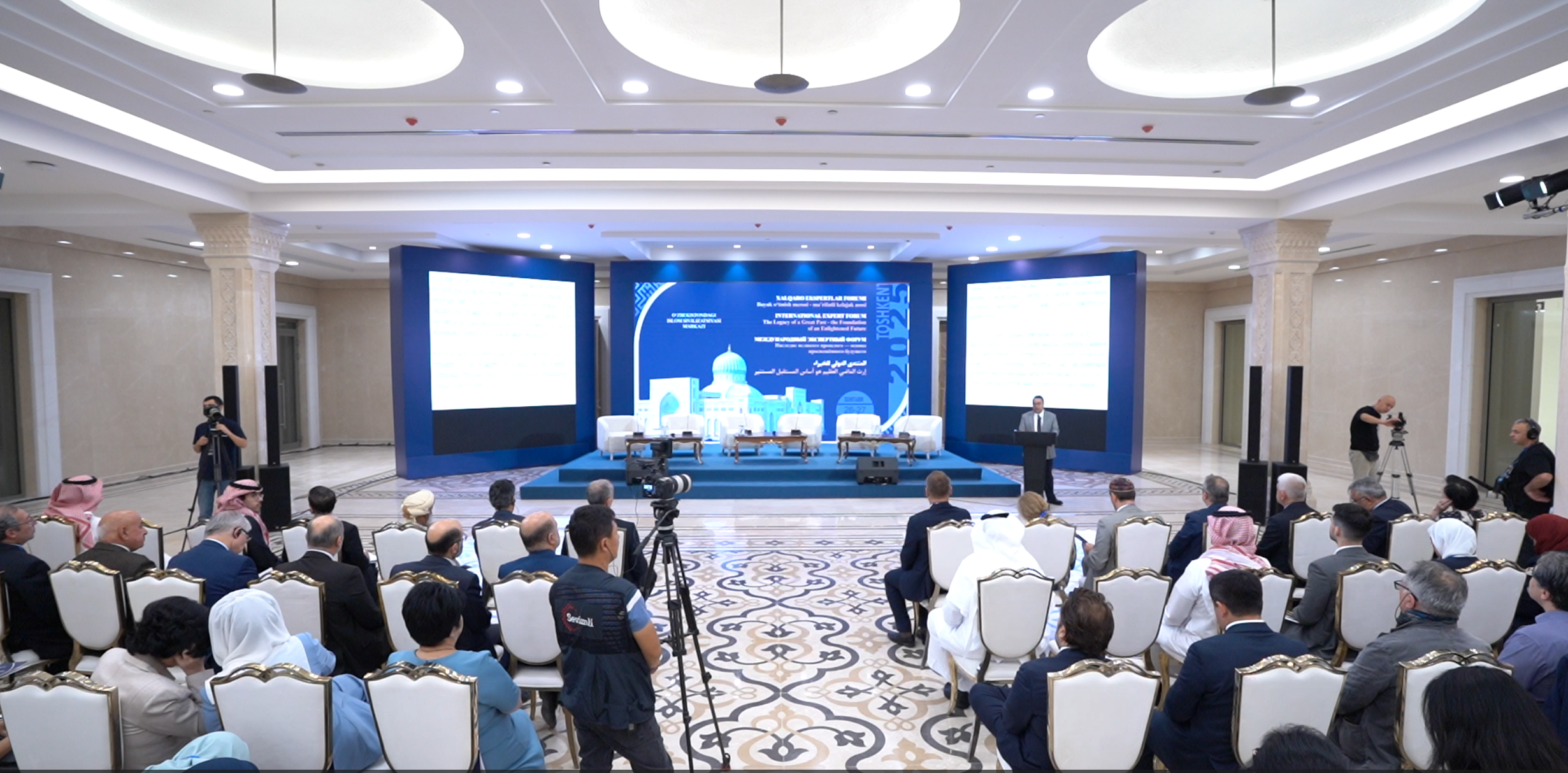
The Center for Islamic Civilization – a global platform leading towards enlightenment
