


Open diplomacy, open borders: modern approaches in New Uzbekistan’s foreign policy are being presented through an exhibition
In recent years, Uzbekistan has restored a culture of dialogue in Central Asia, put forward active initiatives from the UN platform, and strengthened its position on the international logistics map. These changes are concrete results of New Uzbekistan’s foreign policy.
Today, New Uzbekistan is recognized as an active initiator of peace, cooperation, and sustainable development in Central Asia through its open, pragmatic, and responsible foreign policy. The foreign policy strategy pursued by President Shavkat Mirziyoyev serves to strengthen national security, develop good-neighborly relations, and enhance Uzbekistan’s international standing.
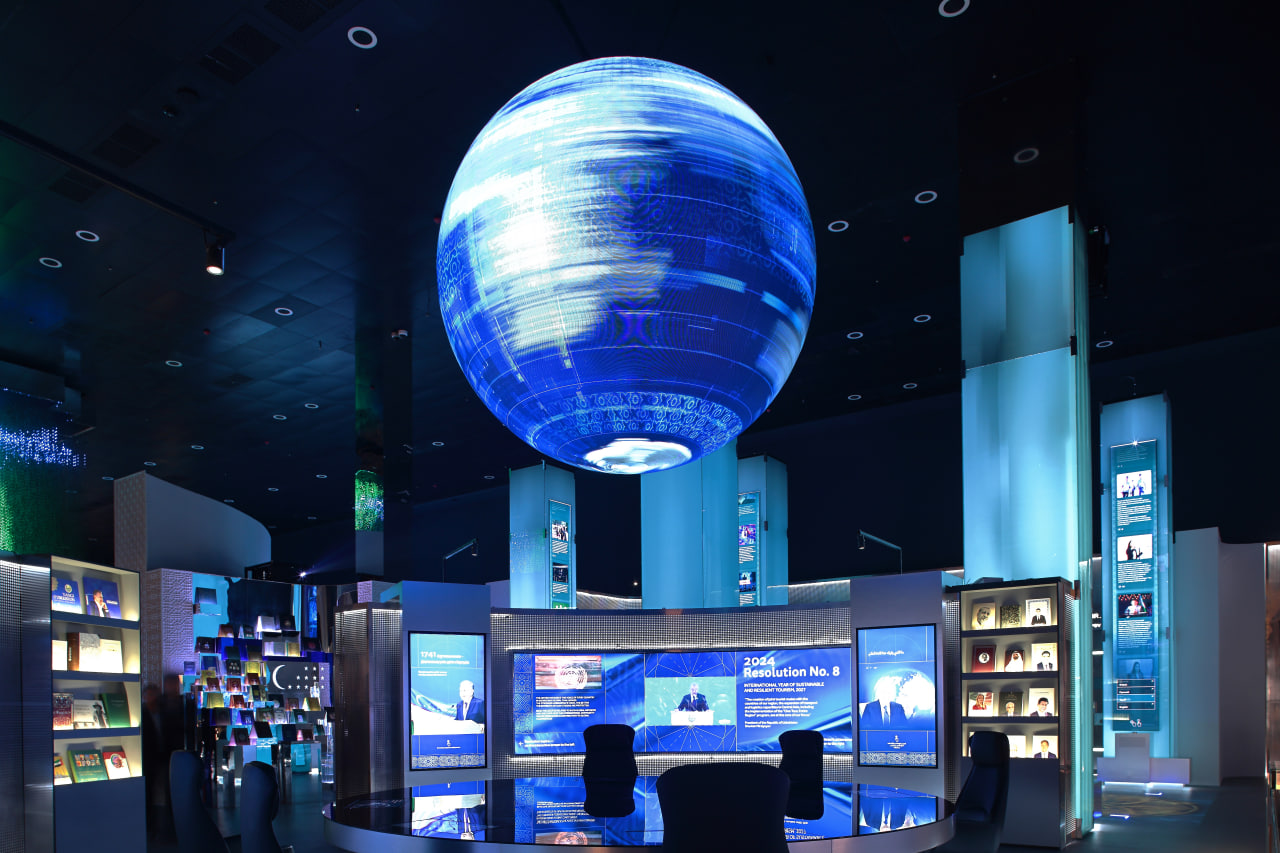
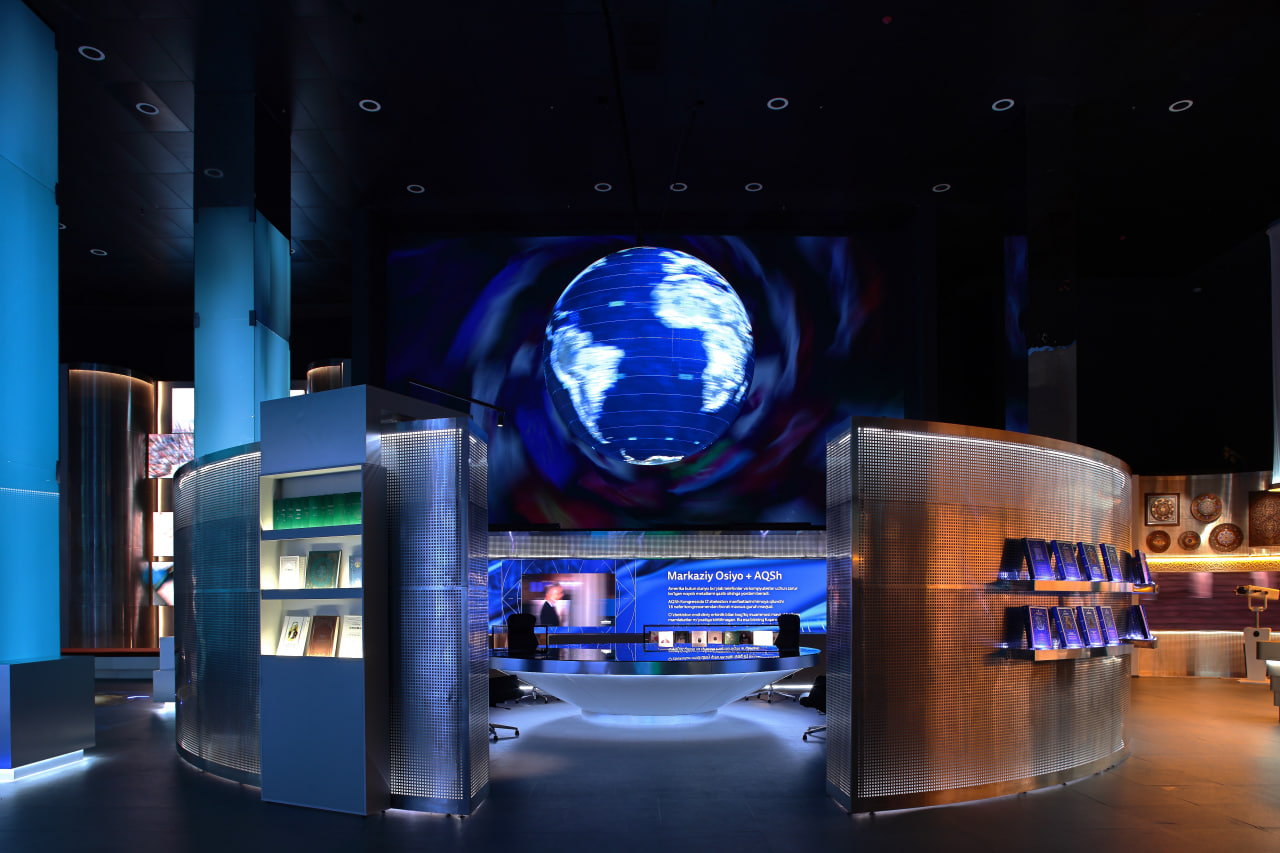
These directions are systematically reflected in the “New Uzbekistan – the Foundation of a New Renaissance” section of the exposition organized at the Islamic Civilization Center in Uzbekistan, where the state’s open, peace-oriented, and forward-looking foreign policy course is presented in a coherent manner.
Central Asia as a foreign policy priority
In Uzbekistan’s foreign policy, the Central Asian region has been designated as a key priority. The Consultative Meetings of the Heads of State of Central Asia, initiated by the President, marked a significant turning point in the region’s history.
Today, open dialogue and practical cooperation among Central Asian states serve as an important factor in transforming the region into a zone of stability and development.
Active initiatives on the global stage
Over the past seven years, 11 resolutions have been adopted by the UN General Assembly at Uzbekistan’s initiative, four of which were adopted in 2024.
In addition, Uzbekistan was elected for the first time in history as a member of the UN Human Rights Council. The election of Uzbekistan’s representative to the UN Human Rights Committee also demonstrates international recognition of the reforms being implemented to ensure human rights.
Strategic transport and logistics projects
Strengthening regional and transcontinental connectivity occupies an important place in New Uzbekistan’s foreign policy. Today:
• Construction of the China-Kyrgyzstan-Uzbekistan main railway has begun;
• Consistent work is underway on the Uzbekistan-Afghanistan-Pakistan railway projects;
• Active efforts are being made to develop multimodal transport corridors along the Belarus-Russia-Kazakhstan-Uzbekistan-Afghanistan-Pakistan route, the Middle Corridor, and the Central Asia-Iran-Oman-Qatar route.
These projects serve to transform Uzbekistan into a regional logistics hub, expand trade and economic ties, and strengthen national security.
Modern consular services and visa openness
One of the key directions of foreign policy is the protection of citizens’ interests. For this purpose, the “Interactive Consular Services” information system (consul.mfa.uz) was launched. Through this platform, citizenship, permanent residence, registration, and other consular services are provided electronically.
Currently, citizens of Uzbekistan can travel visa-free to 32 countries. At the same time, citizens of 44 countries are entitled to obtain a visa to Uzbekistan or apply for it electronically. This is a practical result of a policy based on openness and trust.
Open information policy and cooperation with international media
Today, 69 foreign journalists are permanently accredited with the Ministry of Foreign Affairs. Through them, materials on Uzbekistan’s domestic and foreign policy are regularly published in various foreign languages.
In 2024 alone, more than 2,000 foreign journalists from 81 countries visited Uzbekistan, and 21 special press tours were organized. The fact that these figures have nearly doubled over the past three years indicates that Uzbekistan has become an open information space.
The exposition at the Islamic Civilization Center in Uzbekistan also displays books presented by the President of the Republic of Uzbekistan, Shavkat Mirziyoyev, to foreign heads of state. These exhibits reflect an important aspect of New Uzbekistan’s foreign policy spiritual diplomacy and an approach based on cultural dialogue.
The “Foreign Policy and National Security of New Uzbekistan” exposition vividly demonstrates the state’s open, peace-oriented, and forward-looking policy. Strengthening stability in Central Asia, expanding global cooperation, and firmly protecting national interests have become the core principles of New Uzbekistan’s foreign policy.
Most read
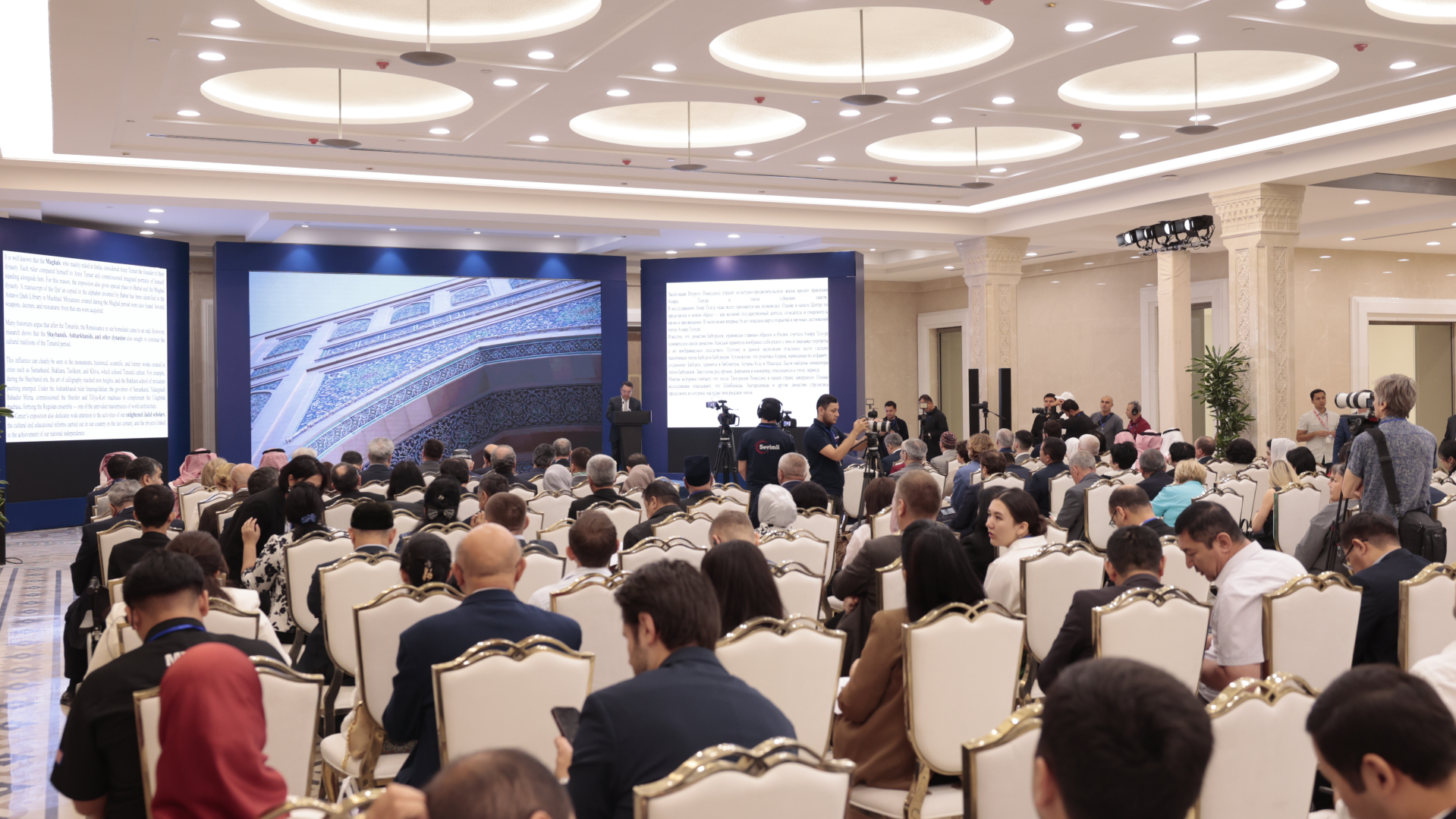
Over 100 experts from more than 20 countries of the world are in Tashkent!
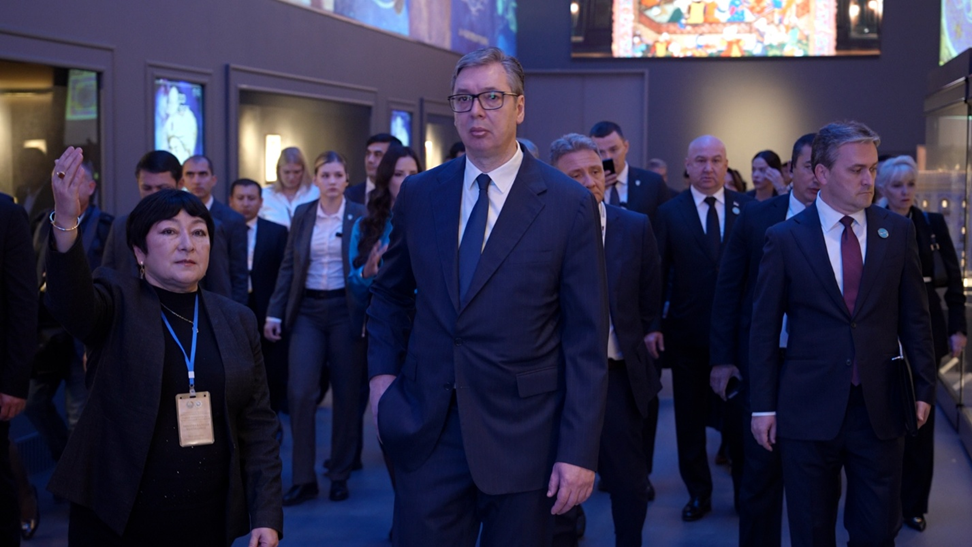
President of Serbia Aleksandar Vučić visited the Islamic Civilization Center in Uzbekistan
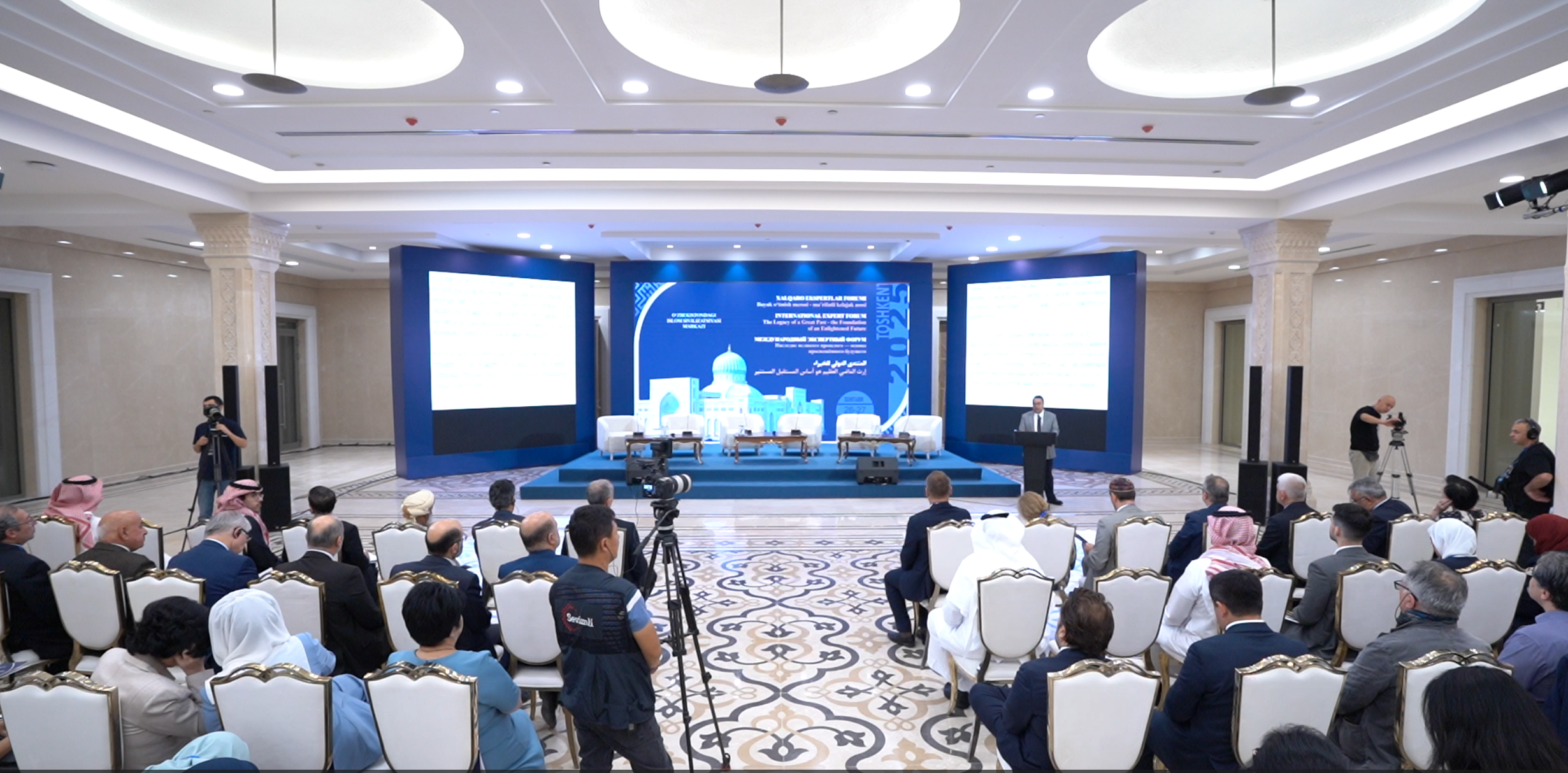
The Center for Islamic Civilization – a global platform leading towards enlightenment
