


The ancient symbol of Turan returns from Britain: a unique deer sculpture on display
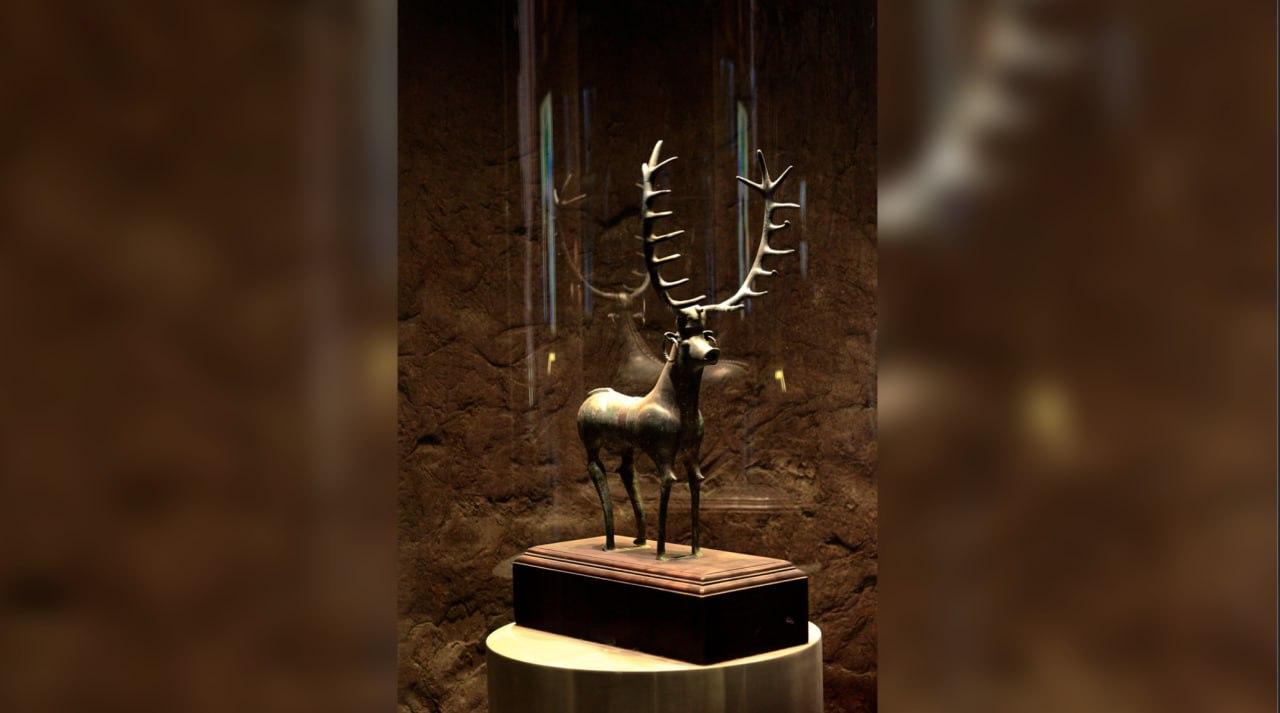

A unique Bronze Age deer sculpture embodying the ancient worldview and mythological thinking of the peoples of Central Asia has been brought from the United Kingdom to Uzbekistan. This exceptional work of art is currently on display in the exhibition of the Islamic Civilization Center in Uzbekistan.
Among the artistic monuments of ancient Central Asian culture, the image of the deer holds important symbolic significance. The deer sculpture exhibited at the Islamic Civilization Center in Uzbekistan is a vivid expression of ancient belief systems, mythological imagination, and artistic thinking.
Beginning from the second-first millennia BCE, that is, during the Bronze Age, depictions of totem animals became widespread across Central Asia and adjacent regions. Images of deer, gazelles, horses, camels, and lions appeared on vessels, figurines, and objects of applied art. In particular, the deer portrayed with widely branching antlers was regarded in the worldview of ancient peoples as a symbol of prosperity, strength, and authority.
This sculpture belongs to a group of rare Central Asian artworks preserved in private collections in the United Kingdom. Its form and proportions demonstrate the high level of artistic thought achieved during the Bronze Age.
Doctor of Historical Sciences, Professor Gaybulla Boboyorov, comments on the origin of the deer image as follows:
“The deer, especially the image of the mother deer with spreading antlers, has been an important symbol in the visual and applied arts of the Central Asian – Turanian – peoples since the Saka-Scythian period. These representations are directly connected with ancient religious beliefs and mythological concepts.”
According to the professor, the absence of deer and gazelles today in the region between the Amu Darya and Syr Darya rivers does not mean that they never inhabited this area. Bronze Age rock carvings show that deer and gazelles once lived precisely in this region.
“Images of deer, gazelles, mountain goats, and hunting scenes are frequently found on rock carvings. These images reflect the nature-related perceptions of people of that era,” says Gaybulla Boboyorov.
Depictions of deer were widespread on seals, coins, ceramic, and metal objects from the regions of Chach, Yettisuv, Fergana, and Sogdiana. This demonstrates that the deer image was preserved in cultural memory over long periods of time.
In Turkic mythology, the deer was revered as a sacred animal. Some clans and tribes symbolically referred to it as the “Horned Mother Deer,” believed to bring prosperity and abundance to people. Even when ancestors migrated to other regions, mythological notions associated with this image continued as part of cultural memory.
This deer sculpture serves as an important scholarly source for understanding ancient belief systems, totemistic concepts, and the development of artistic thought formed in Central Asia.
Today, this unique monument is exhibited at the Islamic Civilization Center in Uzbekistan, where it presents the ancient cultural layers of the region to the broader public on a scholarly basis.
Guzal Beknazarova
P.S.: The article may be republished with a link to the Center’s official website.
Most read
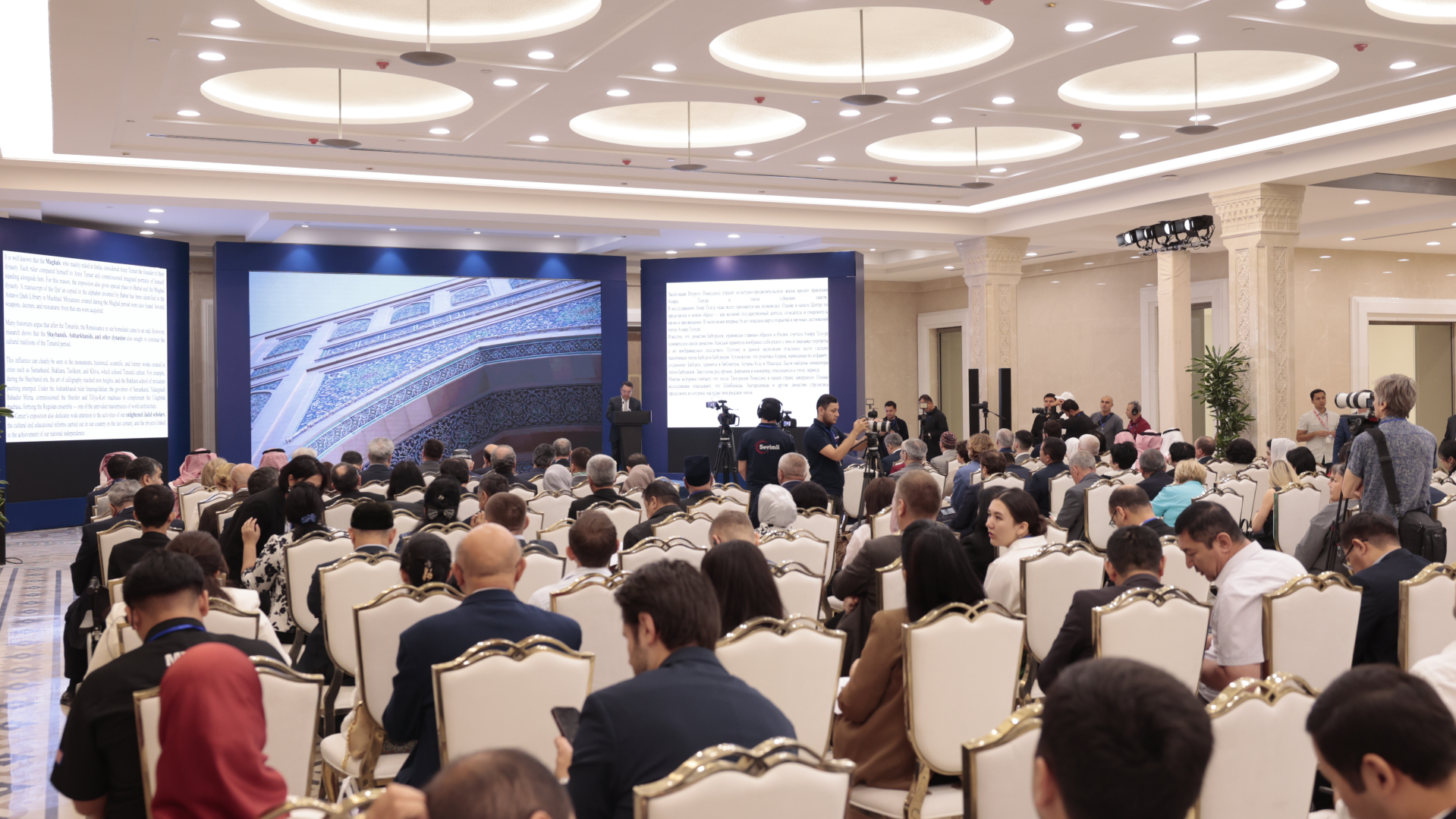
Over 100 experts from more than 20 countries of the world are in Tashkent!
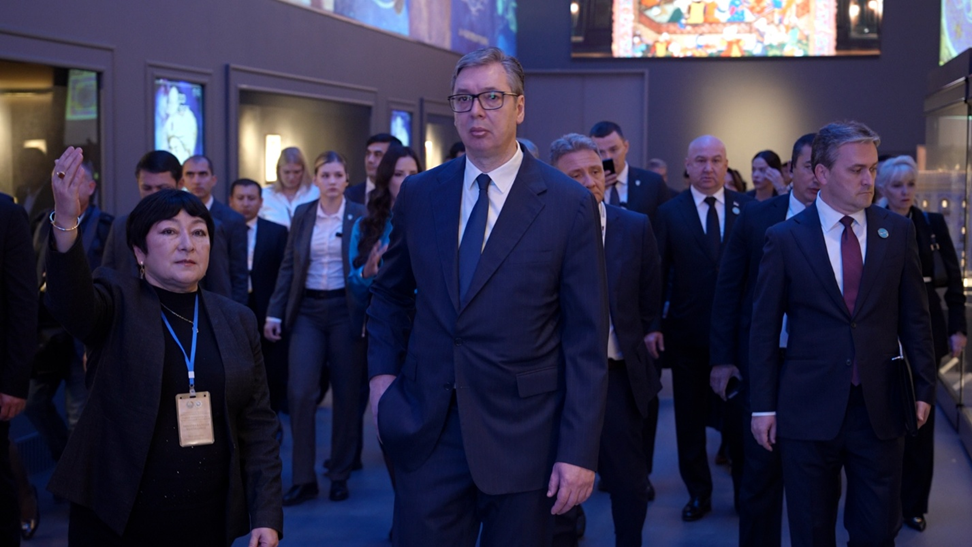
President of Serbia Aleksandar Vučić visited the Islamic Civilization Center in Uzbekistan
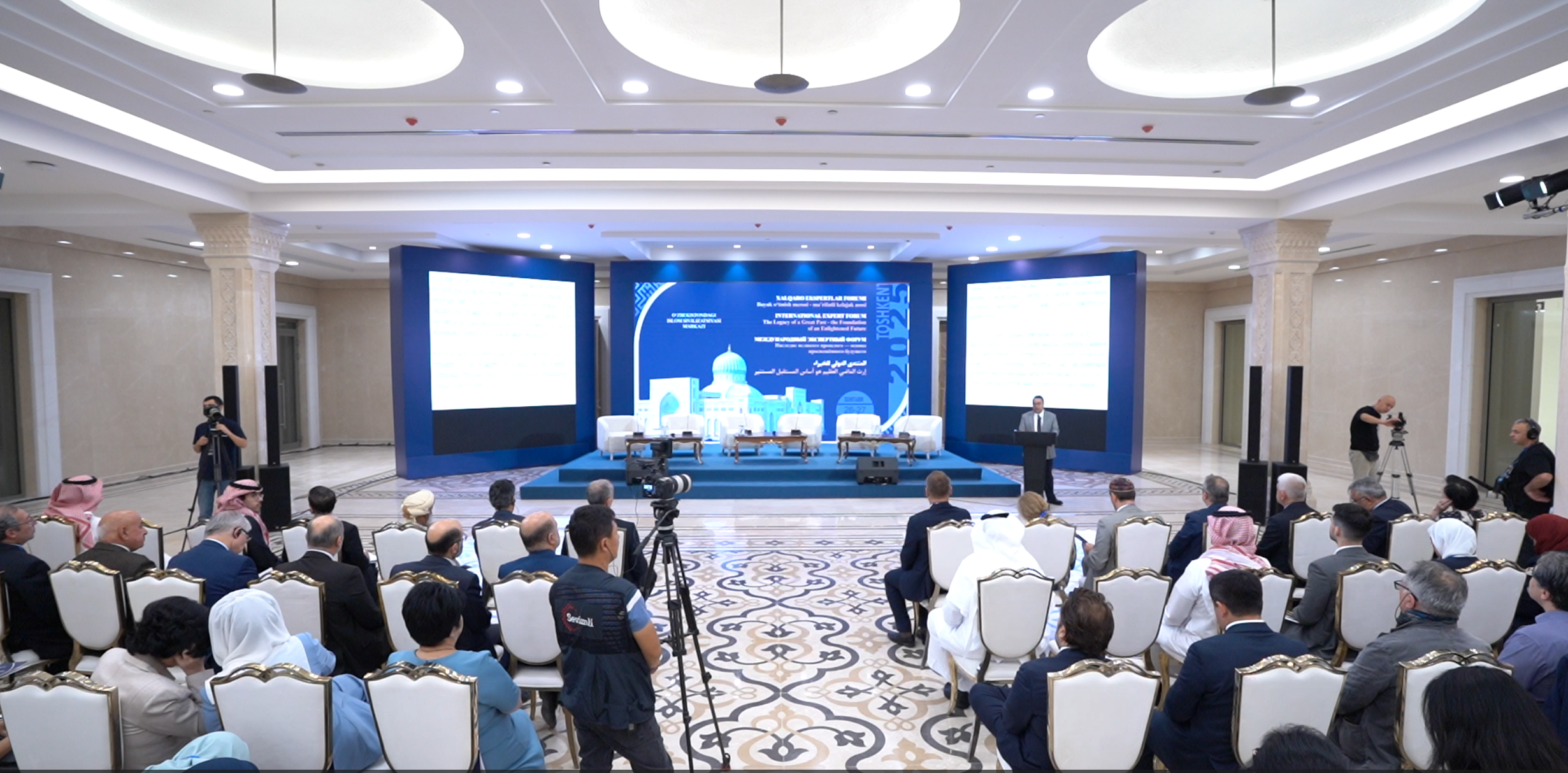
The Center for Islamic Civilization – a global platform leading towards enlightenment
