


The keys to the Kaaba door are in Uzbekistan!
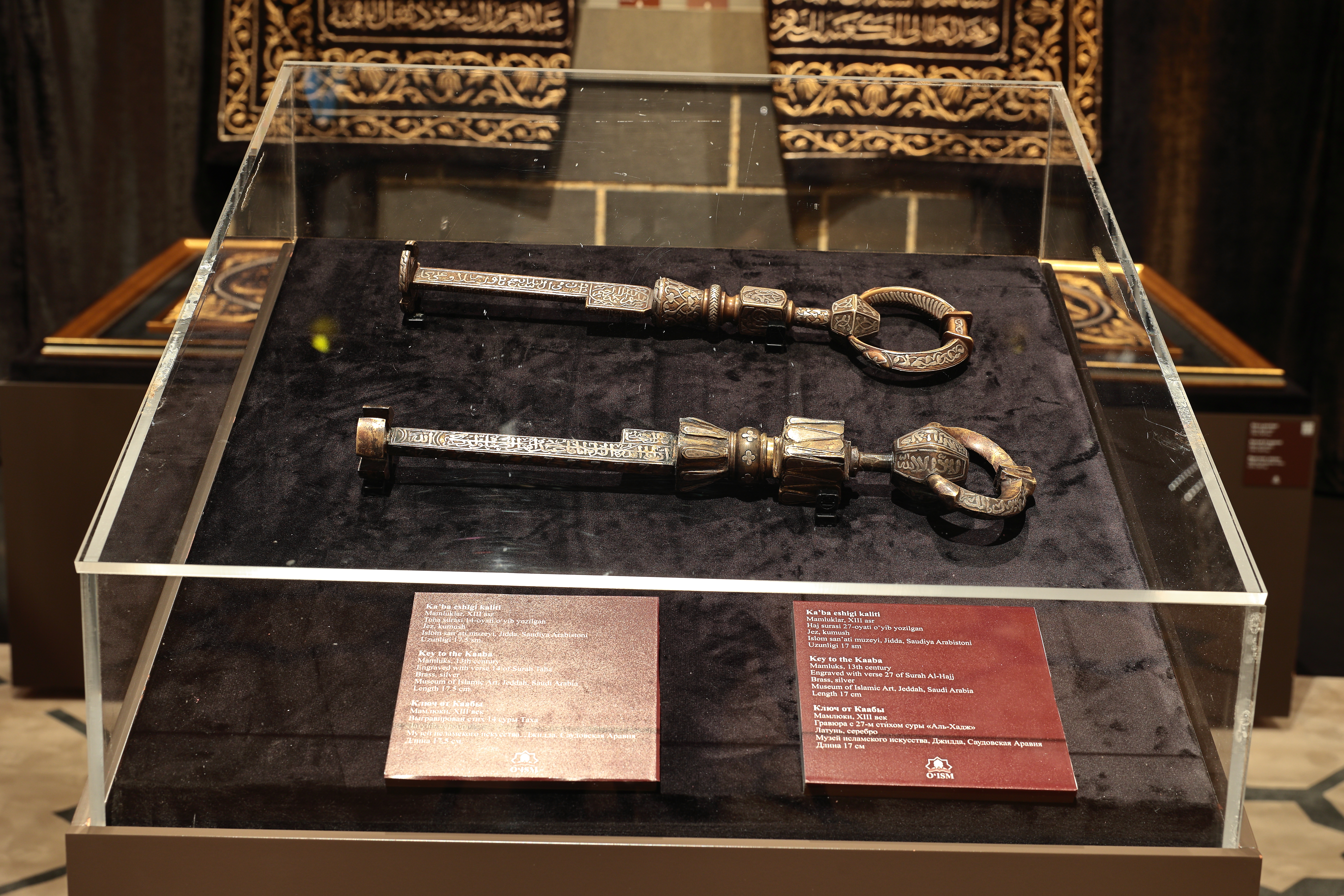
Two rare examples of the most responsible and sacred trusts in Islamic history are today featured in the exposition of the Islamic Civilization Center in Uzbekistan. They lead visitors on a spiritual journey that begins in Mecca al-Mukarrama and embraces the entirety of Islamic history.
The Kaaba, the greatest and most sacred sanctuary in the Islamic world, is a symbol of worship, trust, and responsibility for the entire Muslim ummah. The key that opens the door of this exalted sanctuary has for centuries been revered as a unique sacred object. The key to the Kaaba door is not an ordinary metal item; it is a rare symbol embodying history, faith, and the concept of trust. Today, two examples of this unique symbol are displayed in the exposition of the “First Renaissance Period” section of the Islamic Civilization Center in Uzbekistan.
Since the time of our Prophet Muhammad (peace and blessings be upon him), the honor of safeguarding the key to the Kaaba and serving as its custodian has been entrusted to the Banu Shayba clan. This responsible duty has been passed down from generation to generation over several centuries and continues uninterrupted to this day.
The duty of serving the Kaaba and opening and closing it is known in Arabic as “Sidana and Hijaba.” This honorable responsibility was first held by Ismail (peace be upon him), then passed through the Jurhum and Khuza‘a tribes to Qusay ibn Kilab, the leader of Quraysh, and from him it reached the era of the Messenger of Allah (peace and blessings be upon him).
In the eighth year of the Hijra, after the conquest of Mecca, the Prophet temporarily took the key of the Kaaba and entered it. However, prioritizing justice and fidelity to trust, and acting upon a Qur’anic verse, he returned the key to its original owner, ‘Uthman ibn Talha (may Allah be pleased with him). This event became a vivid practical example of the Qur’anic verse: “Indeed, Allah commands you to render trusts to whom they are due…” (Surah an-Nisa, verse 58).
The keys to the Kaaba door stand out for their artistic craftsmanship, gilded ornamentation, and inscriptions of Qur’anic verses. They were often used during ceremonies of opening the Kaaba and are considered an integral part of religious rituals. Each key reflects the spirit of its era.
Today, two rare examples of the keys to the Kaaba door are on display in the “First Renaissance Period” section of the Islamic Civilization Center in Uzbekistan. These exhibits date back to the 13th century CE and were crafted during the Mamluk period.
Abdurasul Yakhshiboev, Research Fellow of the Center:
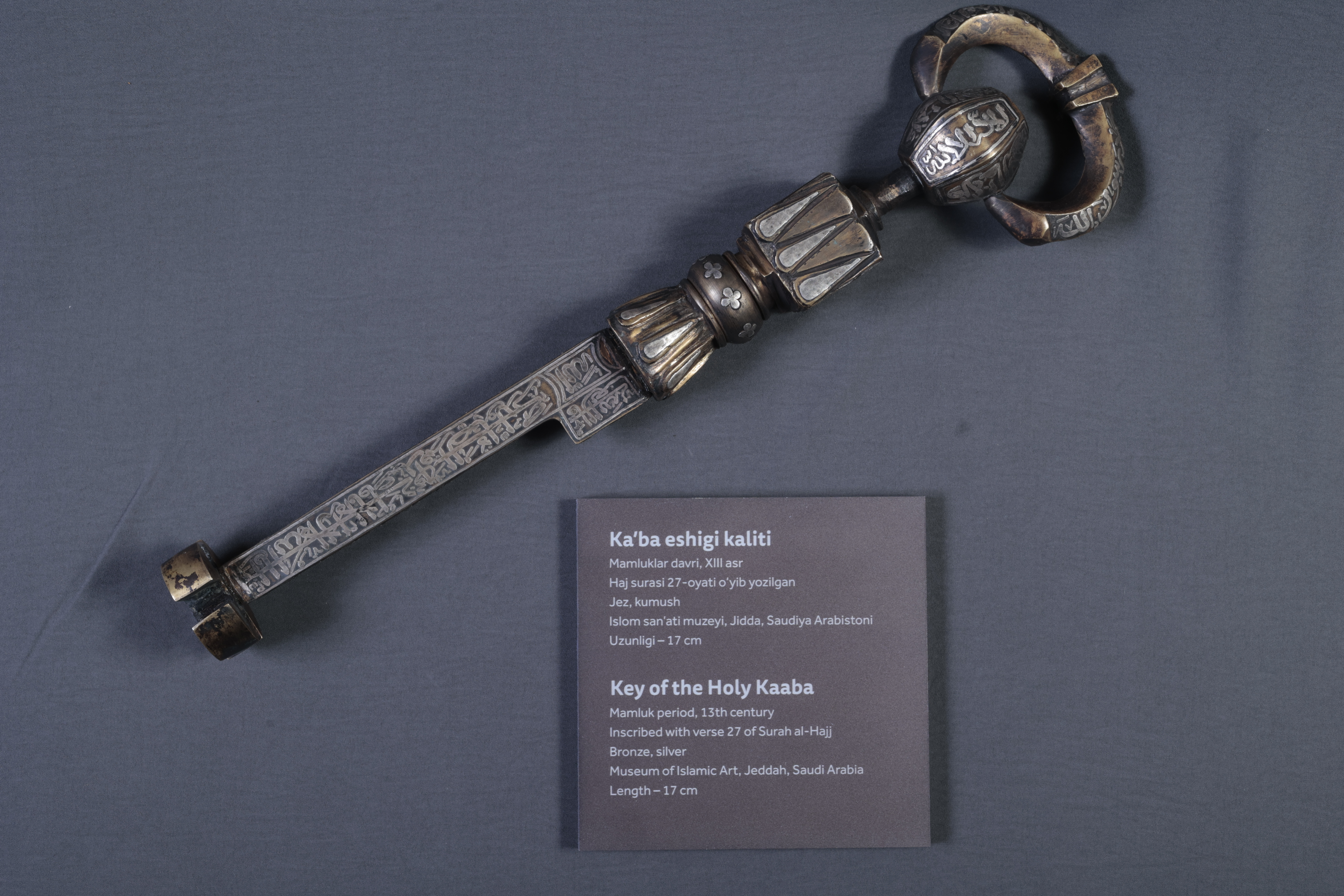
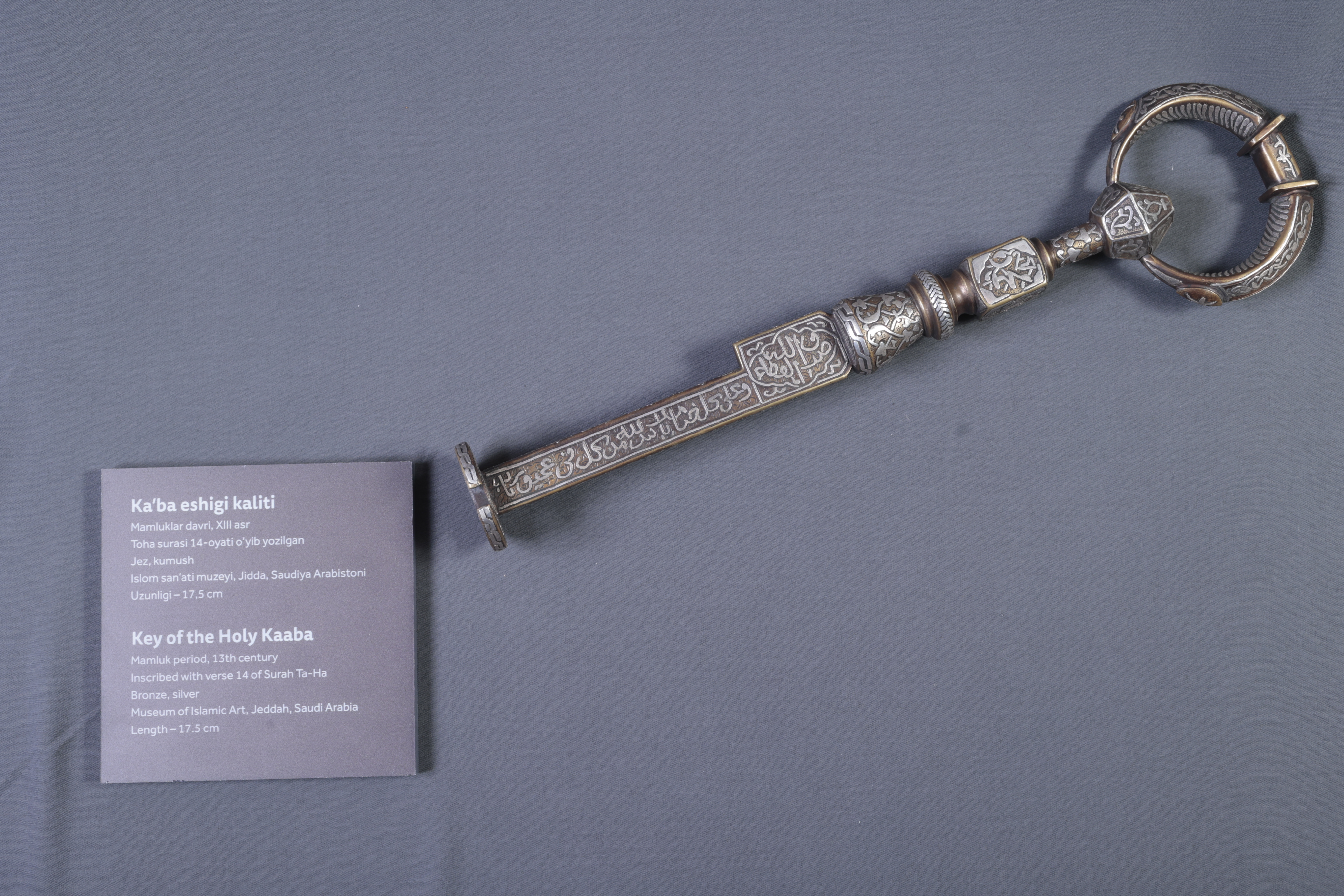
“The two Kaaba keys displayed in the exposition belong to the Mamluk period. They are made of copper and brass, decorated with silver using the inlay technique, and engraved with verse 27 of Surah al-Hajj. The second key is adorned with verse 14 of Surah Ta-Ha.
The lengths of these keys are 17 and 17.5 centimeters. The keys and their inscriptions are not merely museum exhibits; they are living witnesses of Islamic history that have transcended time and space.
These blessed relics, brought from Mecca al-Mukarrama, from the very heart of the Baytullah, now stand on the land of Uzbekistan, in the Islamic Civilization Center. This is not by chance. It is a symbol of high respect and trust shown to our land that nurtured great hadith scholars such as Imam Bukhari and Imam Tirmidhi.”
Today, the key to the Kaaba door is preserved by the descendants of Banu Shayba. The modern key is made of pure gold, is nearly 40 centimeters long, and is kept in a special silk case. This case is renewed every year at the special factory where the Kaaba kiswah is produced.
The current lock of the Kaaba door, remaining faithful to historical traditions, was reworked in 1979 based on a lock made in 1891 by the Ottoman Sultan Abdulhamid. It bears an engraved inscription of the name of King Khalid ibn Abdulaziz of Saudi Arabia.
As this sacred object is displayed today in the exposition of the Islamic Civilization Center, it leads visitors through the pages of history into the profound spiritual layers of faith, justice, and Islamic heritage.
Shahnoza Rahmonova
P.S. The article may be republished with a link to the Center’s official website.
Most read
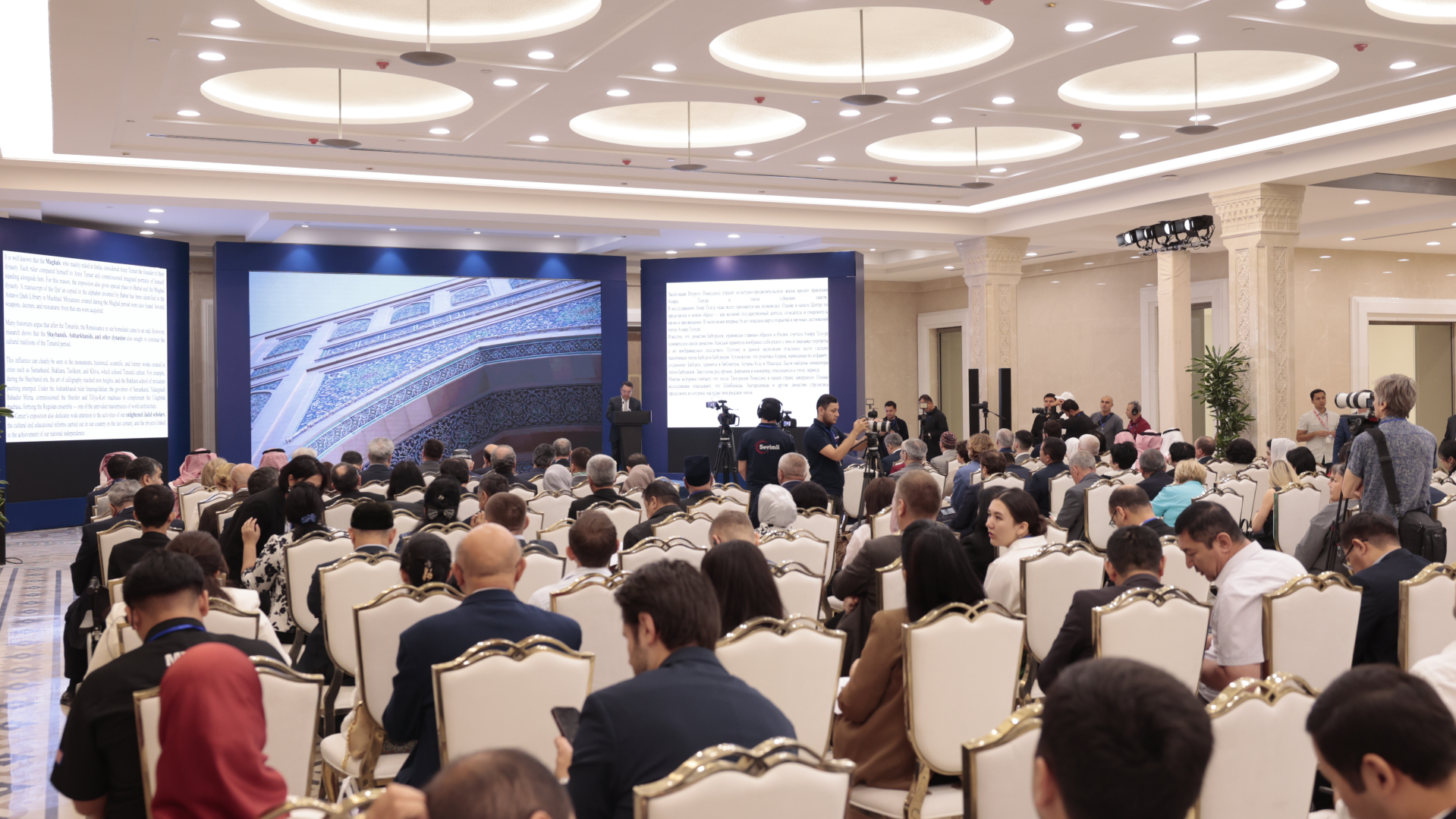
Over 100 experts from more than 20 countries of the world are in Tashkent!
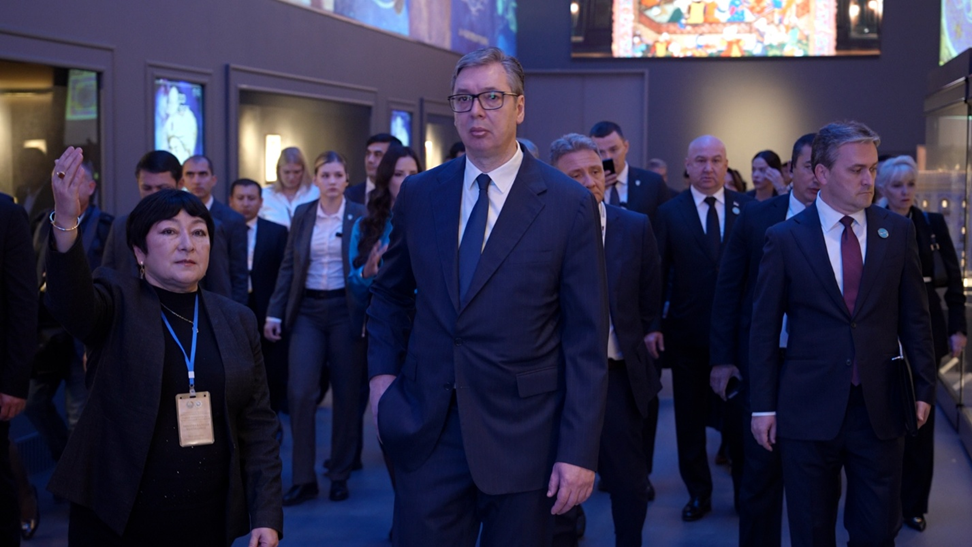
President of Serbia Aleksandar Vučić visited the Islamic Civilization Center in Uzbekistan
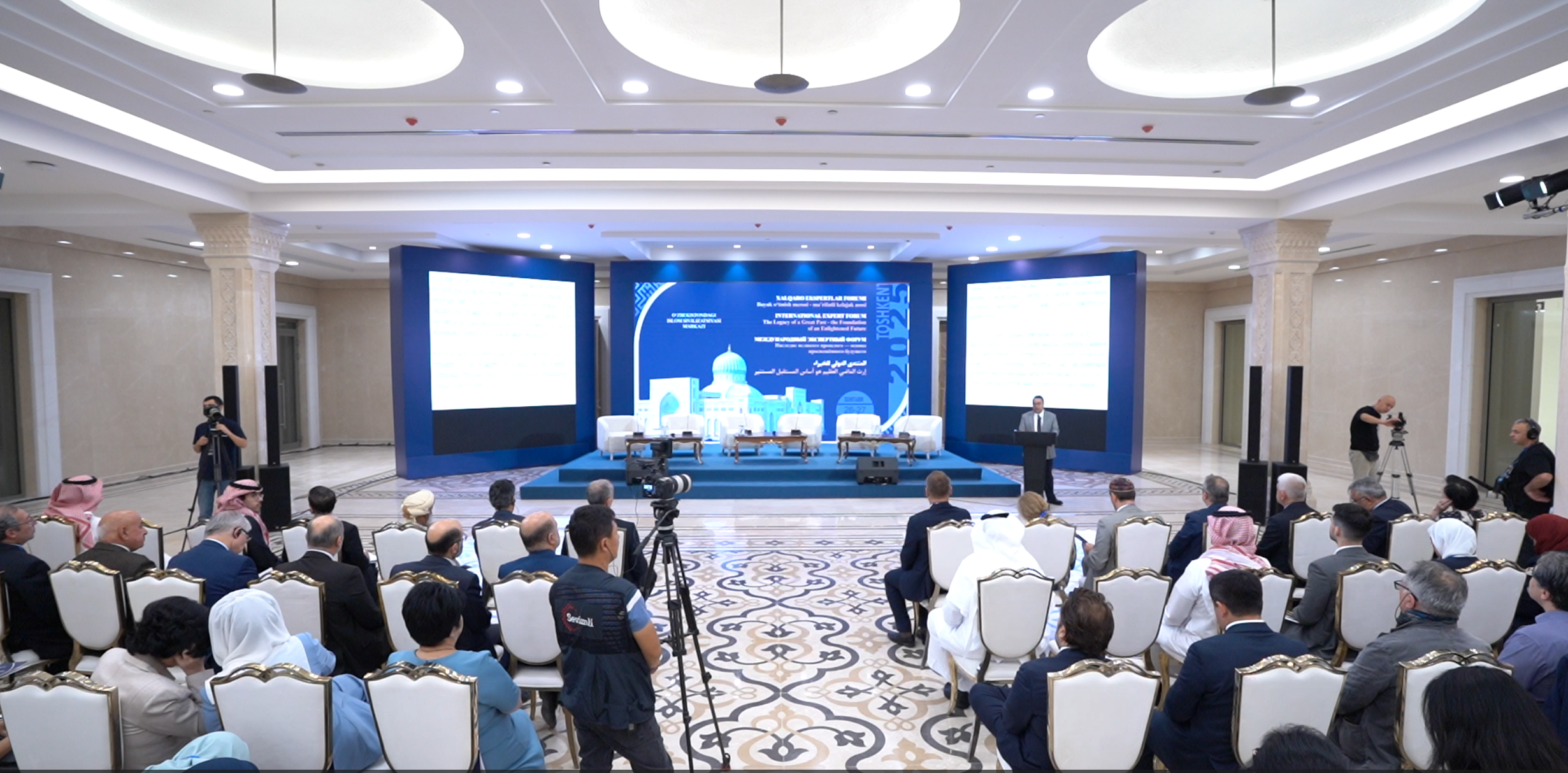
The Center for Islamic Civilization – a global platform leading towards enlightenment
