


Are you ready for a historical journey into Amir Temur’s empire through an interactive map, manuscripts, and an avatar?

The “Amir Temur Sector,” established within the “Second Renaissance Period” section of the Islamic Civilization Center Museum, takes visitors on a journey into the era of the great Sahibqiran. An interactive map, rare manuscripts, architectural models, and an artificial intelligence–based avatar make the exhibition even more vivid.
Within the exposition of the Islamic Civilization Center, a special “Amir Temur Sector” has been created, encompassing the life of Amir Temur, his state-building activities, and the rich historical legacy of the Timurid period. This sector is designed to present the political, military, spiritual, and educational activities of the great Sahibqiran on a scholarly basis through modern exhibition methods and interactive technologies.
The central element of the exhibition is an interactive map of Amir Temur’s empire displayed on a special touch panel. It dynamically illustrates historical processes from Amir Temur’s accession to the throne in 1370 up to the formation of the Shaybanid state. Through this map, visitors can obtain detailed information about major cities of the Timurid era, strategically important territories, trade routes, and cultural centers. The exhibition offers not only the opportunity to see historical events, but also to understand and experience them.
A special place in the Center’s exposition is given to scholarly, historical, and literary works about Amir Temur created in Europe. Writing about the Sahibqiran began even during his lifetime. Among such works is The Diary of a Journey to the Court of Timur by the Spanish envoy Ruy González de Clavijo. This work was begun during Amir Temur’s lifetime and published in Europe shortly after his death. In addition, works by historians and writers such as Marcel Brion, Edgar Allan Poe, and Johann Schiltberger are also displayed, clearly demonstrating the interest of European society in the figure of Amir Temur. In total, more than ten rare historical editions are presented in this section.
One of the most important parts of the exhibition is the manuscript of Tuzuklari Temur (The Regulations of Temur). According to sources, this work was written by Amir Temur himself. It was recopied during the Mughal period and widely disseminated across vast regions. Various versions of the work exist, and its Persian manuscripts were later translated into Turkic in Khorezm and Kokand. The exhibition presents facsimile copies, different translations, and electronic versions of Temur Tuzuklari.
The Center also displays decrees and waqf documents from the era of Amir Temur. Such documents that have survived to the present day are important sources for studying the Sahibqiran’s socio-economic and religious policies. Among them, a Turkic-language waqf deed granted to the descendants of Abu Muslim and preserved in the State Museum of the History of the Timurids holds particular significance. A copy of this document is presented in the exhibition.

The giant Qur’an copied by Umar Aqta and its fragment
One of the rarest examples of the spiritual heritage of Amir Temur’s era is the giant Qur’an copied in Samarkand in the 1400s by the calligrapher Umar Aqta. Until the beginning of the 21st century, this Qur’an was recognized as the largest handwritten Qur’an in the world. Today, some of its pages are preserved in the British Library and the Metropolitan Museum of Art in New York. At the Islamic Civilization Center, copies of the pages of this Qur’an are on display.
In addition, a reconstructed Amir Temur Qur’an restored by the calligrapher Najmiddin Fayaziy is also included in the exposition. This work is regarded as an important step toward reviving the art of calligraphy and the spiritual heritage of Amir Temur’s era.
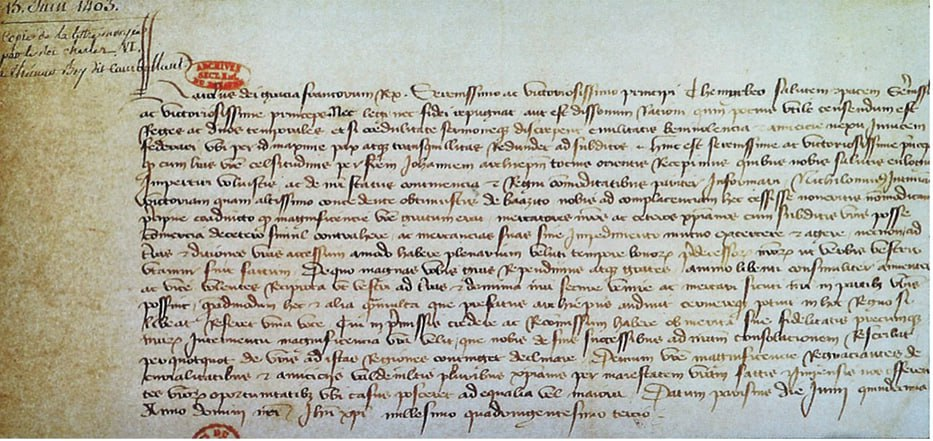
Copies of correspondence between Amir Temur and King Charles VI of France
The exhibition features copies of correspondence between Amir Temur and King Charles VI of France, as well as a gift edition of the memoirs of the Spanish envoy Clavijo. In his memoirs, Clavijo portrays Amir Temur as a just ruler and a patron of knowledge and enlightenment. These publications were prepared in cooperation between the Islamic Civilization Center and WOSCU.

Wax statue of Bibi Khanum
Another notable exhibit in the sector is the wax statue of Bibi Khanum. Created during the Second Renaissance period by the “Symbol of Asia” Association, this statue depicts the external appearance, clothing style, and historical image of the great Sahibqiran and his wife Bibi Khanum based on historical sources. Special attention was paid to Clavijo’s memoirs in the design of the clothing.

Models of architectural monuments from the era of Amir Temur
The exhibition also includes models of architectural monuments from the era of Amir Temur. Among them are reconstructed models of structures such as the Dorus-Saodat complex, the Mausoleum of Ahmad Yasawi, the Bibi Khanum Mosque, Gur-e Amir, and the Ak-Saray Palace.
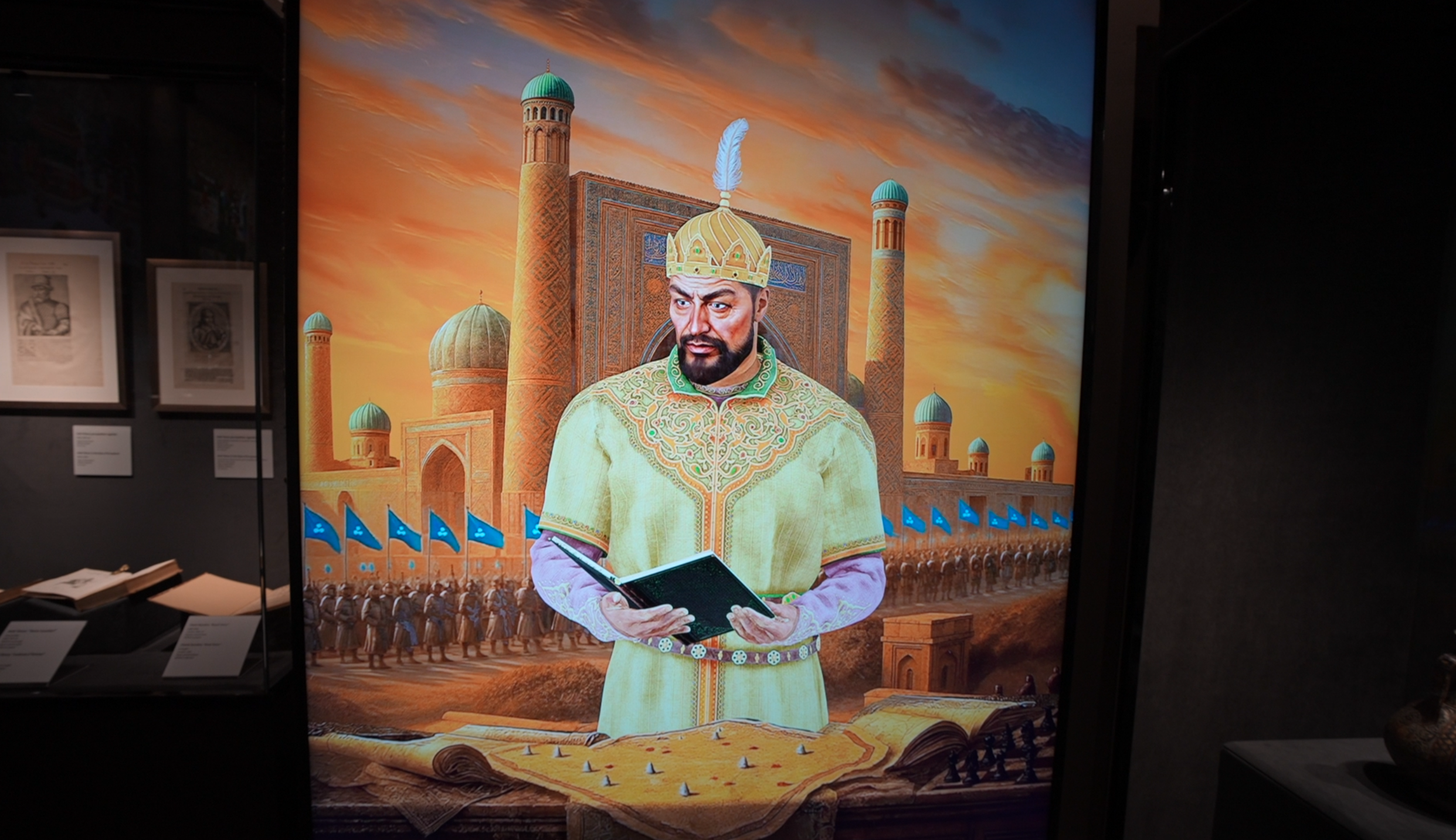
Amir Temur avatar
Through a special screen created using modern technologies, visitors can communicate with an Amir Temur avatar in four languages Uzbek, Russian, English, and Arabic using artificial intelligence. This makes the exhibition even more vivid and interactive.
At present, monuments related to Amir Temur and the Timurid period have been identified in the territories of 16 countries. These include the Mausoleum of Ahmad Yasawi in Turkestan, the Taj Mahal in India, the Gawhar Shad Begum Mosque in Iran, and the Blue Mosque in Afghanistan. For the exhibition, models and copies of historical exhibits from some of these sites are being brought in.
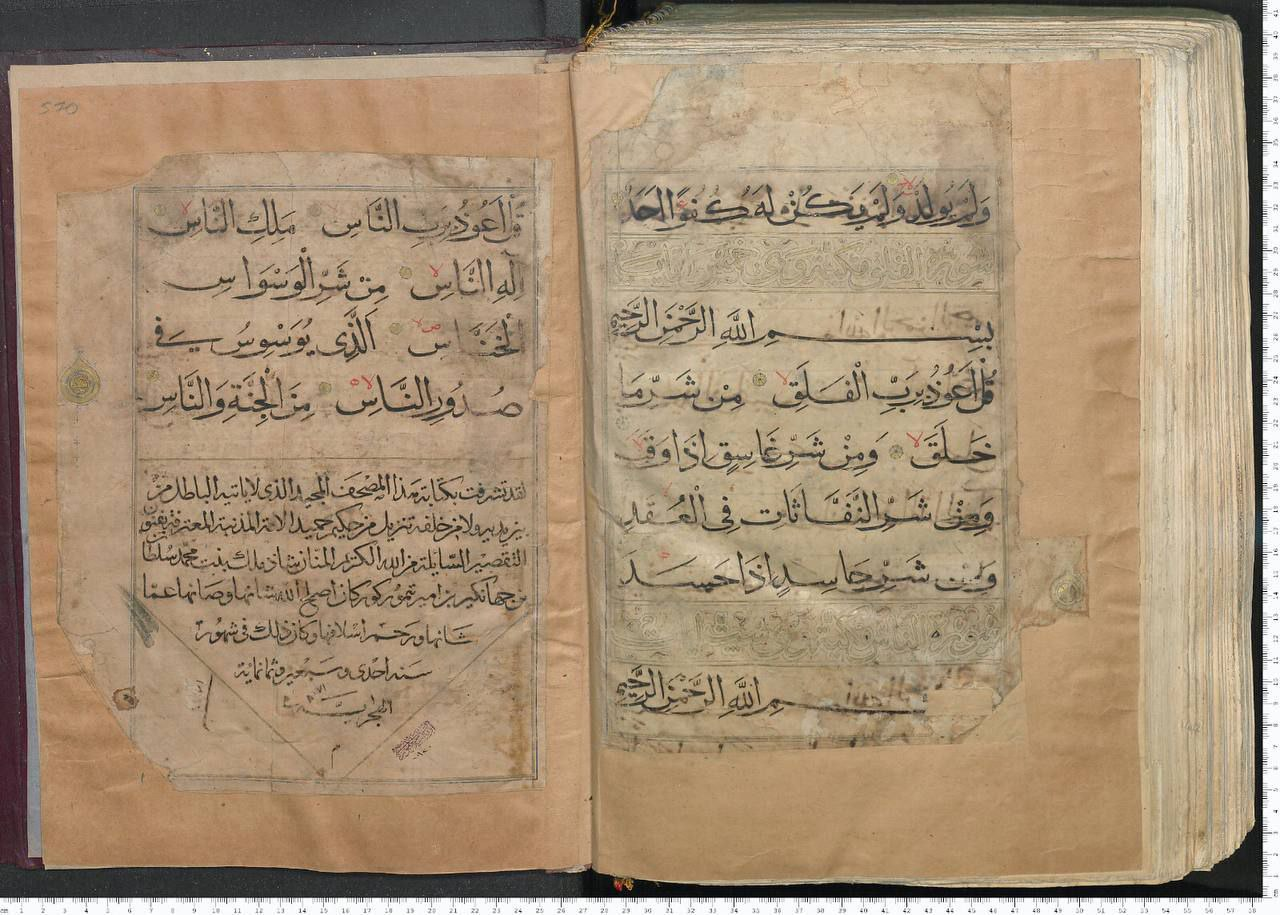
Qur’an manuscript copied by Shodmalik Khatun, Amir Temur’s great-granddaughter
Over the past year, new manuscripts related to Amir Temur and the Timurid period have also been identified. In particular, it has become known that a Qur’an manuscript copied by Shodmalik Khatun, Amir Temur’s great-granddaughter, exists in Istanbul. The exhibition also extensively highlights the role of Amir Temur’s teachers and spiritual mentors in shaping him as an enlightened ruler.
Durdona Rasulova
P.S.: The article may be republished with a link to the Center’s official website.
Most read
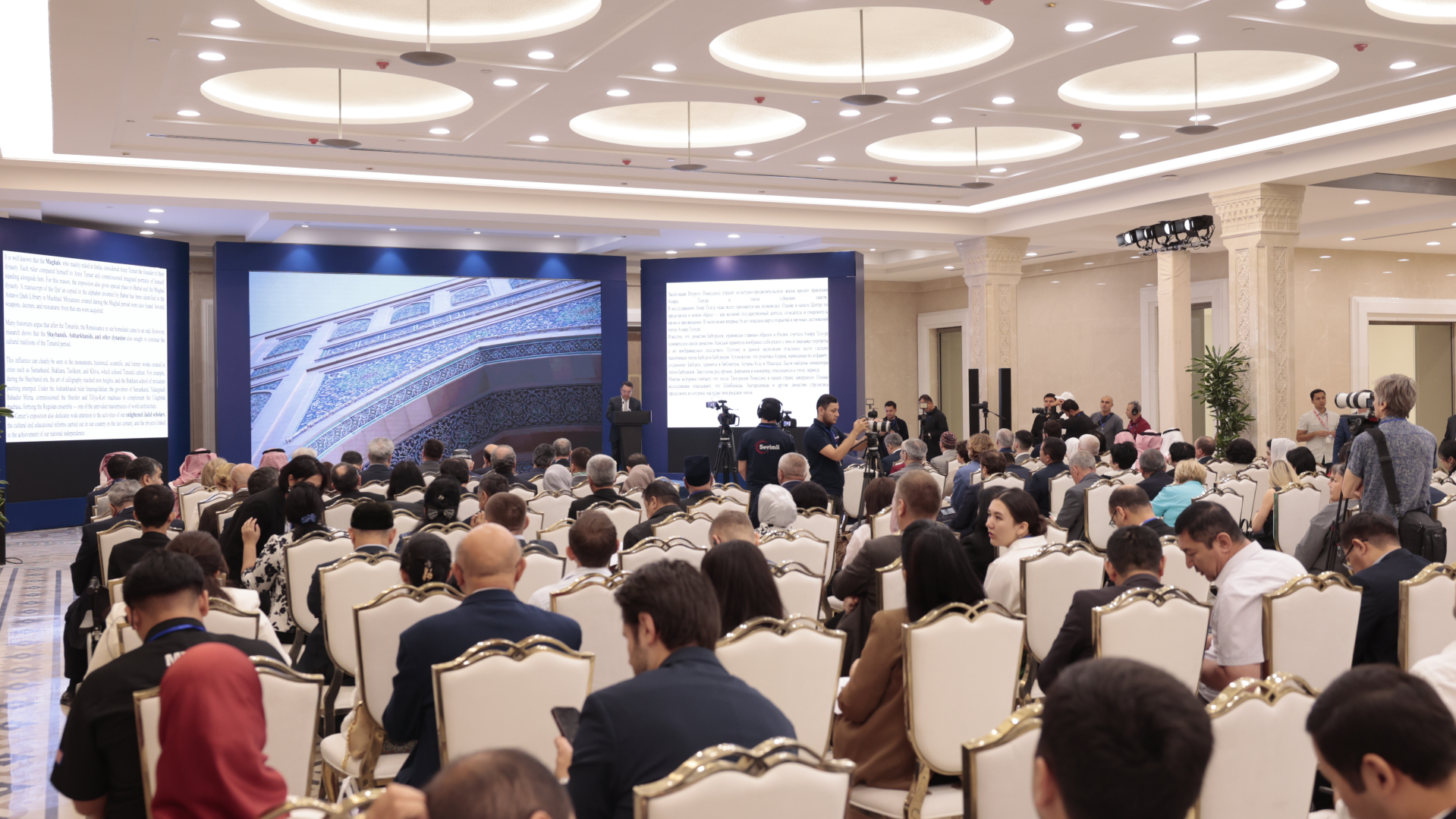
Over 100 experts from more than 20 countries of the world are in Tashkent!
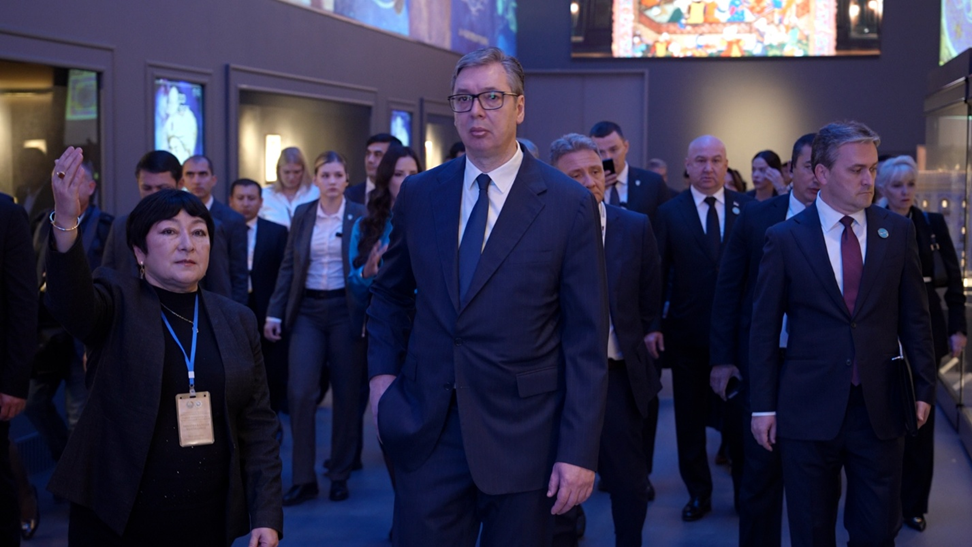
President of Serbia Aleksandar Vučić visited the Islamic Civilization Center in Uzbekistan
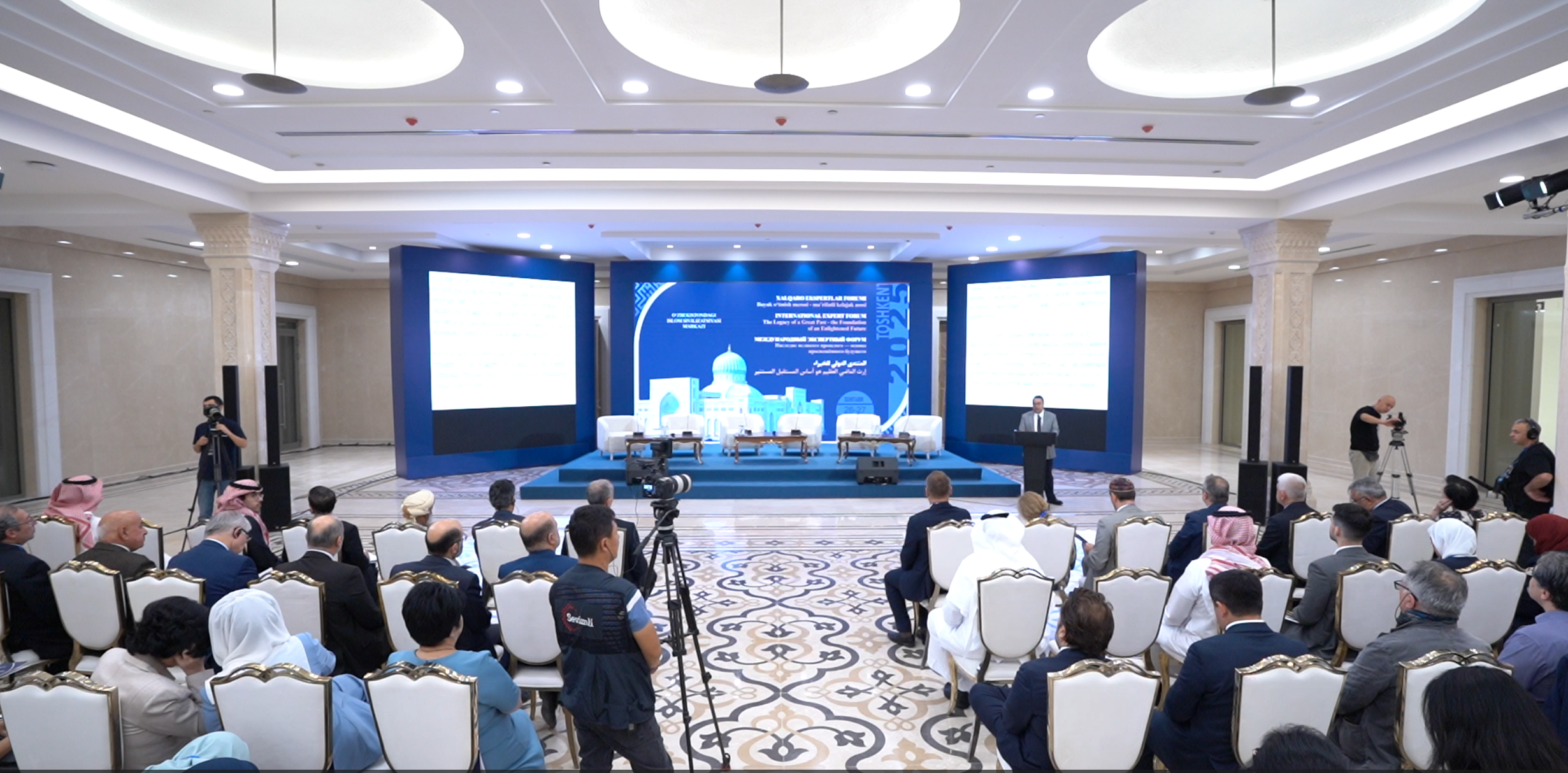
The Center for Islamic Civilization – a global platform leading towards enlightenment
