


History can be learned through play


At the Islamic Civilization Center in Uzbekistan, the legacy of great scholars and scientific discoveries is being presented in a new format through interactive games. The interactive games on the museum’s “Wall of Civilizations and Discoveries” transform history into a vivid experience, bringing young people closer to knowledge and national heritage.
The museum of the Islamic Civilization Center in Uzbekistan is a unique scientific and cultural venue that embodies nearly 3,000 years of the country’s rich history. One of the key elements of the museum exhibition is the “Wall of Civilizations and Discoveries,” which is approximately 260 meters long and 8 meters high.
One of the most important features of this exhibition is its interactive solutions aimed at conveying history in a vivid, accessible, and impactful way. In particular, interactive games have been widely introduced in the museum to engage the younger generation in direct interaction with knowledge, enlightenment, and national history. This approach helps transform the museum from a place of passive viewing into an active educational and research environment.

In particular, a special interactive game dedicated to the legacy of Abu Ali ibn Sina has been developed on the “Wall of Civilizations and Discoveries” located in the “First Renaissance Period” section. Created on the basis of historical sources and modern scientific research, the game allows visitors to virtually perform surgical procedures of that era, explore the instruments used, and follow the treatment processes. As a result, visitors feel as if they are directly participating in a historical operation.
Senior researcher of the Center, Obid Tangirov, noted the following about the content of the interactive games:
“These interactive games are dedicated to the scientific heritage of our great scholars Muhammad al-Khwarizmi, Ahmad al-Farghani, and many other thinkers. The games are designed in the form of quizzes and tests, allowing visitors to assess their knowledge of the scholars’ scientific activities and discoveries. This is especially useful for school pupils and students, helping them study historical processes in an engaging and effective way.”
Another important aspect of the interactive games is that they are designed not only for young people but also for a wide audience, including visitors interested in healthcare and medicine. For example, through interactive games dedicated to medicinal plants, visitors can learn about their healing properties, applications, and history.
Considering that guests visit the Center from various countries around the world, the interactive games are presented in Uzbek, Russian, English, Arabic, and Chinese. This enables every visitor to acquire historical knowledge in a language that is convenient for them.

Overall, the interactive games located on the “Wall of Civilizations and Discoveries” give the exhibition special depth and vitality. Along with attracting young people to the museum, they turn the process of learning history into an engaging, effective, and memorable experience, serving to promote national scientific and cultural heritage in a modern form.
Most read
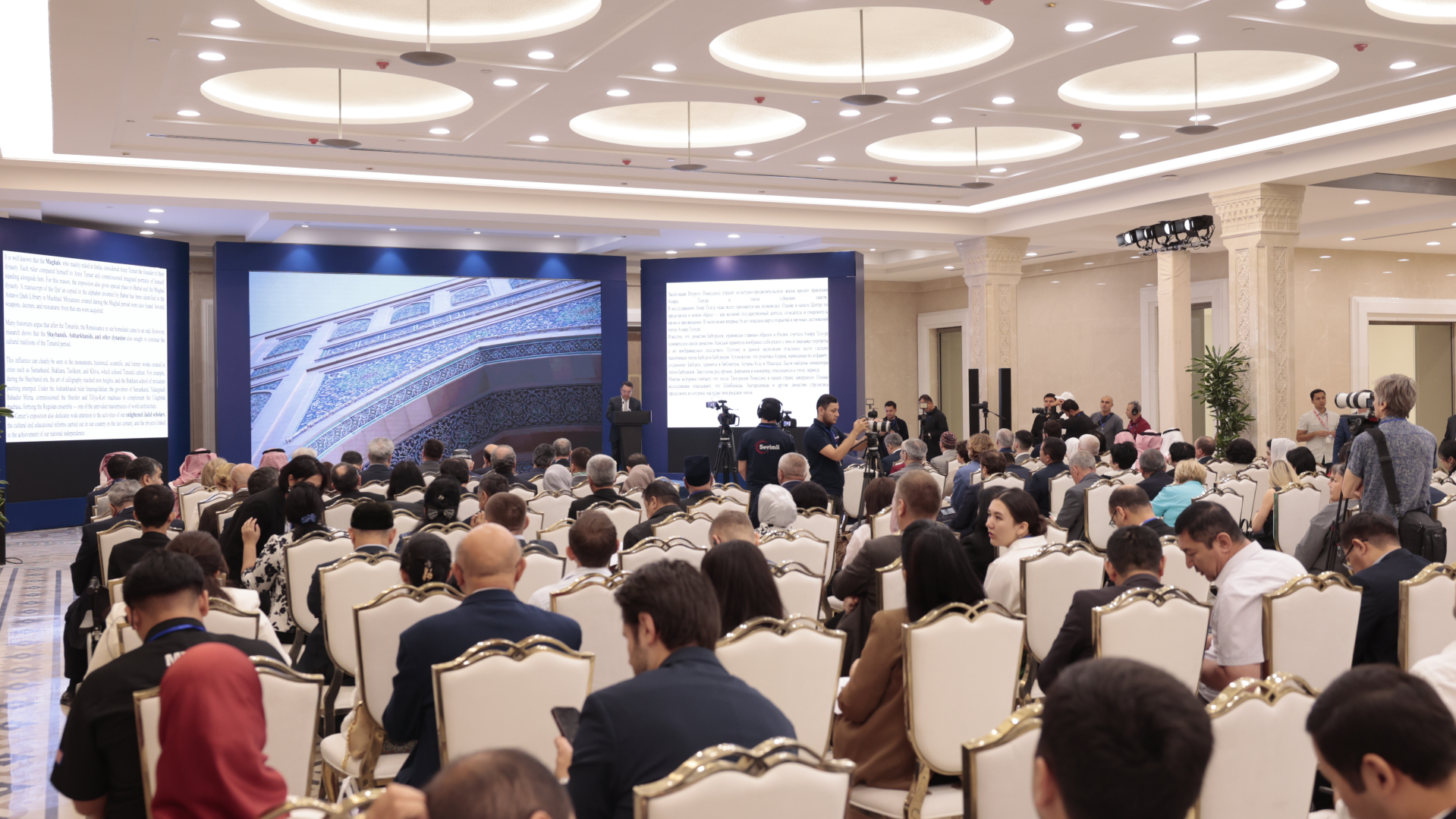
Over 100 experts from more than 20 countries of the world are in Tashkent!

President of Serbia Aleksandar Vučić visited the Islamic Civilization Center in Uzbekistan
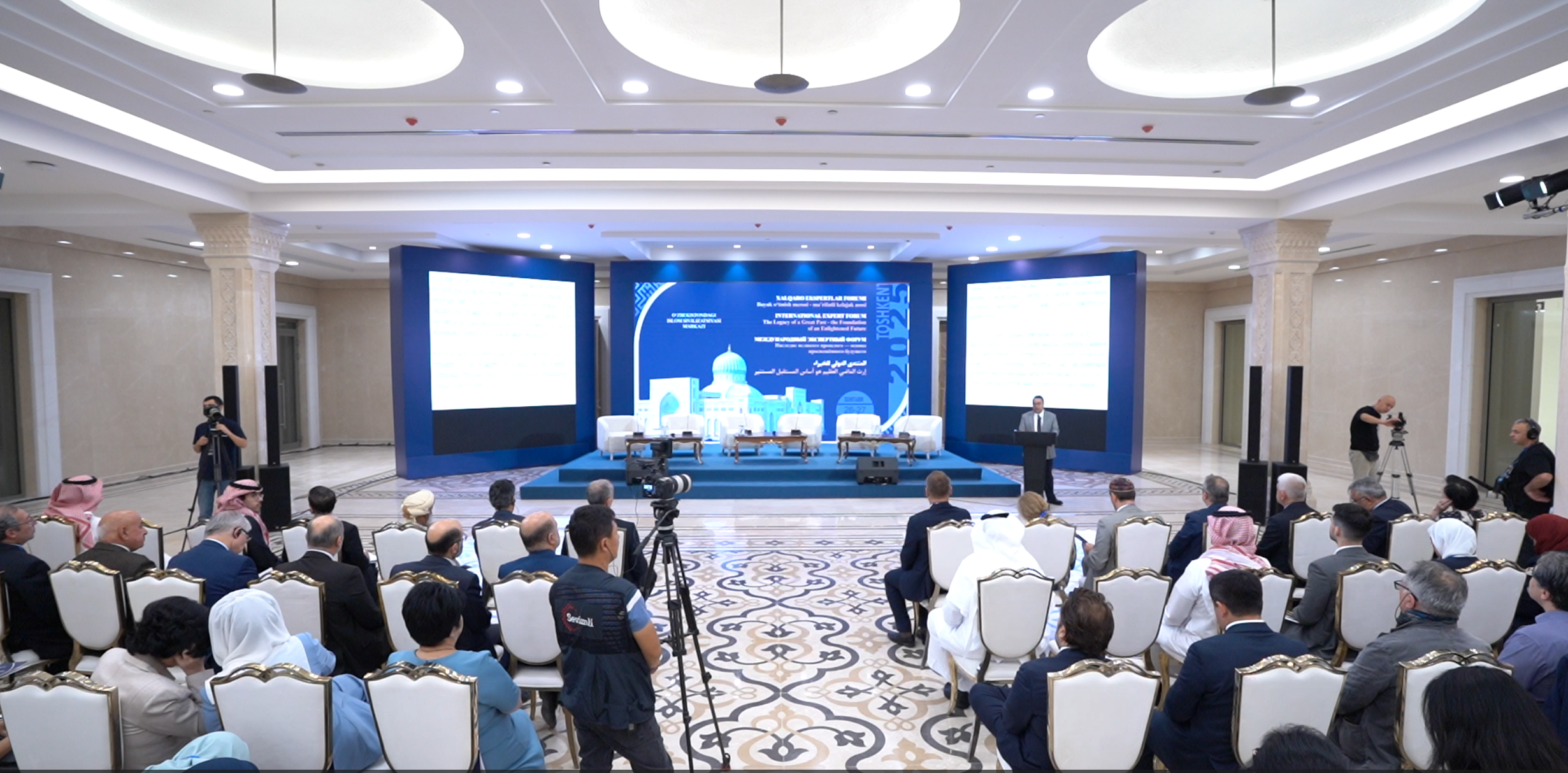
The Center for Islamic Civilization – a global platform leading towards enlightenment
