


The Prophet’s five letters: the first example of diplomatic international communication in Islamic history
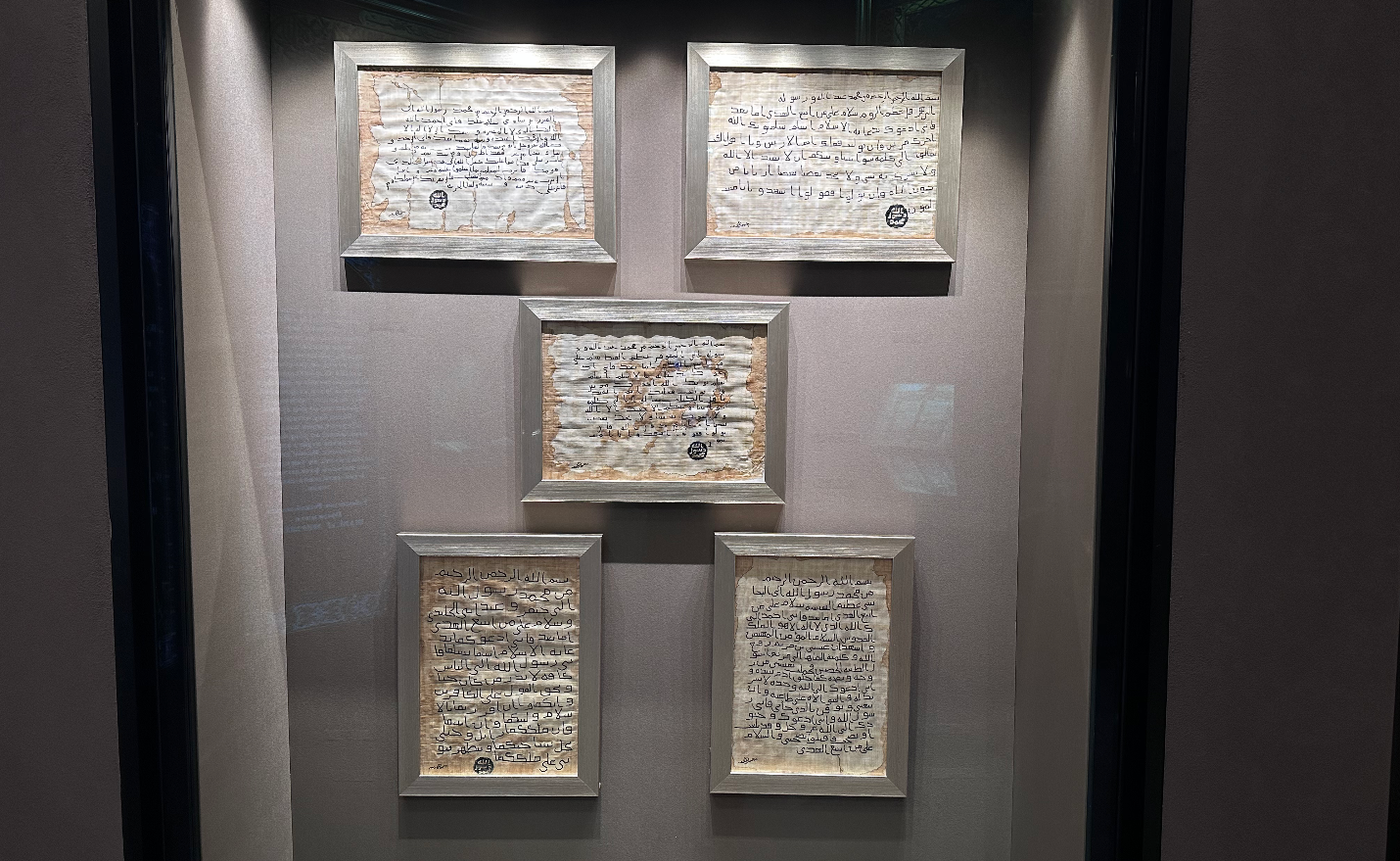
Five historical letters sent in the 7th century CE are being presented for the first time today in a single exhibition at the Islamic Civilization Center in Uzbekistan. Through the diplomatic letters sent by the Messenger of Allah (peace be upon him) to the rulers of the world, visitors become closely acquainted with the earliest examples of international communication and a policy of peace.
In the process of the spread of Islam throughout the world and the unification of humanity around the idea of tawhid belief in the One God the diplomatic letters sent by the Messenger of Allah Muhammad (peace be upon him) hold exceptional historical significance. These letters represent a vivid example of the earliest international diplomacy, political dialogue, and responsibility in Islamic history. Today, these invaluable historical documents are being presented to the wider public for the first time under a unified concept in the First Renaissance section of the exhibition at the Islamic Civilization Center in Uzbekistan.
Through this exhibition, visitors have the opportunity to closely familiarize themselves with one of the most important turning points in Islamic history the six famous letters sent by the Messenger of Allah (peace be upon him) to the rulers of the world.

The First Letter
The letter sent by the Messenger of Allah (peace be upon him) to Muqawqis, the ruler of Egypt under the Roman Empire, is one of the striking examples of Islamic diplomacy. The letter was written in Medina and delivered by the Companion Hatib ibn Abi Balta‘a.
Along with the call to Islam, the letter emphasized the ruler’s responsibility before his people and advanced the idea of inviting the People of the Book Jews and Christians to the belief in the One God. This letter belongs to the diplomatic episodes of the Medinan period and, according to many sources, dates to the 6th year of Hijra, corresponding to 627-628 CE.
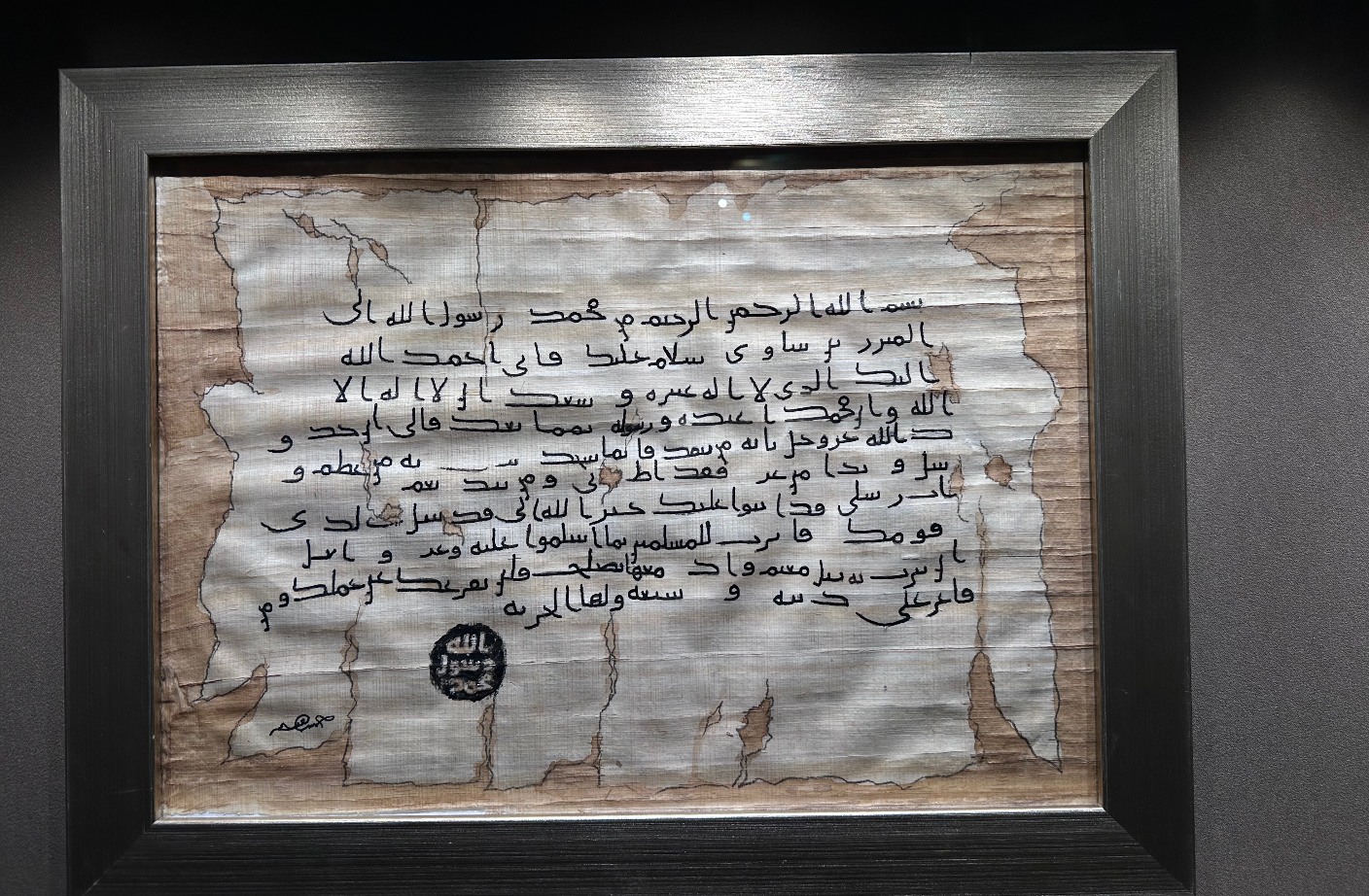
The Second Letter
In the letter sent to Mundhir ibn Sawa, the ruler of the Bahrain region, issues of social stability, religious tolerance, and justice were especially emphasized. The Messenger of Allah (peace be upon him) declared freedom of belief for Muslims.
“O People of the Book! Come, let us unite toward a single purpose. Let us worship none but Allah alone.”
As a result of this letter, delivered by the envoy al-‘Ala ibn al-Hadrami, Mundhir ibn Sawa accepted Islam, and Islamic order was peacefully established in the region.
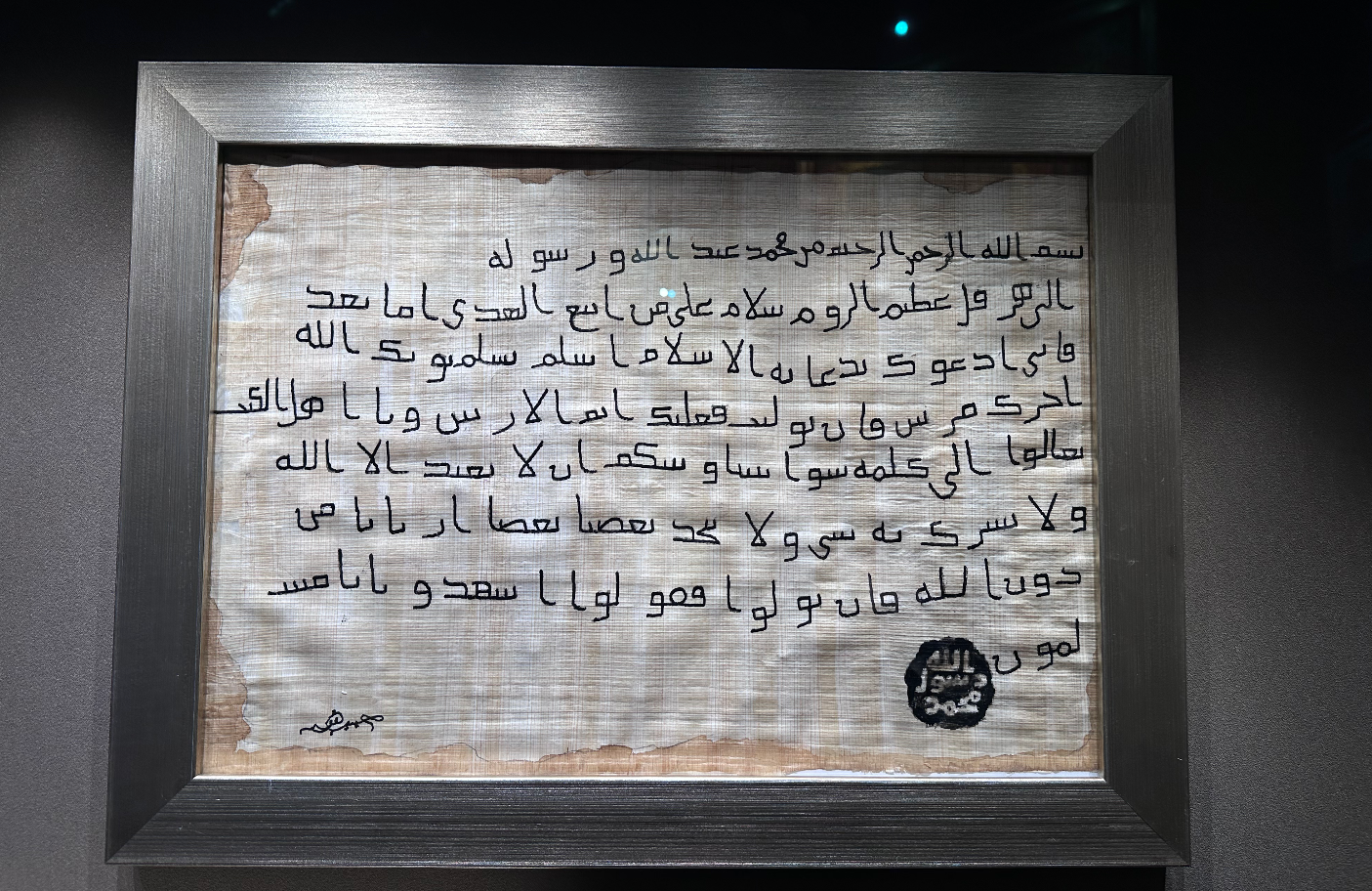
The Third Letter
In the letter addressed to the Roman (Byzantine) Emperor Heraclius, the Messenger of Allah (peace be upon him) invited him to the teachings of Islam and called the People of the Book to worship the One God. The letter emphasized religious commonality, responsibility of faith, and historical accountability.
The letter begins with the following words:
“In the name of Allah, the Most Merciful, the Most Compassionate. From Muhammad, the servant of Allah and His Messenger, to Heraclius, the Emperor of Rome. Peace be upon those who follow guidance. To proceed: indeed, I invite you to the teachings of Islam.”
According to historical sources, Heraclius was among the rulers who deeply reflected on Islam.
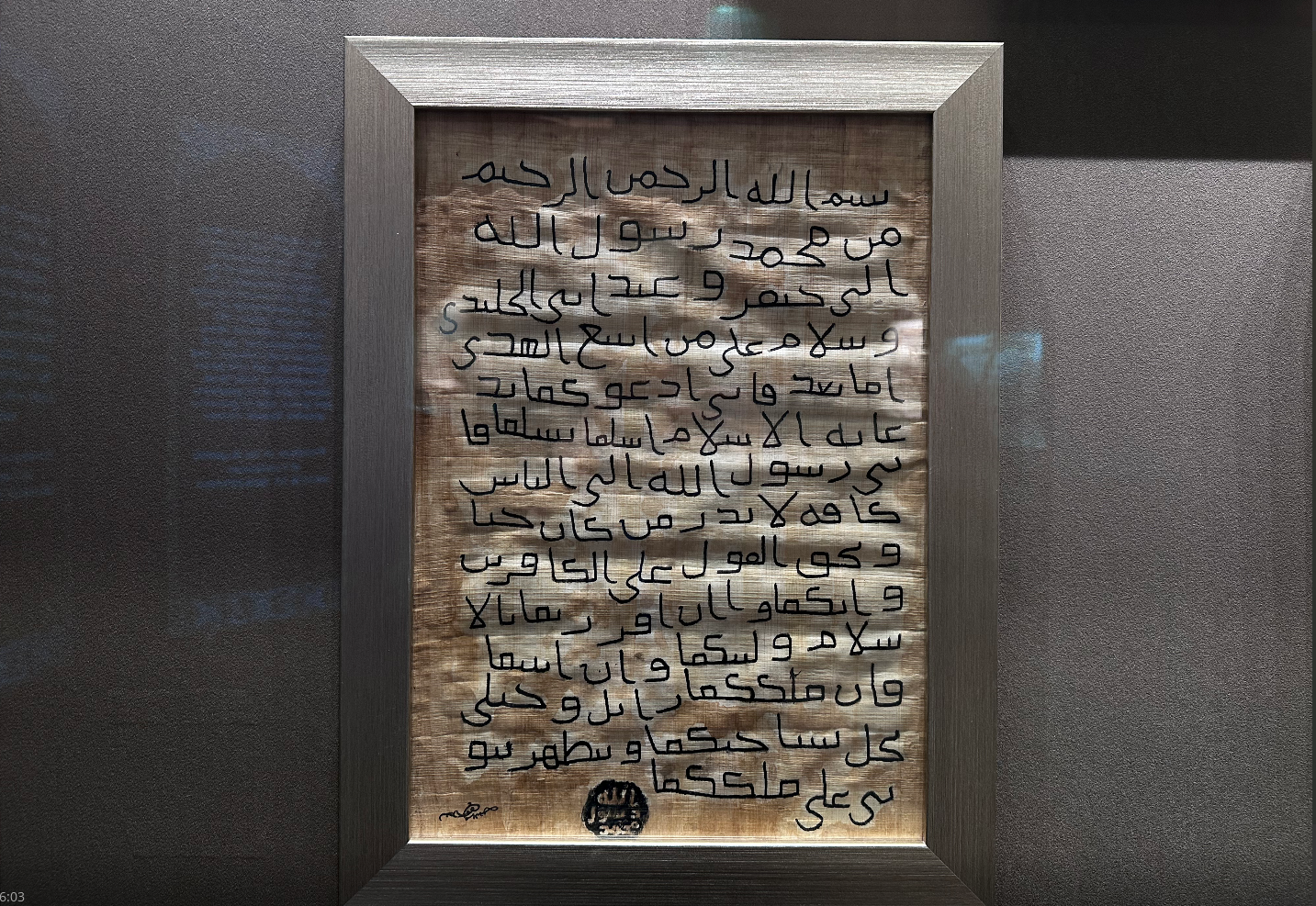
The Fourth Letter
The letter sent by the Messenger of Allah (peace be upon him) to the rulers of Oman, Jaifer and ‘Abd al-Jalandi, was written in a firm tone.
The call of the Messenger of Allah (peace be upon him) is expressed in the following words:
“I invite you to Islam. Accept Islam and you will attain salvation…”
As a result of this letter, delivered by the envoy ‘Amr ibn al-‘As (may Allah be pleased with him), the sons of al-Jalandi accepted Islam. Thereafter, the people of Oman pledged allegiance to the Messenger of Allah and joined the Islamic state.
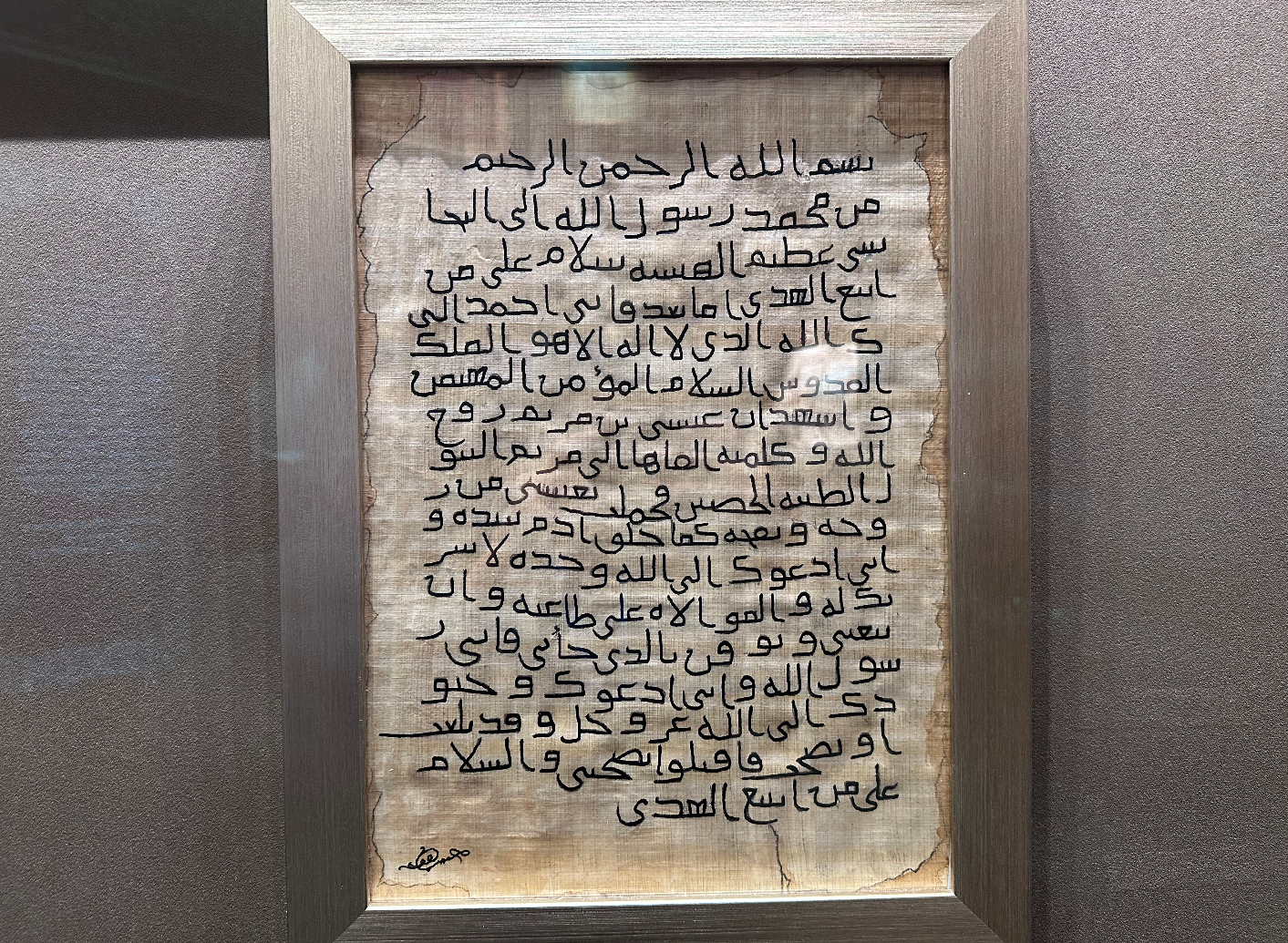
The Fifth Letter
The letter sent to the ruler of Abyssinia, the Negus (Najashi), is distinguished by its delicate theological content. It sets forth the Islamic belief regarding Jesus (peace be upon him) and Mary (peace be upon her) and conducts dialogue with the Christian ruler on the basis of shared religious values.
The letter includes the following appeal:
“I call you and your army to obedience to Allah. Accept my counsel. I wish lasting peace and safety for those who accept the guidance.”
According to the majority of hadith scholars and historians, the Negus accepted Islam. Upon receiving news of his death, the Messenger of Allah (peace be upon him) performed the funeral prayer for him in absentia in Medina. This event is recognized as an important precedent in Islamic jurisprudence.
These five letters of Muhammad (peace be upon him) laid the foundation of the first school of international diplomacy in Islamic history. They demonstrated that relations between societies can be established not through violence, but through invitation and dialogue.
Today, these letters are valued not only as religious documents, but also as an invaluable heritage in human history promoting the ideals of justice, peace, and freedom of belief.
Shahnoza Rahmonova
P.S.: The article may be republished with a reference link to the Center’s official website.
Most read

Over 100 experts from more than 20 countries of the world are in Tashkent!

President of Serbia Aleksandar Vučić visited the Islamic Civilization Center in Uzbekistan
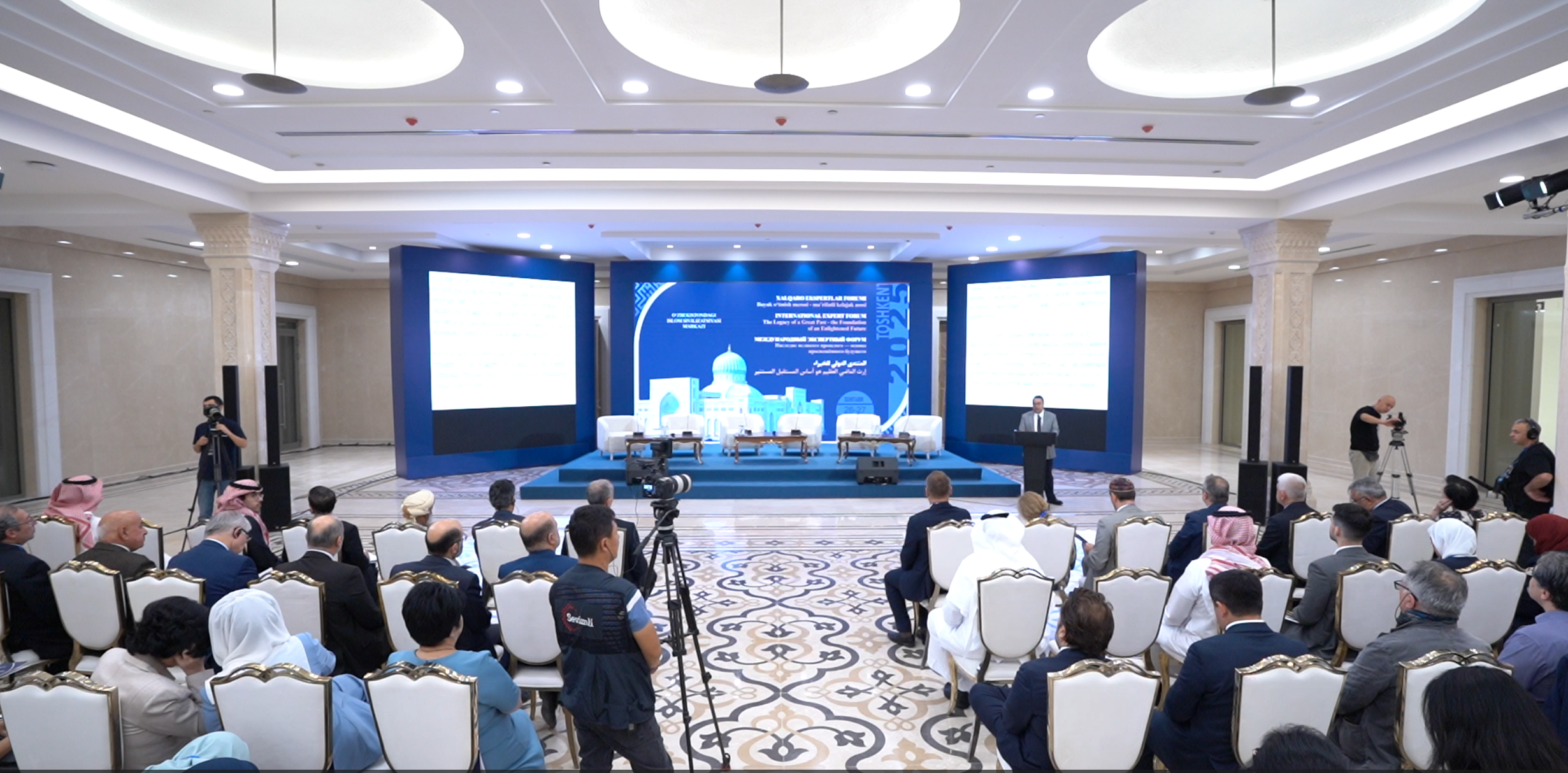
The Center for Islamic Civilization – a global platform leading towards enlightenment
