


A two-thousand-year-old smile: a Kushan prince statue found in Surkhandarya
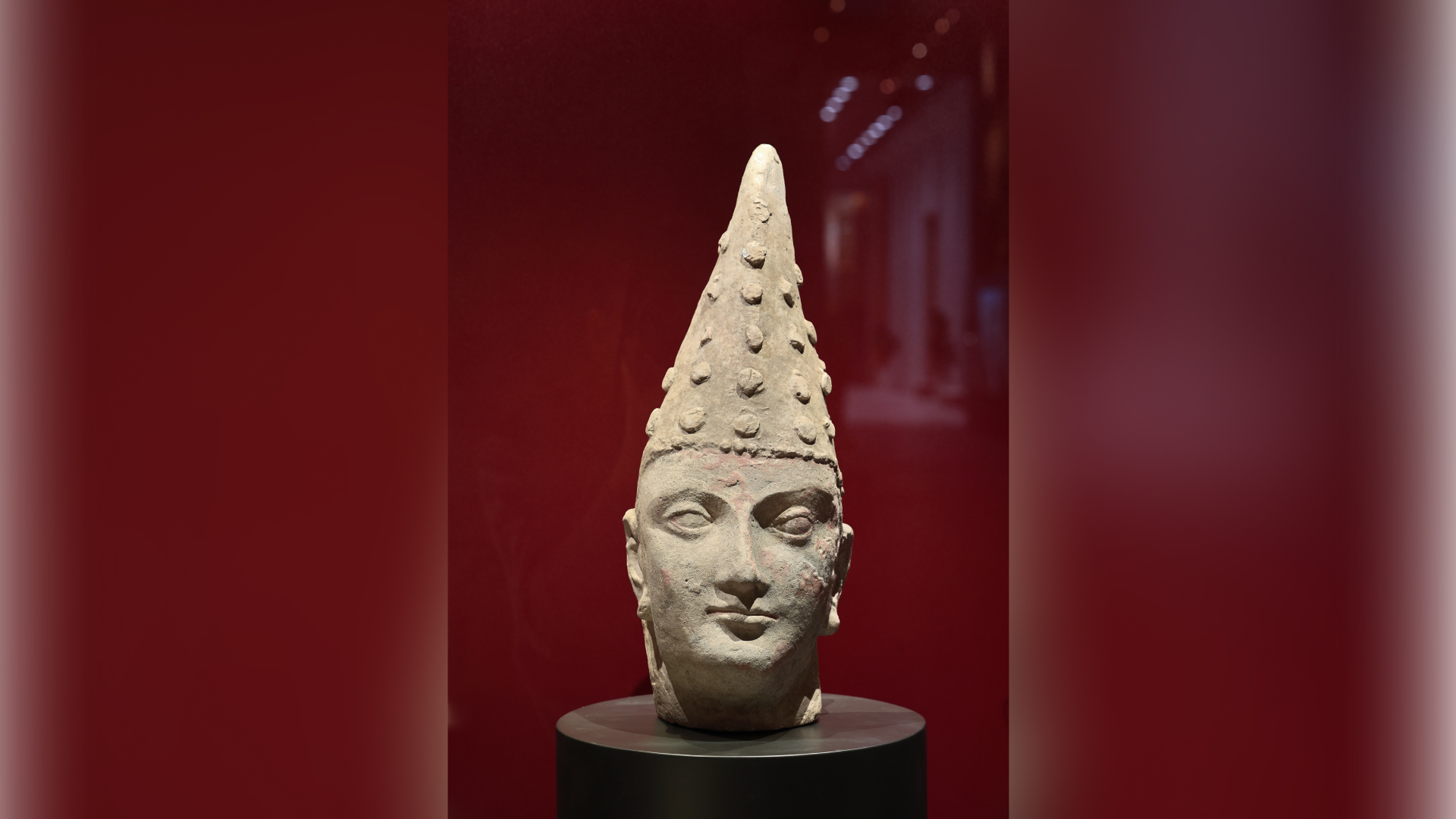
The rare statue of a Kushan prince discovered at Dalvarzintepa is not only a work of art, but also an artistic expression of political authority, the ideal human image, and the spiritual worldview of its era. Today, this archaeological find displayed at the Islamic Civilization Center in Uzbekistan illuminates the history of early statehood and artistic thought in the region.
Among the rare monuments of Kushan art that left a profound mark on the pre-Islamic history of Central Asia, the head statue of a Kushan prince holds particular significance. This unique archaeological artifact, dating to the 1st–2nd centuries CE, now occupies a worthy place in the exhibition of the Islamic Civilization Center in Uzbekistan.
According to archaeological and art-historical analyses, the statue was created during the period of Kushan dynastic rule and embodies the artistic thinking of the time, symbols of power, and the ideal human image. The find was uncovered during excavations carried out in 1967-1968 at the Dalvarzintepa archaeological site located in the Surkhandarya region. The research was conducted by the “Uzbekistan Art History Expedition” led by Academician Galina Pugachenkova of the Institute of Art Studies under the Academy of Sciences of Uzbekistan.
In the statue, the Kushan prince is depicted as a young and vigorous man. His face reflects an idealized, calm, and contemplative expression characteristic of the era. The prince wears a conical headdress adorned with decorative plaques, indicating his high social status as a member of the royal family.
According to specialists, the complex where the statue was found belonged to a Buddhist sacred structure known as the “Hall of Kings.” In this area, a number of statues and fragments depicting Buddha, Devata, and secular figures were identified, demonstrating that religious and secular art developed in close harmony during the Kushan period.
Traces of white, golden-yellow, and black pigments preserved on the surface of the statue confirm that it was originally polychrome, painted in multiple colors. In particular, the headdress was black, the decorative plaques were gilded, and the prince’s face was painted in a light red tone. This indicates that the tradition of polychromy was widespread in Kushan sculpture.
Anvar Matniyozov, a leading researcher at the Islamic Civilization Center in Uzbekistan, emphasizes the artistic value of the statue as follows:
“This statue is crafted with remarkable delicacy and high artistic mastery. The calm expression on the face of the Kushan prince is especially striking. Specialists compare it to the well-known ‘half-smile’ phenomenon in art history. It shows that the sculptor achieved a high level in expressing a person’s inner spiritual state through outward appearance.”
In addition, the depiction of hat-wearing kings on Kushan coins, including those from the reign of Vasishka I, demonstrates stylistic harmony with the image of this statue. This indicates that the sculpture is not merely an individual artwork, but an artistic representation of the symbols of statehood of its era.
Through the head statue of the Kushan prince, it is possible to draw valuable scholarly conclusions about the early traditions of statehood, symbols of power, and the history of artistic thought that developed in Central Asia. Today, this rare monument is displayed in the exhibition of the Islamic Civilization Center in Uzbekistan, presenting the region’s earliest civilizational stages to the broader public on a solid scholarly basis.
Most read
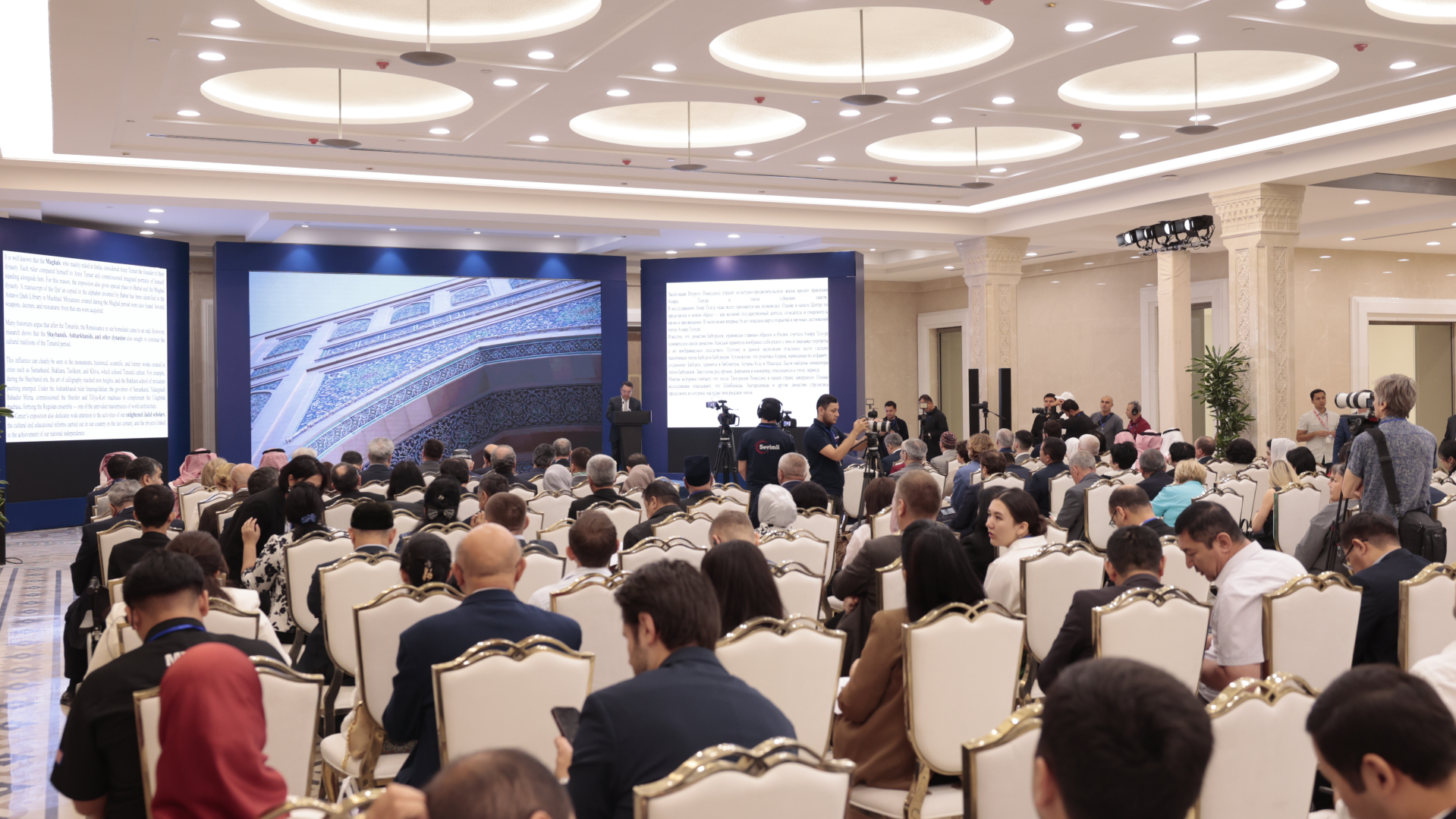
Over 100 experts from more than 20 countries of the world are in Tashkent!
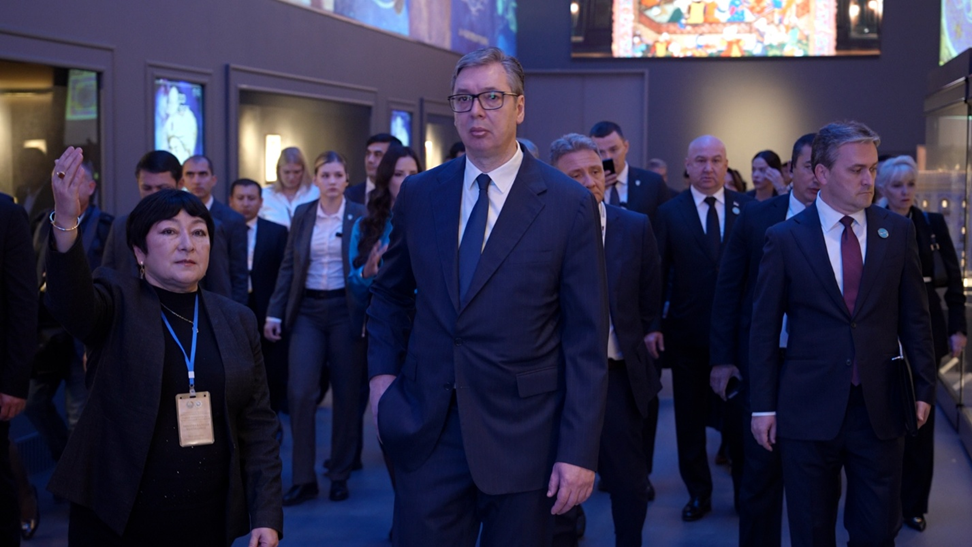
President of Serbia Aleksandar Vučić visited the Islamic Civilization Center in Uzbekistan
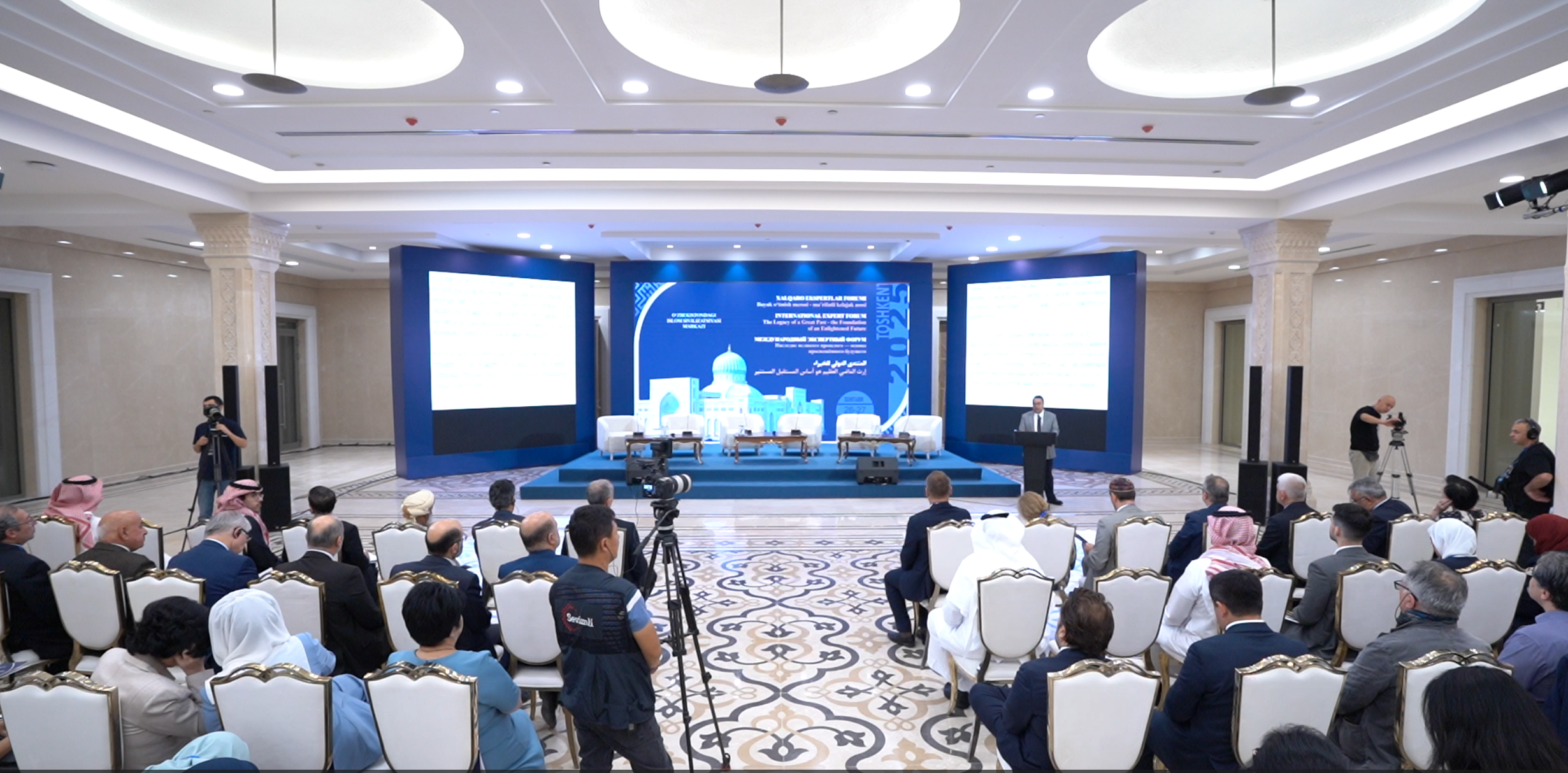
The Center for Islamic Civilization – a global platform leading towards enlightenment
