


Islamic thought and architectural flourishing: the Central Asian experience
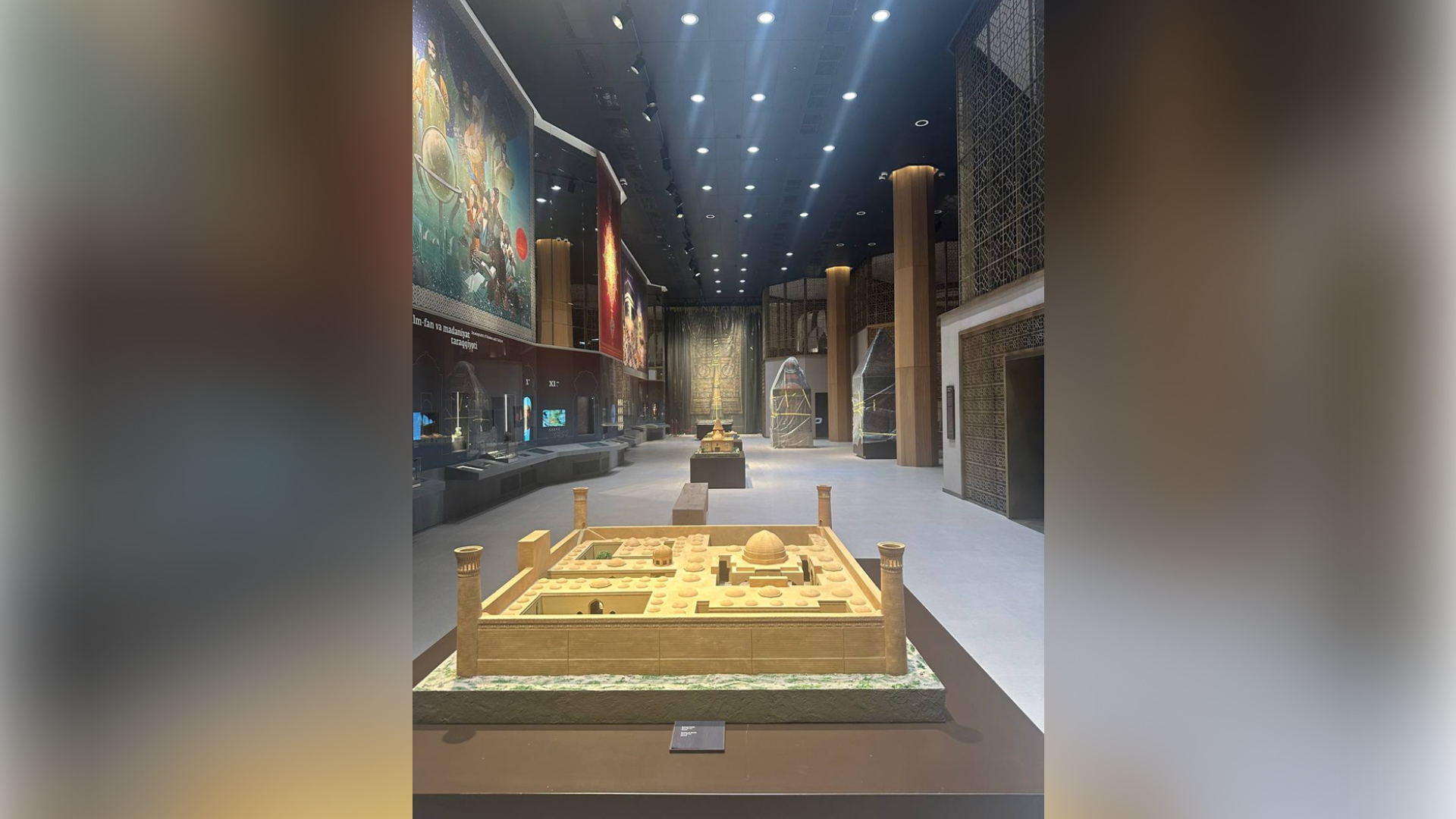
The First Renaissance shaped under the influence of Islamic civilization transformed Central Asia into a center not only of knowledge and enlightenment, but also of unique architectural achievement. From Bukhara and Samarkand to Rabati Malik in the heart of the desert, the monuments standing today embody this period of ascent in stone and brick.
Uzbekistan has experienced at least two great periods of awakening Renaissances in the course of human civilization. The first emerged after the widespread adoption of Islam in the region, when religious values harmonized with national traditions and the high intellectual potential of the people, giving rise to a distinctive and comprehensive cultural and educational flourishing in Central Asia.
During this era, science, philosophy, literature, and culture reached unprecedented levels of development in the East. This spiritual and intellectual rise was vividly reflected in architecture as well. In an atmosphere of peace and stability, supported by the patronage of local rulers toward learning and culture, cities saw the construction of mosques, madrasas, libraries, caravanserais, and pilgrimage sites. Created by architects and craftsmen who emerged from the local population, these structures achieved not only practical excellence but also high aesthetic value, earning recognition throughout the Islamic world.
Architecture of the First Renaissance period widely employed raw brick and rammed earth, with buildings adorned by lime mortars, stucco carvings, and intricate ornamental motifs. The mihrabs of certain mosques were decorated with polished bricks, carved patterns, and even gilded elements. At the First Renaissance section of the Islamic Civilization Center in Uzbekistan, the history and spiritual significance of the most outstanding architectural monuments of this era are presented to visitors.
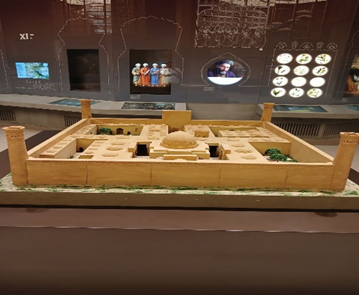 Rabati Malik Complex
The Rabati Malik complex was constructed in the late 11th-early 12th centuries by the Qarakhanid ruler Shams al-Mulk Nasr ibn Ibrahim (1068-1080). According to some historical sources, renovation works and additional structures were later added during the reign of Arslan Khan Muhammad ibn Sulayman (1102-1130). Initially, Rabati Malik was not built as a commercial caravanserai, but functioned as a major political, military, and economic center in the Chol Malik area.
From the 13th century onward, in connection with the Mongol invasions and the operation of the Great Silk Road, it began serving as a caravanserai. By the 20th century, the monument suffered severe damage, particularly as a result of the 1966 earthquake, which destroyed a significant portion of the structure. Today, the Rabati Malik complex and the adjacent Sardoba structure are included in UNESCO’s Tentative List under the nomination “Silk Roads: Zarafshan-Karakum Corridor.”
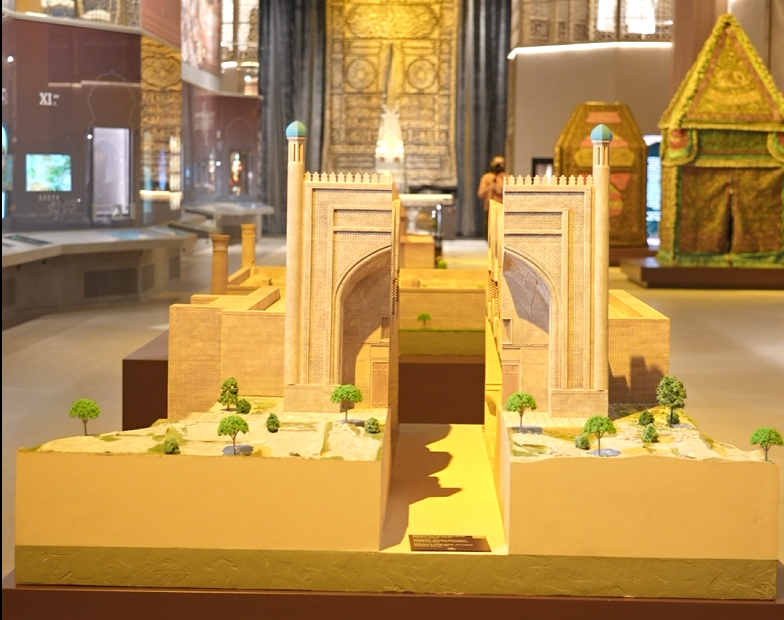
Magoki Attori Mosque
Located in the city of Bukhara, the Magoki Attori Mosque is one of the oldest religious and architectural monuments dating to the 9th-10th centuries. Researchers believe that the mosque was built on the site of a pre-Islamic place of worship, possibly a Zoroastrian “moh” (moon) temple. The name “Magoki” derives from Persian-Tajik meaning “situated in a depression,” while “Attori” refers to the nearby market where medicinal herbs, spices, and perfumes were traded. Throughout history, the mosque was rebuilt several times due to fires and the gradual rise of ground levels. Major restoration work was carried out in the 12th century. In the 16th century, although Bukhara ruler Abdullaziz Khan planned to demolish the mosque, this action was halted by the Naqshbandi leader Shaykh Mahmudiy A‘zam. Today, the Magoki Attori Mosque functions as a museum and is included in the UNESCO World Heritage Site “Historic Centre of Bukhara.”
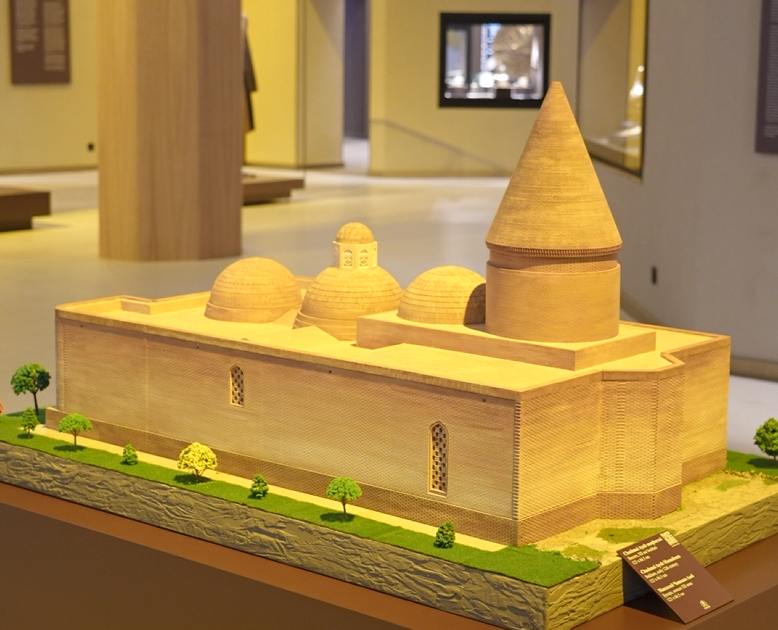
Chashmai Ayyub Mausoleum
The Chashmai Ayyub Mausoleum, located in Bukhara, is one of the ancient pilgrimage sites of profound spiritual significance. It is believed to have been originally built in the early 12th century during the Qarakhanid period. Later, in the 14th century under Amir Timur, it was restored and expanded with additional structures over the well and spring. The mausoleum has a rectangular plan, with a spring and well inside. This water has long been regarded as pure and healing. The conical dome above the well was constructed in the 14th century by Khwarazmian craftsmen. According to legend, the spring emerged at this very spot when the Prophet Ayyub struck the ground with his staff. Pilgrimage and the tradition of collecting spring water continue to this day.
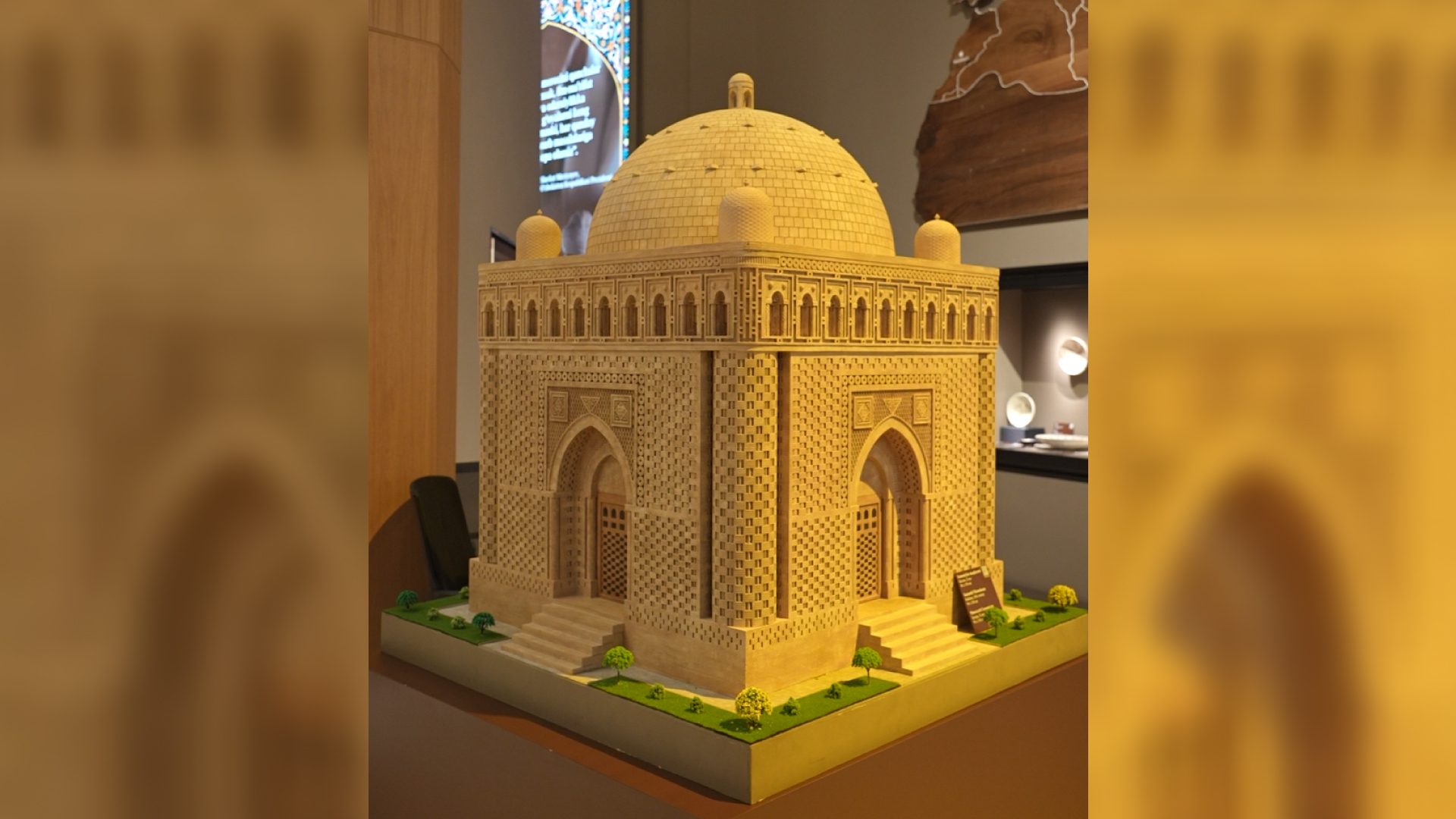
Samanid Mausoleum
The Ismail Samani Mausoleum dates to the late 10th century and is one of the oldest and most refined examples of Islamic architecture in Central Asia. It was commissioned by Ismail Samani, founder of the Samanid dynasty, in memory of his father Ahmad ibn Asad. Ismail Samani himself and his descendants were later buried there as well. The monument represents a harmonious synthesis of ancient Sogdian architectural traditions and Islamic architectural principles, demonstrating the high level of the local architectural school. Beyond its historical and architectural importance, the Samanid Mausoleum symbolizes Bukhara’s status as a center of science and culture and is included in the UNESCO World Heritage List.
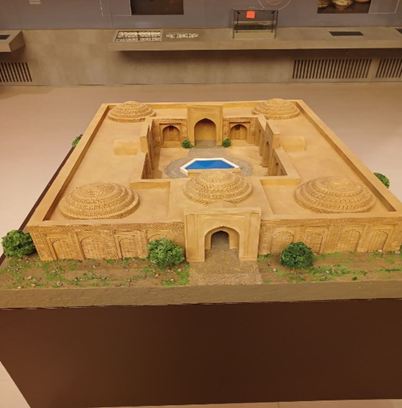 Qusamiya Madrasa
The 11th-century Qusamiya Madrasa holds a significant place in the history of the Samarkand architectural school. According to Abu Tahirkhoja’s work Samariya, the madrasa was located in the Bani Nojiya area today’s Shah-i Zinda complex and was commissioned by the Seljuk ruler Sultan Sanjar (1118-1157). Archaeological excavations have shown that by the 11th century, the courtyard-and-iwan madrasa layout had fully formed in Samarkand, and this architectural model remained fundamental in later centuries. The architect of the Qusamiya Madrasa skillfully applied the principle of perfect proportion, known as the “golden ratio.” This madrasa served as a universal architectural prototype for madrasas built between the 15th and 17th centuries, making it invaluable for the study of the Samarkand architectural tradition.
In conclusion, the First Renaissance represents a historical phase in which Islamic civilization, national values, and high intellectual potential converged on the territory of present-day Uzbekistan. The mosques, madrasas, caravanserais, and pilgrimage sites constructed during this period have left an indelible mark on the country’s history, not only through their architectural merit but also through their spiritual and educational significance. Today, this unique heritage is presented to the wider public through the Islamic Civilization Center in Uzbekistan, serving as a vital spiritual bridge connecting past and present, historical thought and contemporary development.
Most read
Over 100 experts from more than 20 countries of the world are in Tashkent!
President of Serbia Aleksandar Vučić visited the Islamic Civilization Center in Uzbekistan
The Center for Islamic Civilization – a global platform leading towards enlightenment
