


Where is the unique collection of the East printed in European printing houses preserved?

Nearly 5,000 rare books donated by the philanthropist Alisher Usmanov are transforming the library of the Islamic Civilization Center in Uzbekistan into a major scholarly resource. This collection highlights the close interconnection between Eastern and Western scholarship.
Established on the initiative of President Shavkat Mirziyoyev, the library of the Islamic Civilization Center in Uzbekistan is steadily taking shape today as an important source for academic research.
The rare books and historical publications being accumulated in the library’s holdings make it possible to conduct in-depth study and analysis of the scientific heritage created by our ancestors. By virtue of its content and scope, this collection is significant for bringing together in one place essential sources for researchers.

The collection consists of nearly 5,000 rare books donated by Alisher Usmanov. This assemblage includes works that illuminate the historical ties between Eastern and Western scholarship and covers publications dating from the period after the thirteenth century. The collection contains works on medicine, astronomy, mathematics, history, and philosophy. A large proportion of the books were printed in Europe, offering insight into how scholarly works created in the East were read and studied within the Western academic environment. These publications clearly demonstrate the role of the heritage of Eastern scholars in the universal development of science.
At present, this valuable collection is housed on special shelves in the library of the Islamic Civilization Center in Uzbekistan. Particular attention is being paid to the preservation, systematic arrangement, and conservation of the books. This serves to create favorable conditions for their future scholarly use. A special place within the collection is occupied by early printed books produced in Europe in the fifteenth and sixteenth centuries. This period is characterized by the transition in book production from manuscript to print. It was precisely this historical stage that facilitated the wide entry of many scientific works created in the East into European scholarly circles.
Commenting on the collection, Ravshan Khudoyberganov, Doctor of Philosophy in History and senior research fellow at the Islamic Civilization Center in Uzbekistan, stated:
“The earliest printed books of Eastern thinkers published in Europe reflect a crucial stage in the development of science. Through these editions, it is possible to obtain precise information about the dissemination and study of scientific works created in the East within the West. These books demonstrate that the scholarly heritage of Central Asian thinkers occupied a solid place in European science. These publications remain reliable and important sources for contemporary research as well.”

The collection includes works by great scholars such as Ibn Sina, al-Biruni, al-Farghani, and al-Khwarizmi, as well as Latin editions of their writings. In particular, historical sources note that Ibn Sina’s Canon of Medicine was used for many years as a principal textbook at European universities.
Currently, efforts are underway in the library to register the collection, systematize it by subject, and in subsequent stages to digitize it. These processes are aimed at ensuring effective use of the books and making them accessible to the wider scholarly community.
Most read
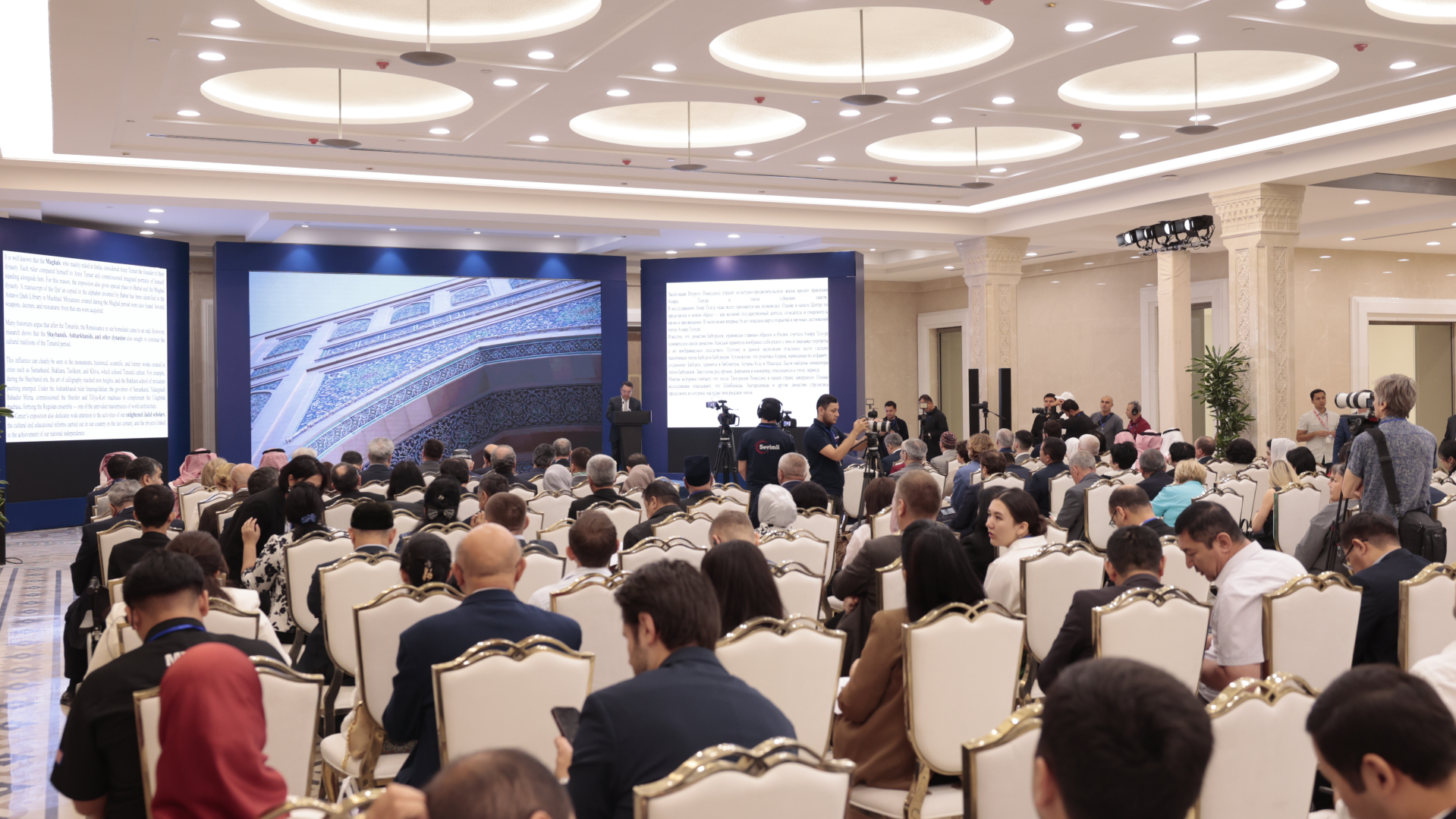
Over 100 experts from more than 20 countries of the world are in Tashkent!

President of Serbia Aleksandar Vučić visited the Islamic Civilization Center in Uzbekistan
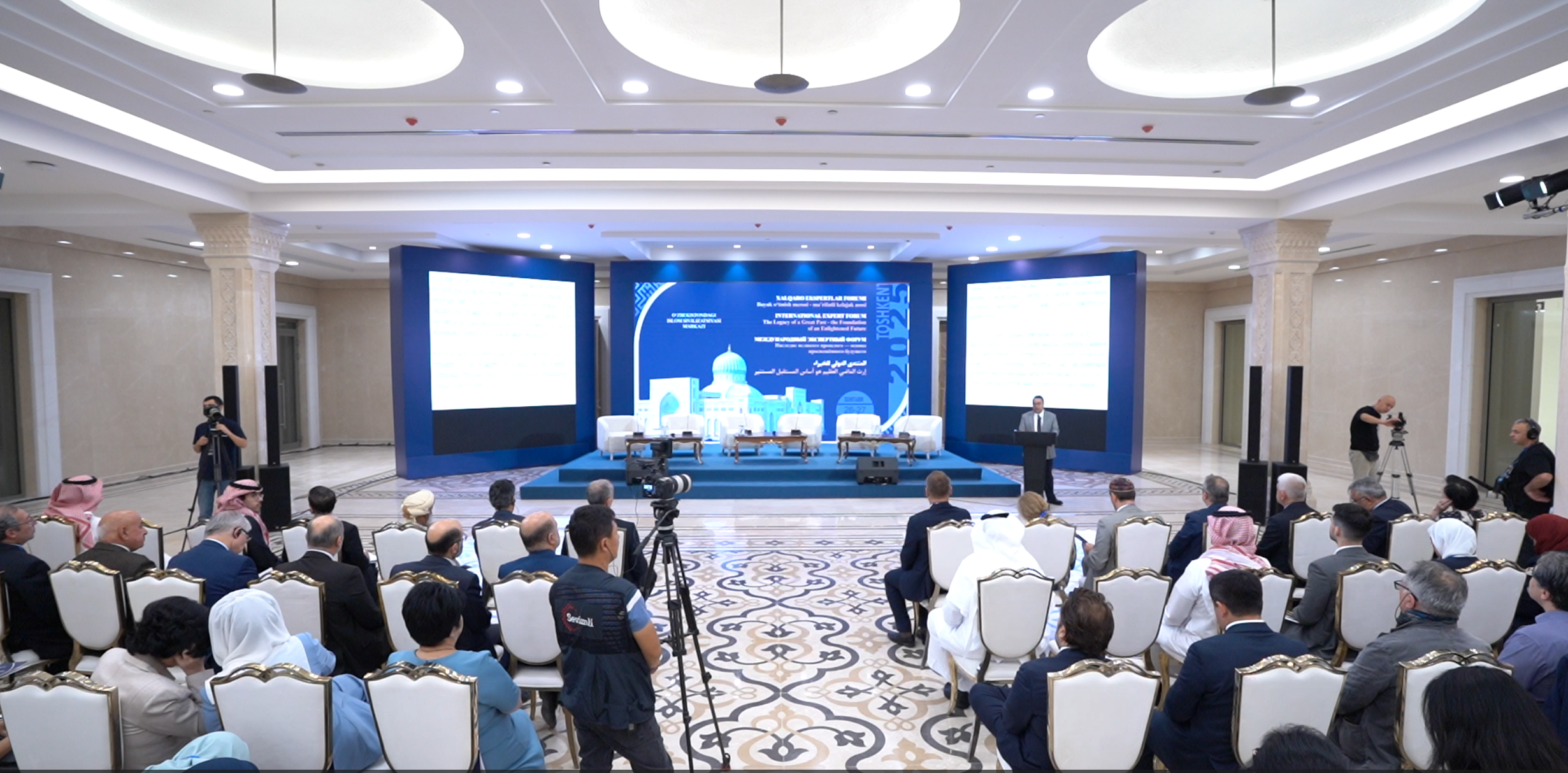
The Center for Islamic Civilization – a global platform leading towards enlightenment
