


Work on creating Uzbekistan’s first historical and cultural atlas has entered its final stage
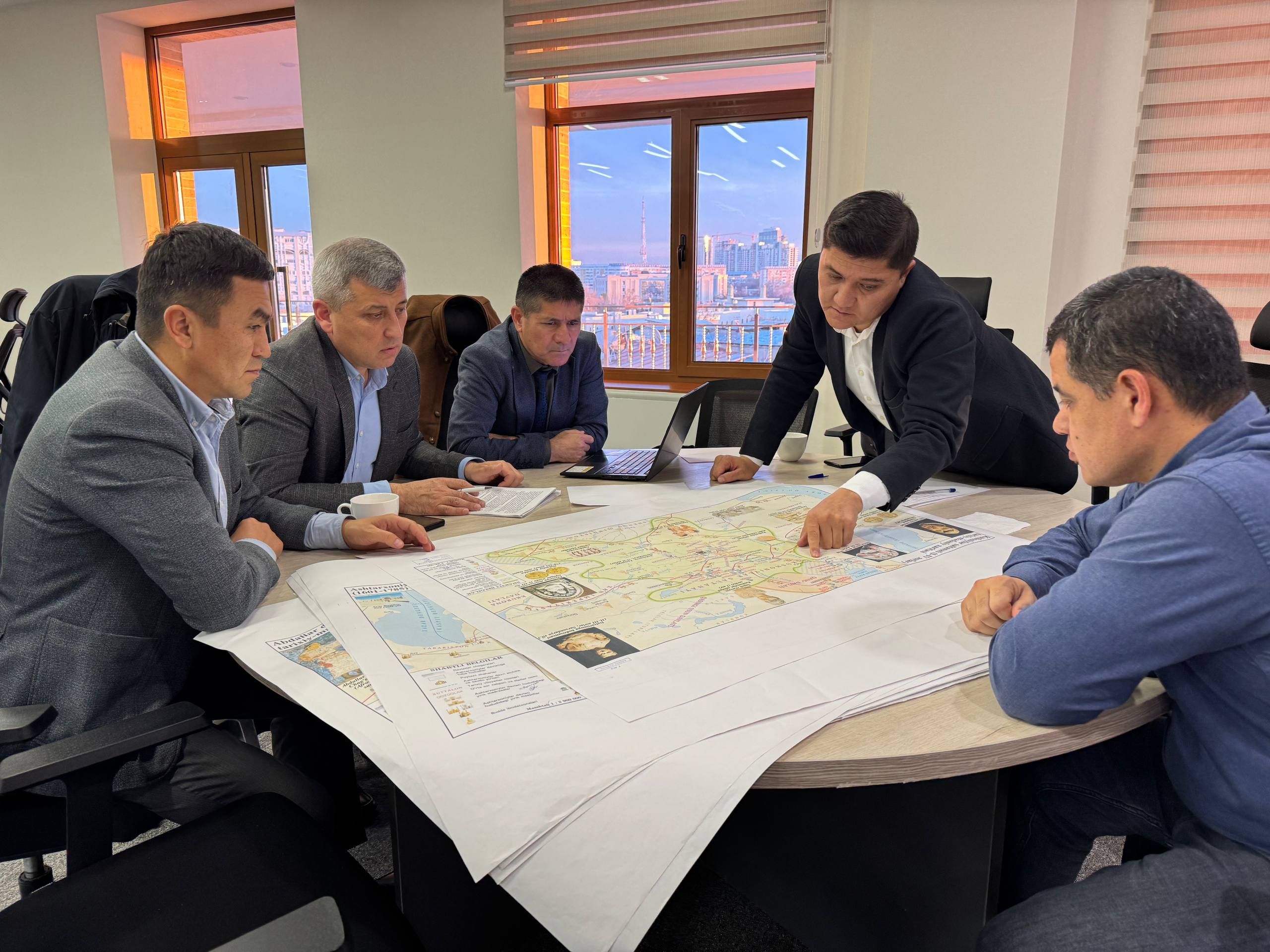
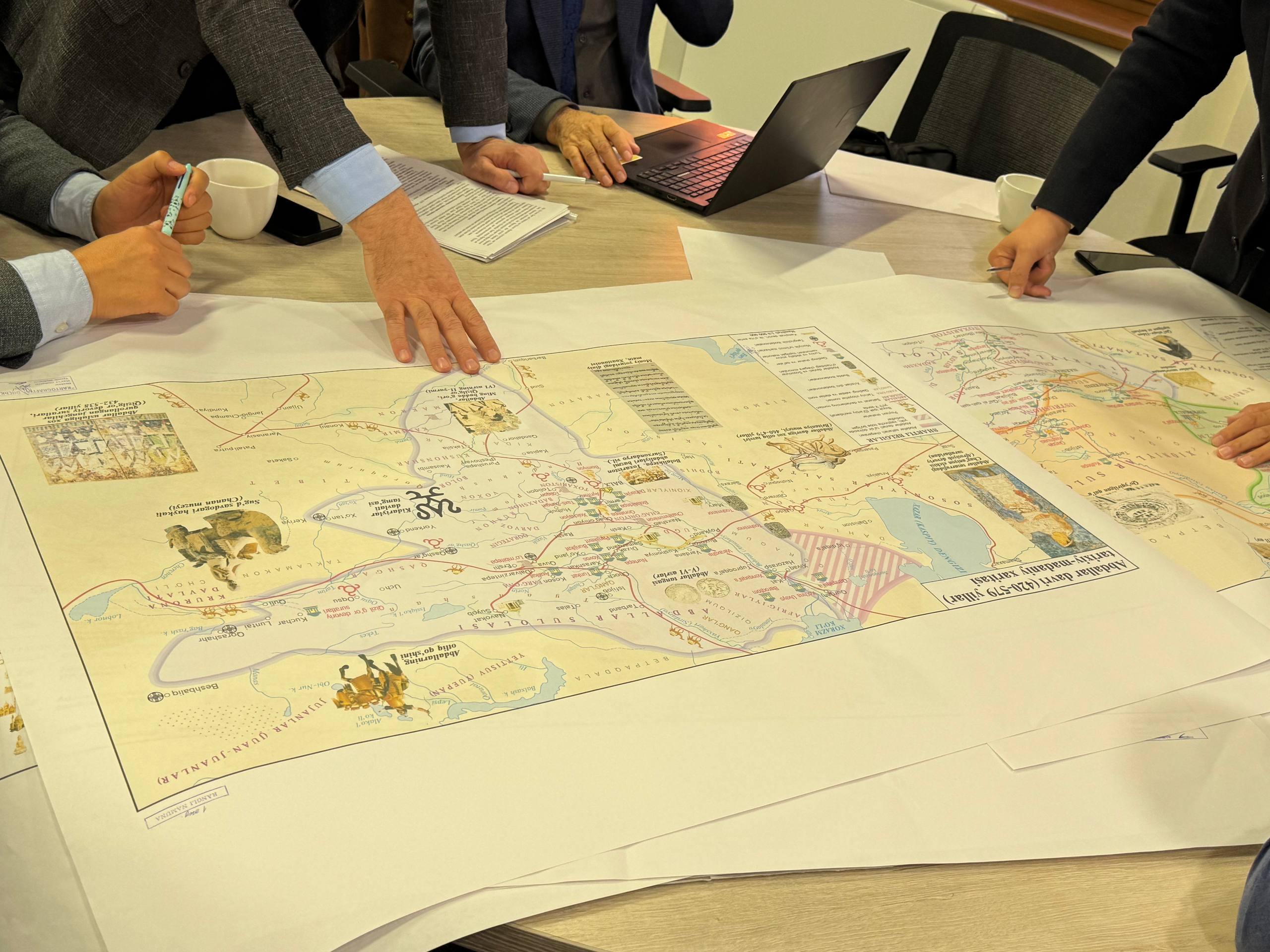
For the first time in the history of Uzbekistan, a historical and cultural atlas of the country is being created. This atlas is being developed on the basis of the territorial boundaries of dynasties that existed in the past, presenting political and cultural processes in an integrated manner and structured according to dynastic periods.
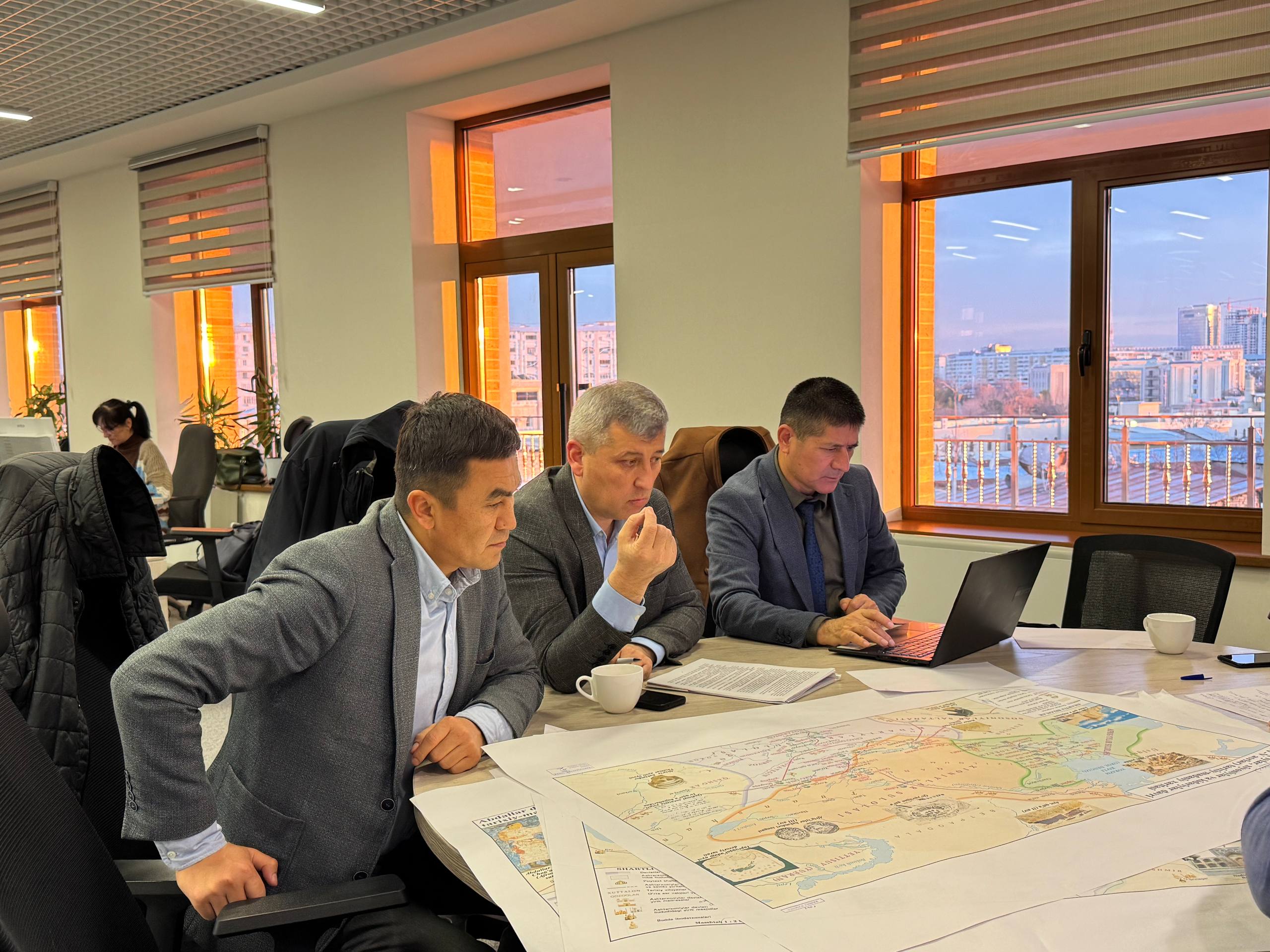
This project is being implemented on the basis of 39 political and cultural maps prepared for the museum exposition of the Islamic Civilization Center in Uzbekistan. The maps cover historical stages from the Stone Age to the twentieth century and have been developed by dynasties, cultural centers, trade routes, and historical monuments.
At present, the main part of the atlas has been formed, and final discussions are being held with the participation of scholars and field specialists.
Through these maps, the political landscape of the ancient land of Turan, interethnic relations, trade routes, and cultural centers are clearly illustrated. In particular, Paleolithic caves, Bronze Age cultures, and the regions of Bactria, Sogdiana, Khwarazm, and Fergana are depicted on separate maps. Subsequent stages cover the periods of the Kushans, the Turkic Khaganate, the Hephthalites, and the Uzbek khanates.

During the discussions, the issue of preparing separate scientific explanations and commentaries for each historical and cultural map in the atlas was also considered. It was noted that these explanations would provide detailed accounts of the maps’ concepts, content, scholarly approaches, and principles of formation, serving to give clear and well-grounded answers to potential future questions.
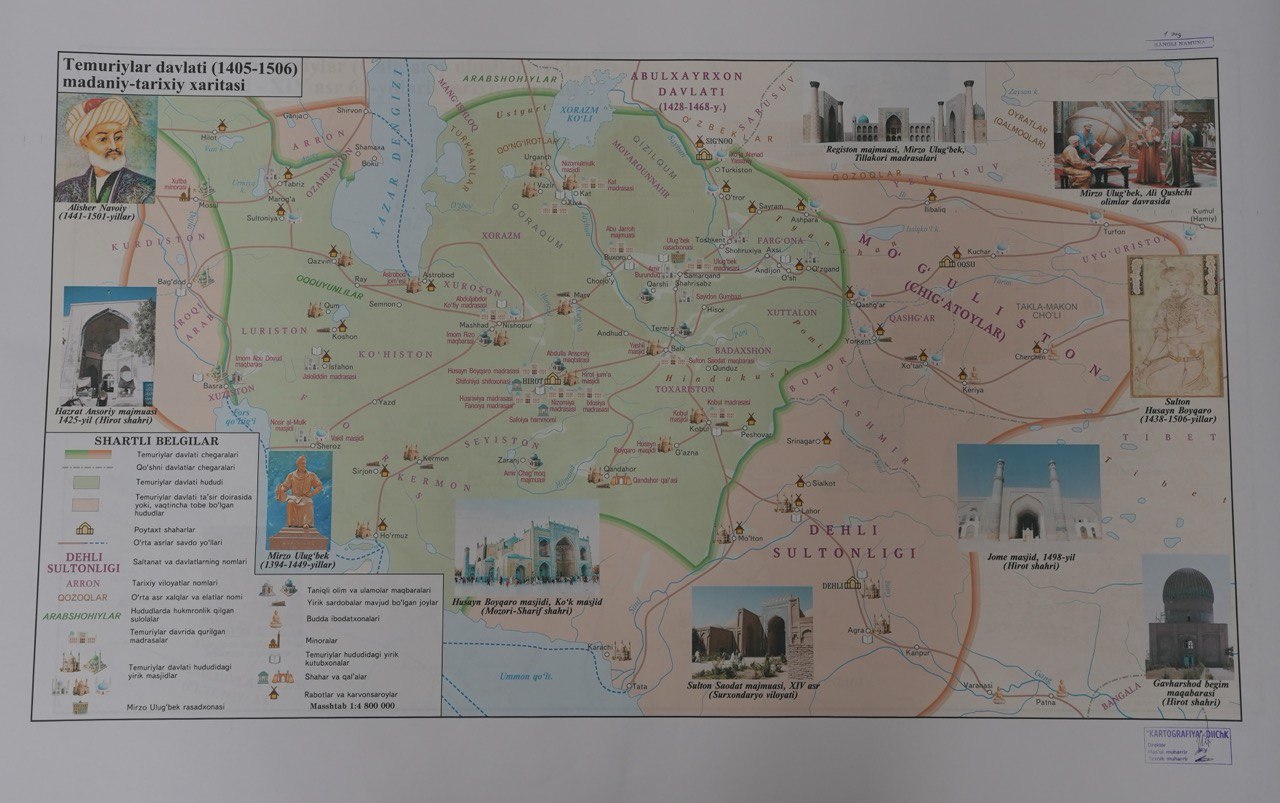
According to specialists, working with historical maps is a complex process rich in debate and discussion. In particular, an intensive exchange of views took place regarding the map of the Samanid period, with a number of proposals put forward to more comprehensively cover the territories and accurately reflect period-specific findings on the map. It was also emphasized that the maps should avoid leaving empty spaces and instead focus on the main dynasties and cultural regions.
This project is considered the first atlas-based study in Uzbek historiography to comprehensively integrate historical and cultural processes. It is expected to become an important resource not only for museum visitors but also for scholars conducting academic research.
Most read
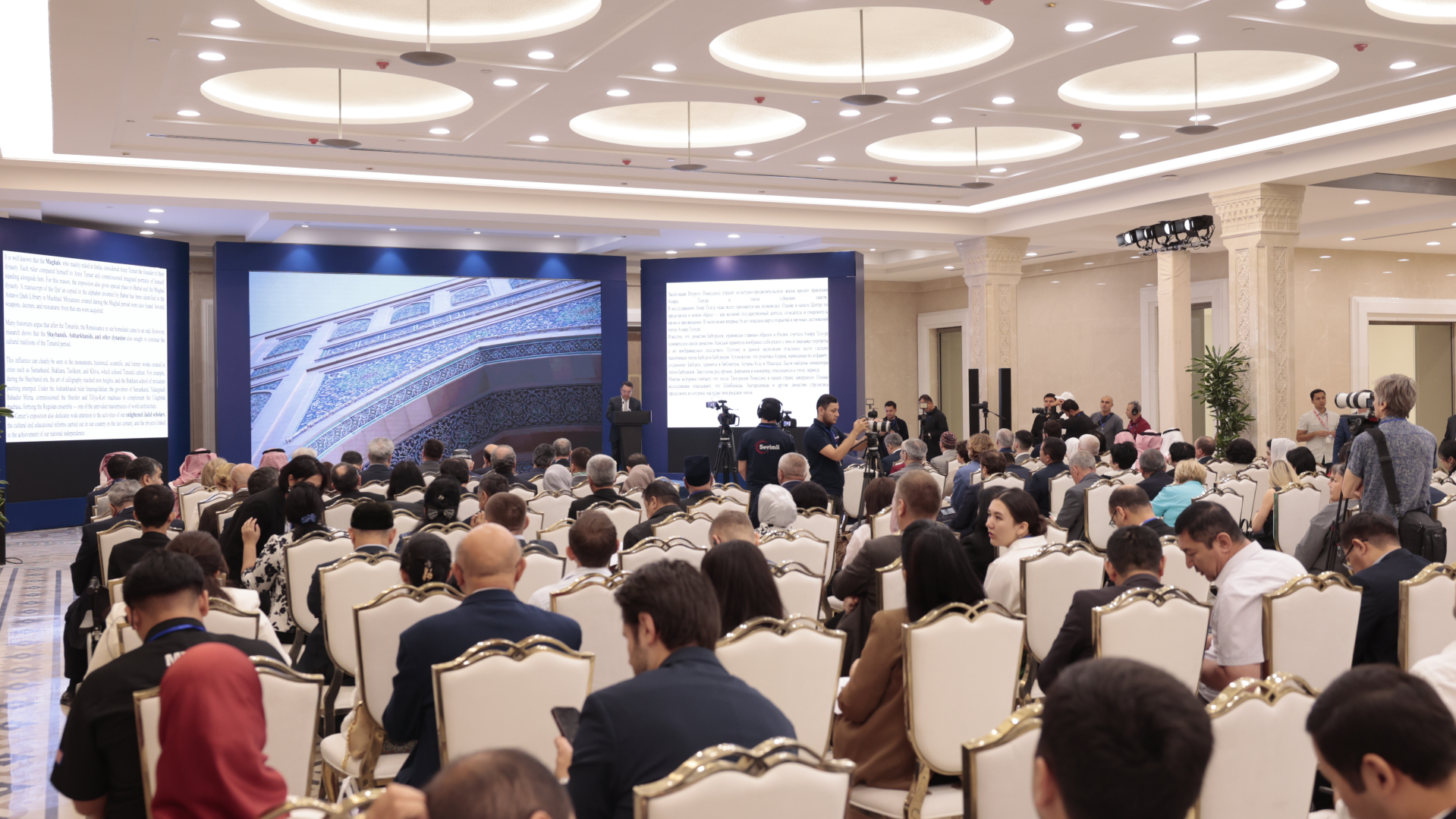
Over 100 experts from more than 20 countries of the world are in Tashkent!
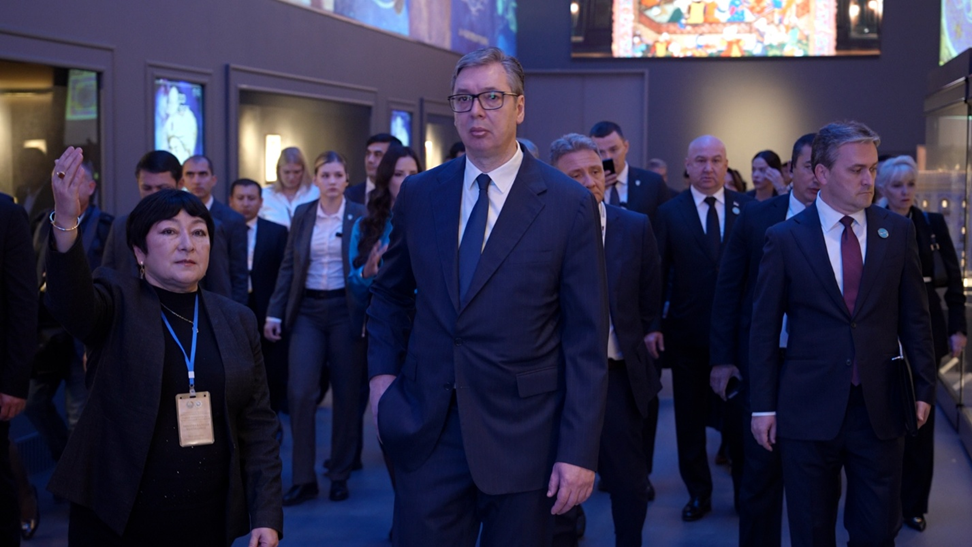
President of Serbia Aleksandar Vučić visited the Islamic Civilization Center in Uzbekistan
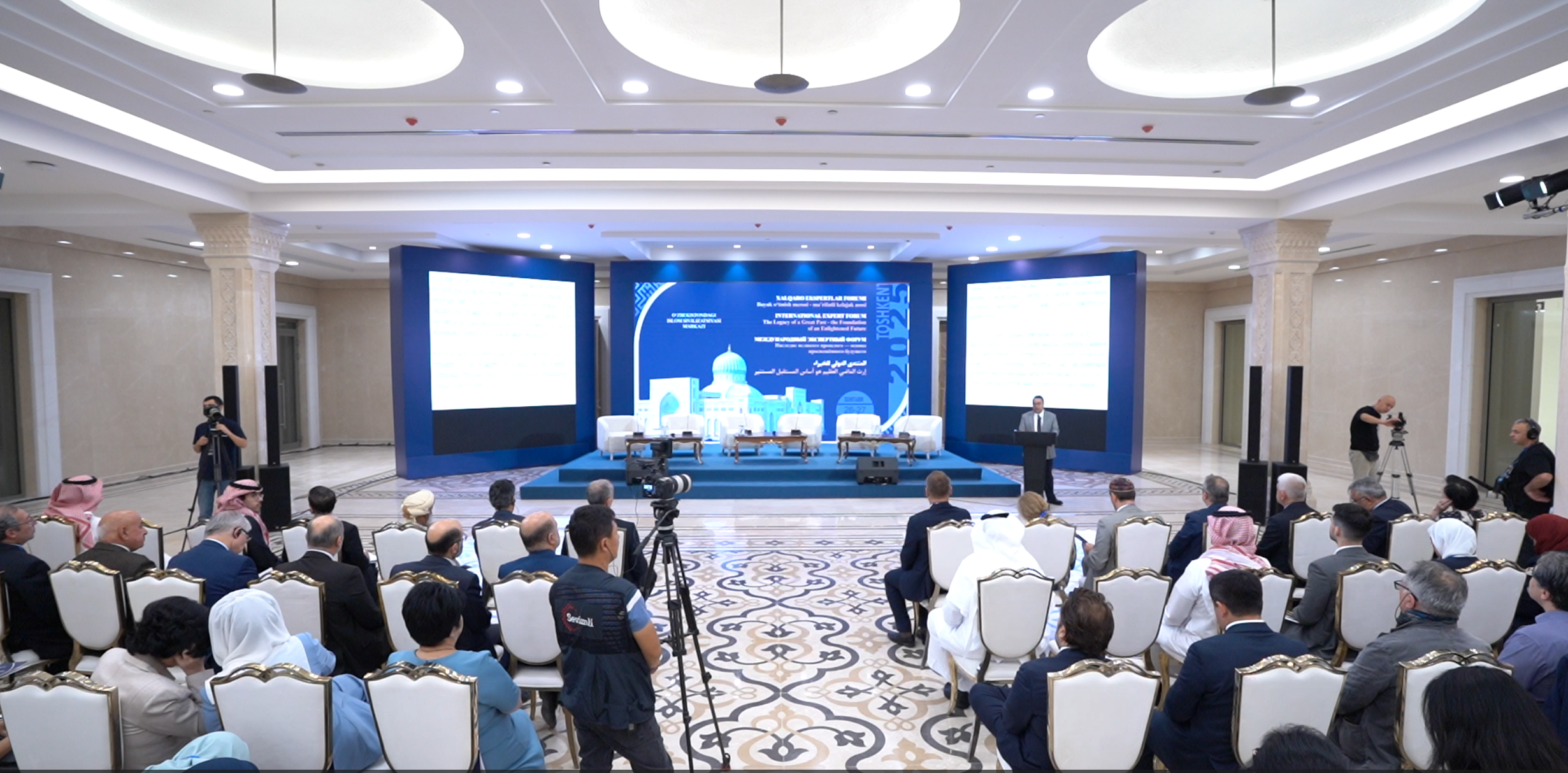
The Center for Islamic Civilization – a global platform leading towards enlightenment
