


The project for creating a two-volume book-album on Silk Heritage has been approved
At the expanded academic council meeting held at the Islamic Civilization Center in Uzbekistan, the Center’s major academic publishing initiative the preparation of a two-volume book-album dedicated to silk civilization was placed on the main agenda. The meeting was attended by the Director of the Center, Firdavs Abdukhalikov, and members of the academic council.


During the discussion, proposals were reviewed in detail regarding the structure of chapters, academic approach, visual concept, and photography for the two planned volumes “Silk: Art and Heritage” and “Silk: History, Culture and Technology.” Dr. of Arts, Professor Kholida Kamilova delivered an extensive presentation on the volumes.

“This project is truly remarkable. It is especially important that such initiatives are being implemented at the Islamic Civilization Center in Uzbekistan, established on the initiative of President Shavkat Mirziyoyev. One of the products that has introduced our country to the world is silk. Therefore, this theme must be presented as broadly as possible,” said Dr. of History, Professor Abdumajid Madrahimov.
The first volume (History, Culture, and Traditions) will cover the origin of silk, its role in ancient civilizations and along the Great Silk Road, its development during the Islamic world and Renaissance periods, as well as ornaments, symbols, and traditional silk garments.
The second volume (Modernity, Technology, and the Future) is expected to include topics such as modern silk production, Uzbekistan’s role as a global center in this field, the application of silk in fashion and design, its value in interior and art, innovative trends, and future prospects.
It was also agreed that as an additional supplement, the book-album will include a chronology of the history of silk production, Silk Road maps, ornament catalogues, portraits of master artisans, a glossary of terms, and a directory of world museums and collections.
At the end of the meeting, working groups for preparing the two-volume publication were formed, and specific tasks were assigned by sections.
Most read
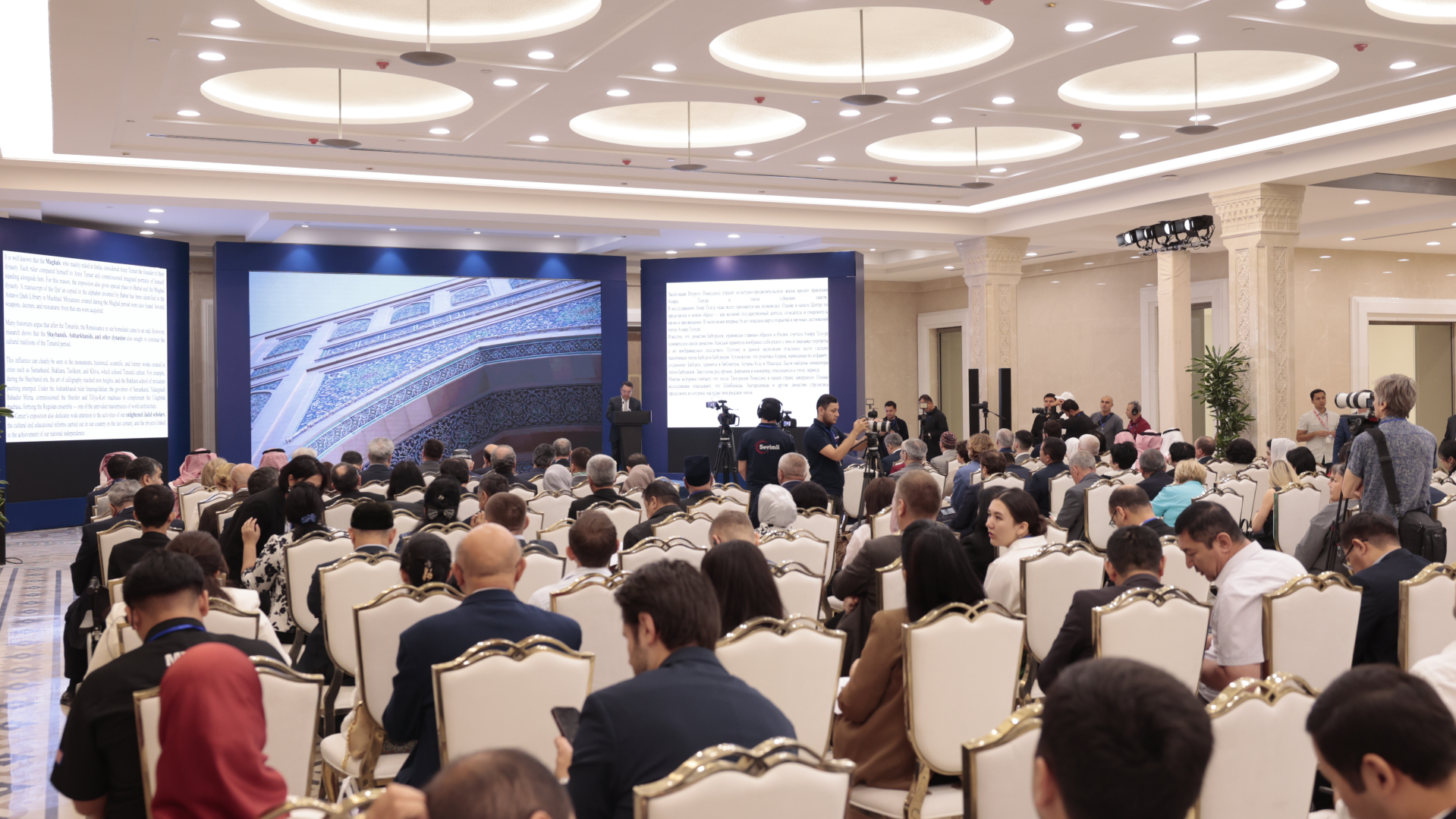
Over 100 experts from more than 20 countries of the world are in Tashkent!
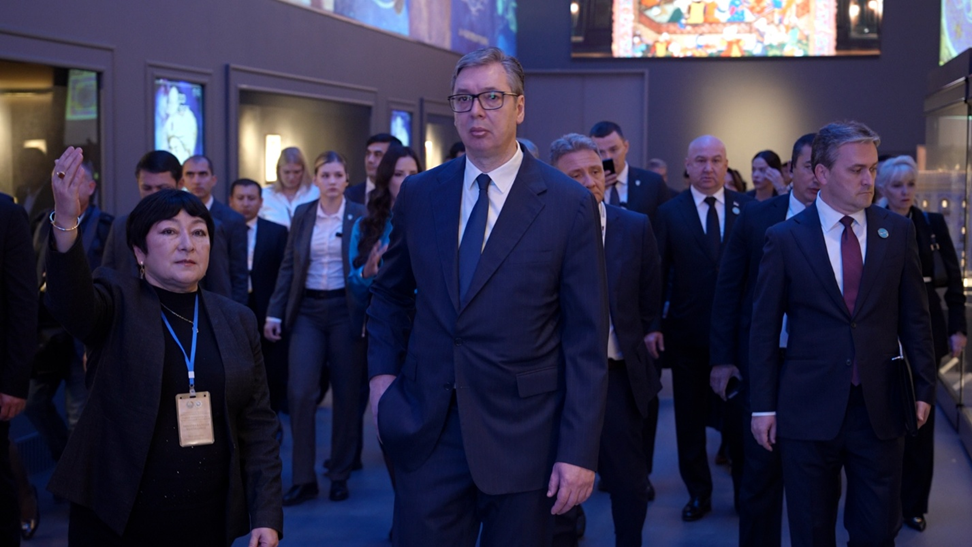
President of Serbia Aleksandar Vučić visited the Islamic Civilization Center in Uzbekistan
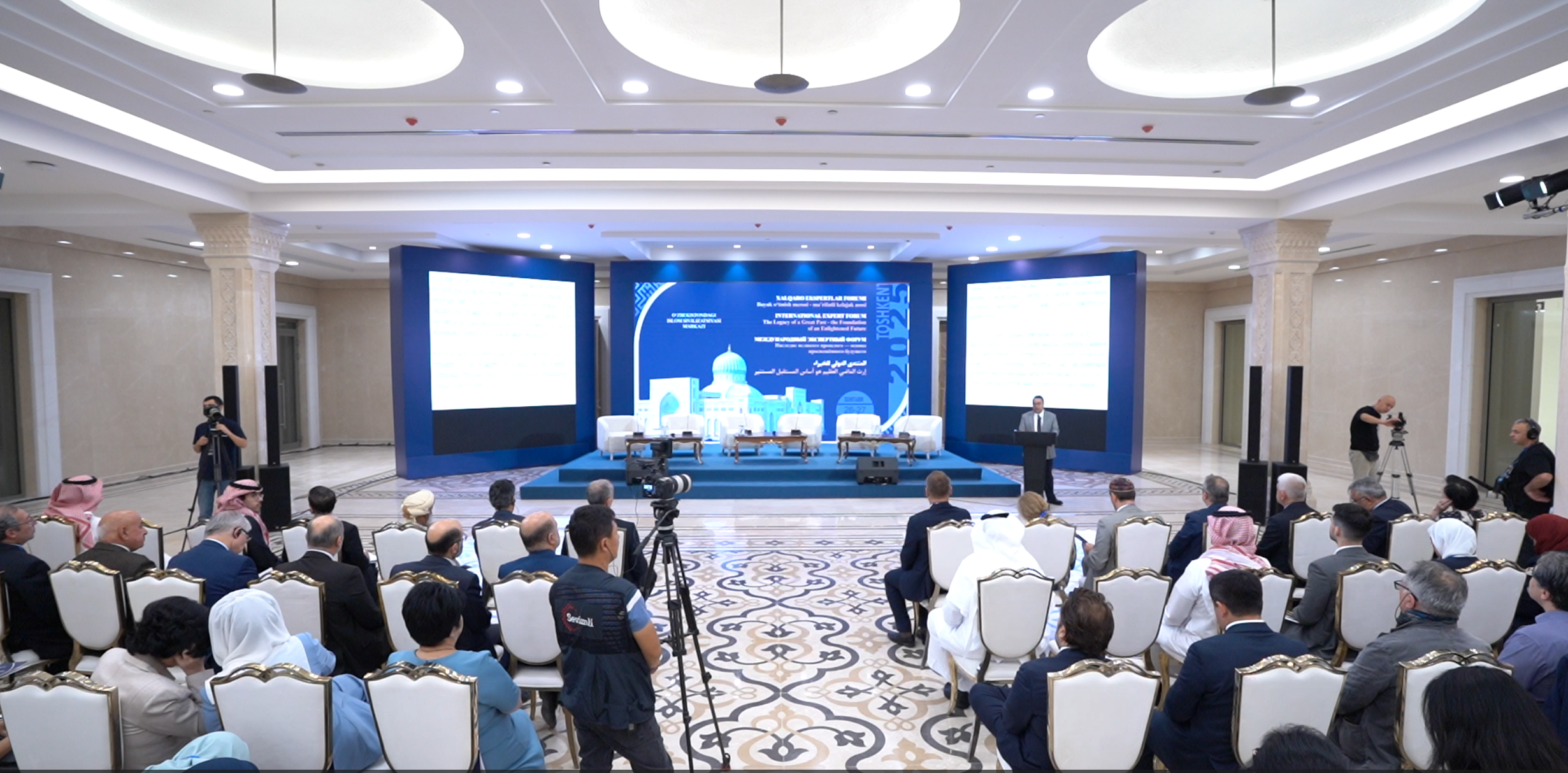
The Center for Islamic Civilization – a global platform leading towards enlightenment
