


What led to the creation of today’s widely used GPS?
🔴What news did scientists receive from the sky?
🔴How were the secrets of astronomy revealed?
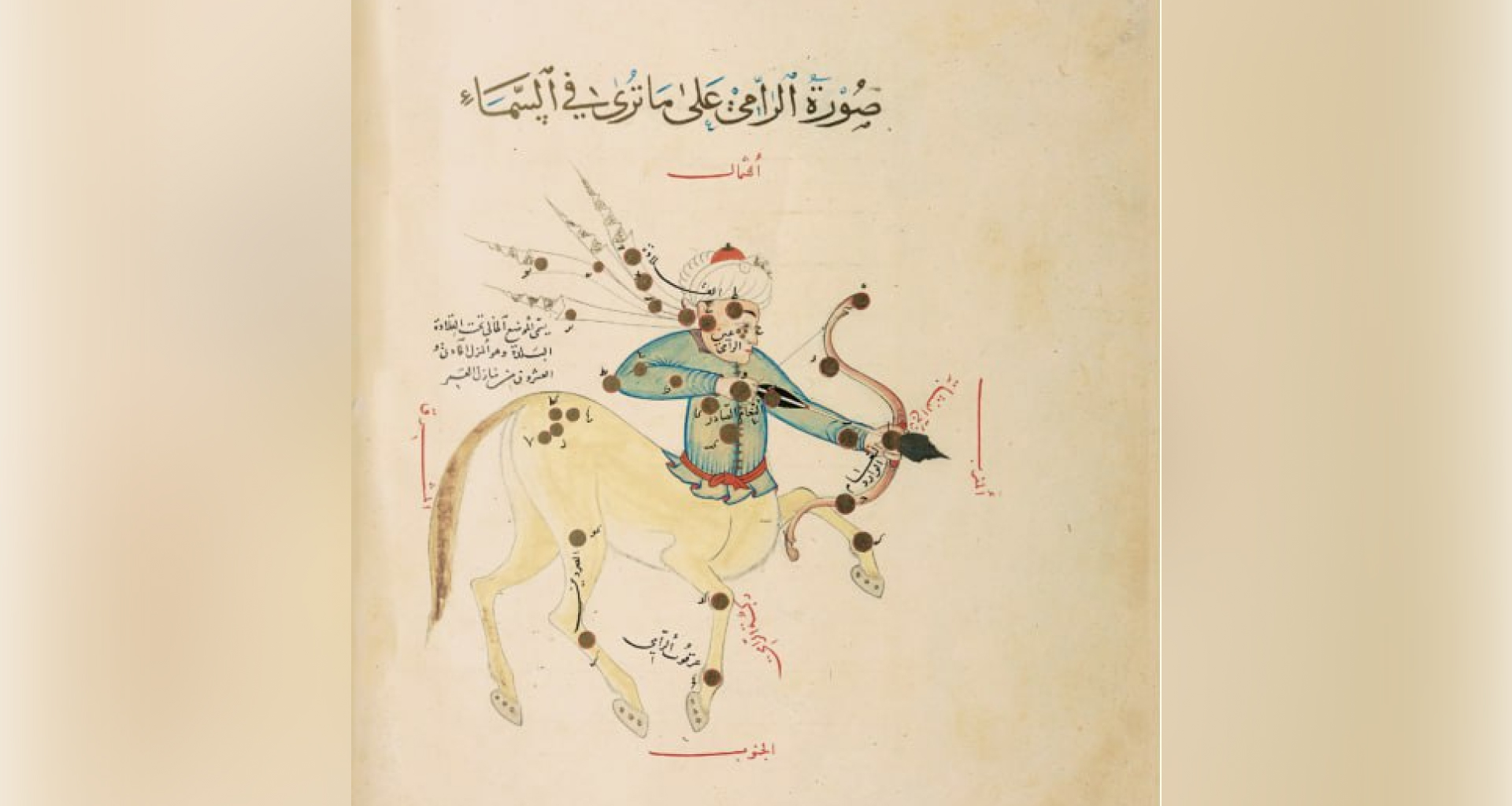
The history of astronomy reflects humanity’s quest to look up at the sky, to understand mysterious phenomena, and to transition toward a rational scientific foundation. In 960, the famous astronomer ʿAbd al-Rahman al-Sufi revised Ptolemy’s star catalog and, with the help of the astrolabe, created one of the earliest star maps that still holds significance today.
After that, astronomers, by developing the laws of celestial mechanics, gained the ability to calculate time and space and to predict future events. This process paved the way for the invention of instruments such as calendars, the sextant, and modern GPS.
Modern astrophysics, in turn, has deepened humanity’s knowledge of the universe by studying the nature and evolution of stars, nebulae, and galaxies.
This very scientific discovery is also featured in the exhibition of the Center of Islamic Civilization museum in Uzbekistan, serving to inspire visitors with a vivid understanding of the science of astronomy.
Most read

Over 100 experts from more than 20 countries of the world are in Tashkent!

President of Serbia Aleksandar Vučić visited the Islamic Civilization Center in Uzbekistan

The Center for Islamic Civilization – a global platform leading towards enlightenment
