


How will the 20th-century pages of a 3,000-year history be reflected at the Center?
🔴 A journey through history via a tunnel
🔴 One exhibition, three eras, and hundreds of memories...

At the Center of Islamic Civilization in Uzbekistan, 3,000 years of history from the pre-Islamic era to New Uzbekistan will be presented through modern means. In particular, the events of the 20th century, including the Jadid movement, the Babakhanov family of muftis, the Sharof Rashidov period, the years of Independence, and the stage of New Uzbekistan, are planned to be showcased through a special “tunnel” at the Center.
At the recent meeting of the working group, the ongoing work and conceptual framework of the section “Uzbekistan in the 20th Century” were discussed. First, detailed information was given about the main idea of the section, the principles of presenting historical periods, and the process of shaping the exhibition’s content.
In particular, it was noted that newspapers and journals such as Amudaryo, Yer Yuzi, Al-Islah, Bayan al-Haqq, and Ulamo Jamiyati related to the activities of the Jadids would be included as important parts of the exhibition.
During the discussions, the possibility of displaying exhibits related to the activities of Eshon Bobokhon ibn Abdulmajidkhon, Ziyovuddinkhon ibn Eshon Bobokhon, and Shamsuddinkhon Bobokhonov using archival photo and video materials was emphasized.
It was also recommended to include government decrees on the establishment of the Religious Board of Uzbekistan, historical documents, and photographs in the exhibition.
The section dedicated to Sharof Rashidov’s era will highlight achievements in literature, art, architecture, and agriculture, as well as the construction and design of the Tashkent metro. It was also proposed to display selected works of Rashidov.
According to Dr. Temur Shirinov, professor of history:
“The Rashidov period stands out for its large-scale constructions and advancements in culture and technology in Uzbekistan. One of the symbols of this era is the Tashkent Metro, especially stations like Alisher Navoi with their exquisite Uzbek-style design. Likewise, the architecture of the metro, the Tashkent TV tower, and other constructions vividly reflect the spirit of that era. Through visual depictions of such historical objects, visitors will be able to immediately recognize the Rashidov period”.
In the section on the Independence era, discussions centered on including the Declaration of Independence of August 31, 1991, the Law on Independence, works of Islam Karimov, and enriching the library’s collection with these materials.
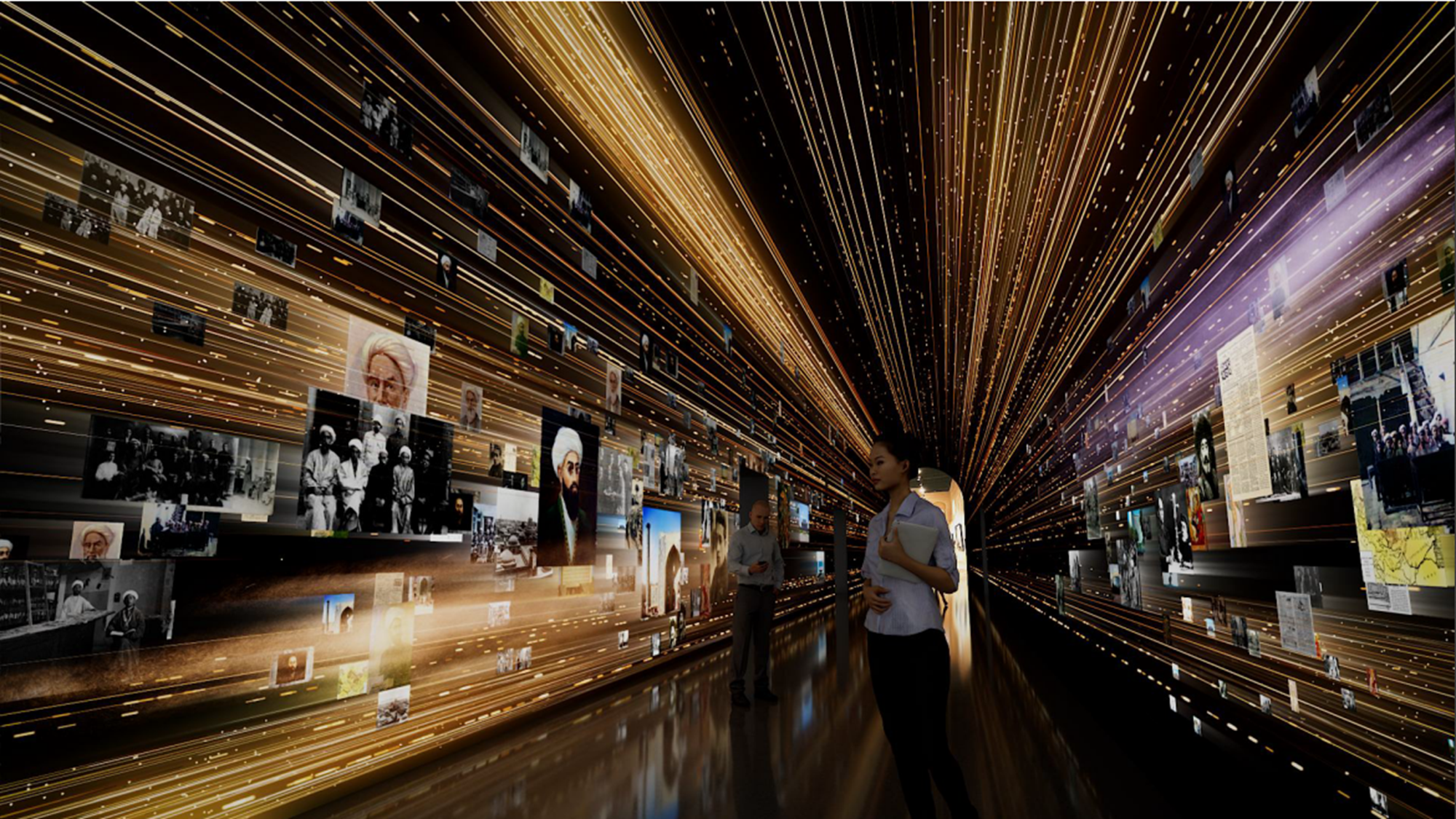
In the “special tunnel” exhibition, the sequence will culminate with a visual transition to the section “New Uzbekistan – the foundation of a New Renaissance” through the inauguration ceremony of President Shavkat Mirziyoyev.
At the conclusion of the meeting, scholars reached a consensus on the content of the projects and their visual presentation.
Most read
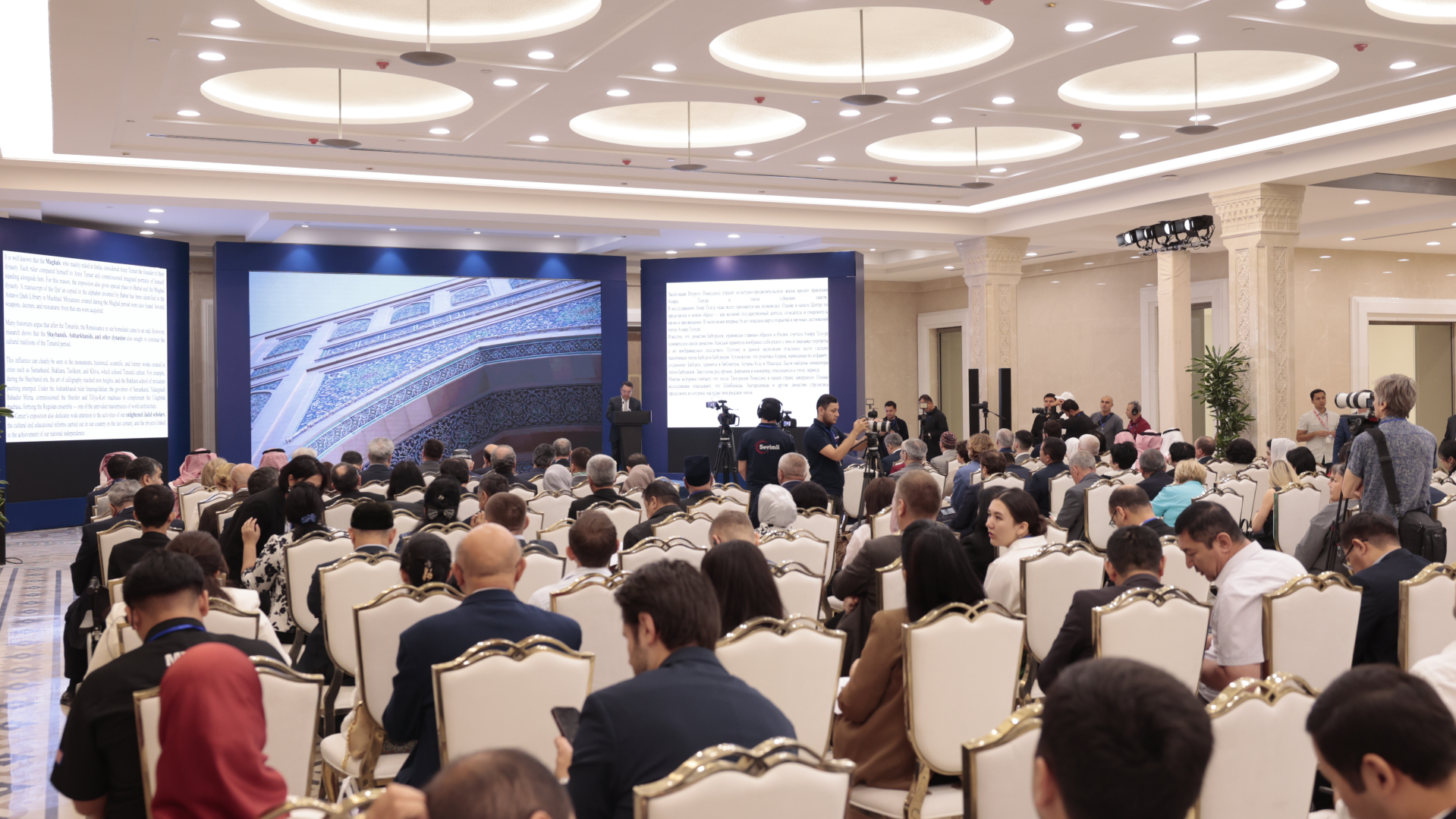
Over 100 experts from more than 20 countries of the world are in Tashkent!
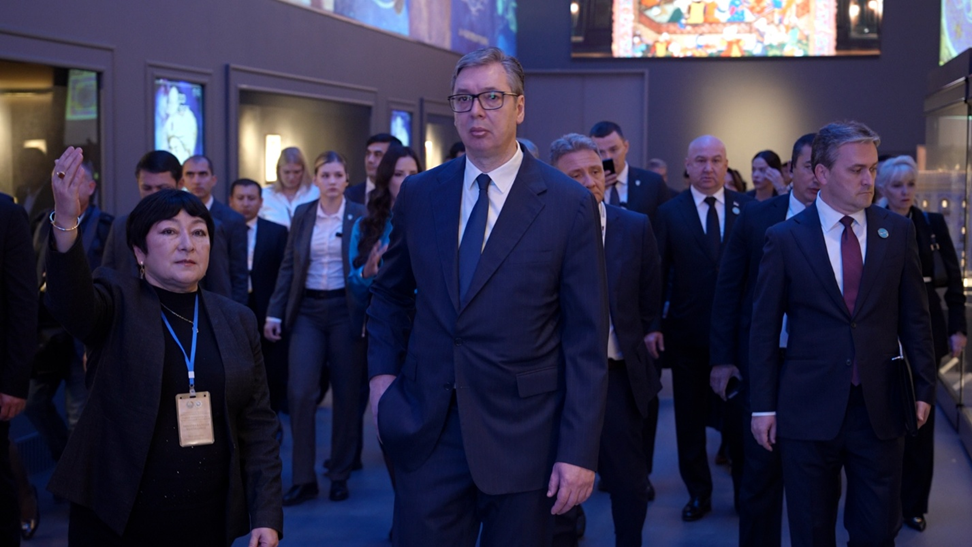
President of Serbia Aleksandar Vučić visited the Islamic Civilization Center in Uzbekistan
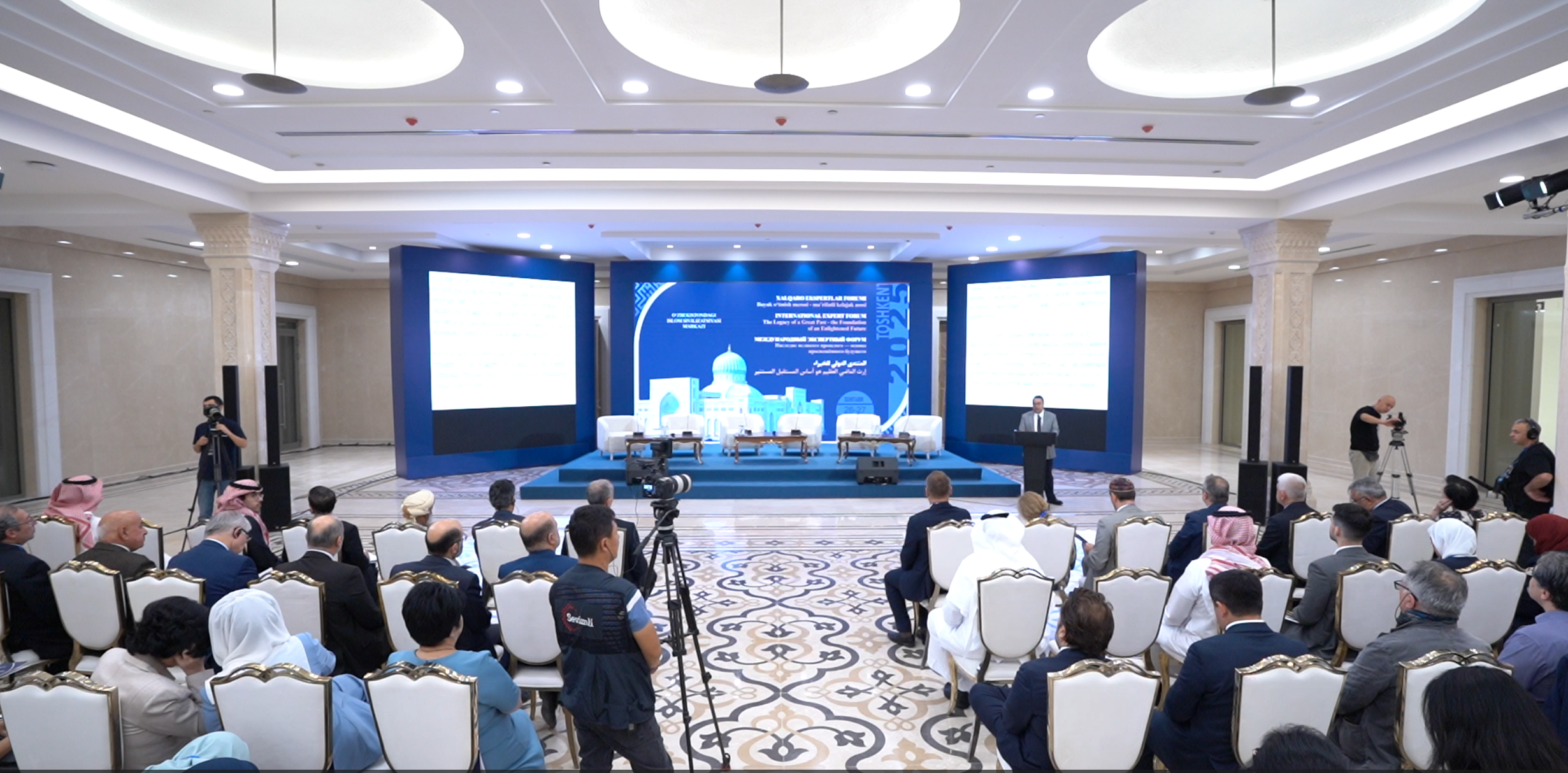
The Center for Islamic Civilization – a global platform leading towards enlightenment
