


Nine volumes of the State Register of Ancient Written Sources have been published
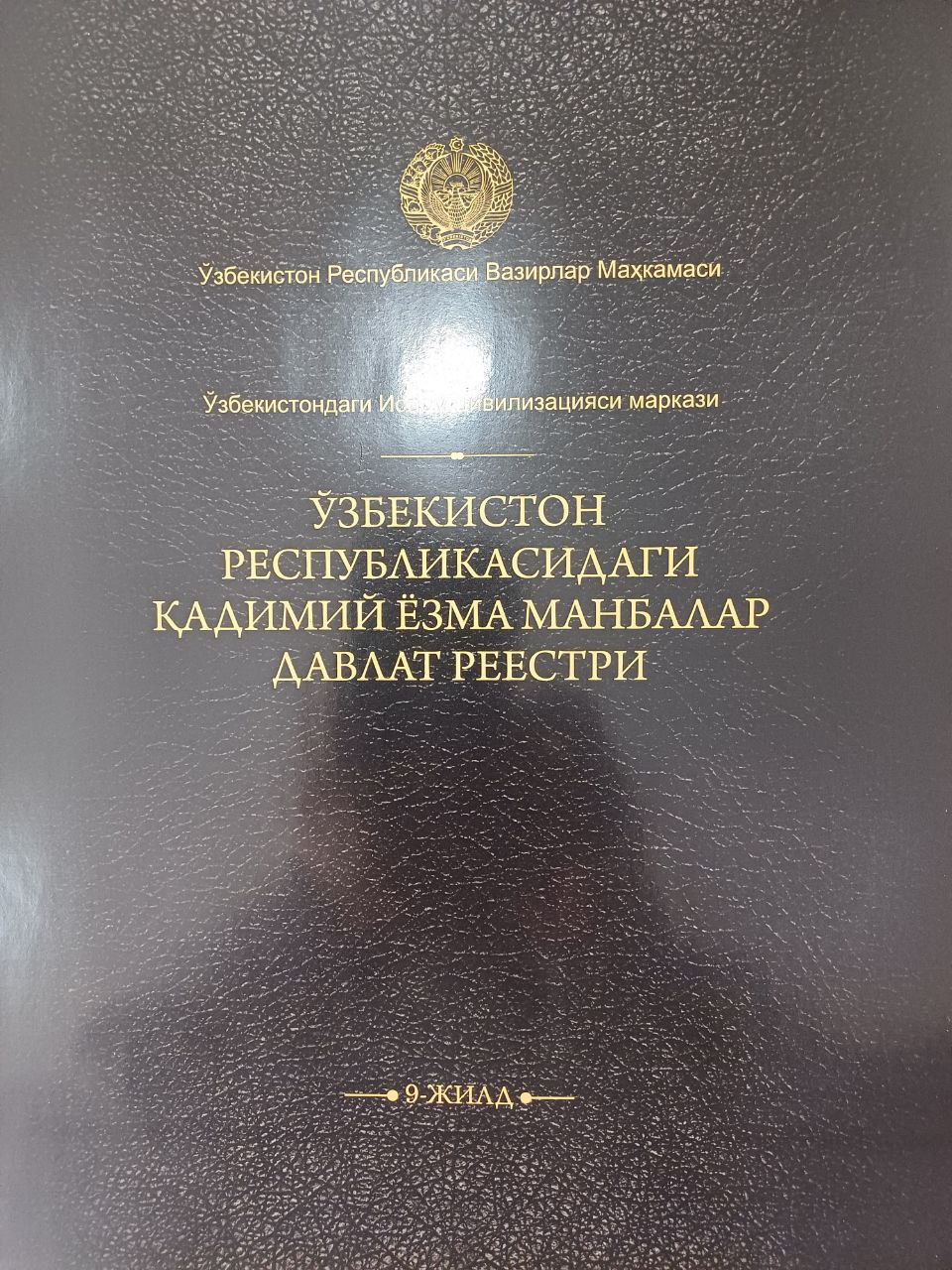 In accordance with the Resolution of the President of the Republic of Uzbekistan No. 126 dated February 10, 2022, the Center of Islamic Civilization in Uzbekistan continues the work of compiling the State Register of unique manuscripts preserved in our country. For reference, the Center has published the ninth volume of the State Register of Unique Manuscripts.
This ninth volume includes 1,000 manuscripts, all of which belong to the manuscript collections of the Abu Rayhan Beruni Institute of Oriental Studies. The chronological span of the materials included in this volume ranges from the 11th century to the early 20th century. These sources cover a wide range of disciplines, including the Qur’an, hadith, theology, jurisprudence, Islamic history, world history, literary history, philosophy, law, chemistry, medicine, linguistics, pharmacology, geography, music, mineralogy, agriculture, and more.
The ancient manuscripts were written in the languages of the Muslim East, including Arabic, Old Uzbek, Persian, Turkish, and Tatar.
Among the works included in the ninth volume of the State Register are rare manuscripts copied between the 11th and early 20th centuries. These include:
Gharib al-Qur’an (The Marvels of the Qur’an) by Abu Bakr Muhammad ibn Azizus, copied in 491/1098;
Kitab al-Iqtisad fi al-I‘tiqad (The Book of Moderation in Belief) by Abu Hamid Muhammad ibn Muhammad al-Ghazali, copied in 544/1149;
Kitab al-Ahadith (The Book of Hadith) by Ahmad ibn Abul Hasan ibn Na‘im, copied in 662/1264;
Mukhtasar Ghirar al-Akhbar (Abridged Summary of “Ghirar al-Akhbar”) by Siraj al-Din Uzjandi, copied in 569/1173;
Tazkirat al-Awliya (Memoirs of the Saints) by Shaykh Farid al-Din Muhammad ibn Ibrahim ‘Attar, copied in 698/1299;
Tafsir of Abdulqahir by Abdulqahir ibn Tahir al-Baghdadi, copied in 647/1250;
al-Wajiz fi al-Tafsir (A Concise Tafsir) by Abu al-Hasan ‘Ali ibn Ahmad ibn Muhammad al-Wahidi al-Nisaburi, copied in 600/1204;
Taysir fi ‘Ilm al-Tafsir (Facilitation in the Science of Tafsir) by Najm al-Din Abu Hafs ‘Umar ibn Muhammad al-Nasafi, copied in 648/1250;
Majma‘ al-Amthal (Collection of Proverbs) by Abu Fadl Ahmad ibn Muhammad ibn Ahmad ibn Ibrahim Maydani al-Nisaburi, copied in 628/1230;
Yawaqit Mawaqit (Emeralds of Times) by Najm al-Din Abu Hafs ‘Umar ibn Muhammad al-Nasafi, copied in 654/1256;
Ash‘ar-i Sa‘di (Poems of Sa‘di) by Muslih al-Din Sa‘di of Shiraz, copied in 722/1321;
Khamsa by Amir Khusraw Dehlavi, copied in 756/1355;
‘Ayn al-Ma‘ani fi Sab‘ al-Mathani (The Source of Meanings in the Seven Oft-Repeated Verses) by Muhammad ibn Tayfur al-Ghaznawi al-Sijawandi, copied in 701/1302;
Ihya’ ‘Ulum al-Din (Revival of the Religious Sciences) by Abu Hamid Muhammad ibn Muhammad al-Ghazali, copied in 716/1316;
Diwan-i Husayni (Collected Poems of Husayni) by Abulghazi Bahadur Sultan Husayn Mirza ibn Mirza Mansur (Sultan Husayn Bayqara), copied in 1347/1928.
These rare manuscripts represent an invaluable cultural and intellectual legacy, spanning nearly a millennium of Islamic and world scholarship.
Most read
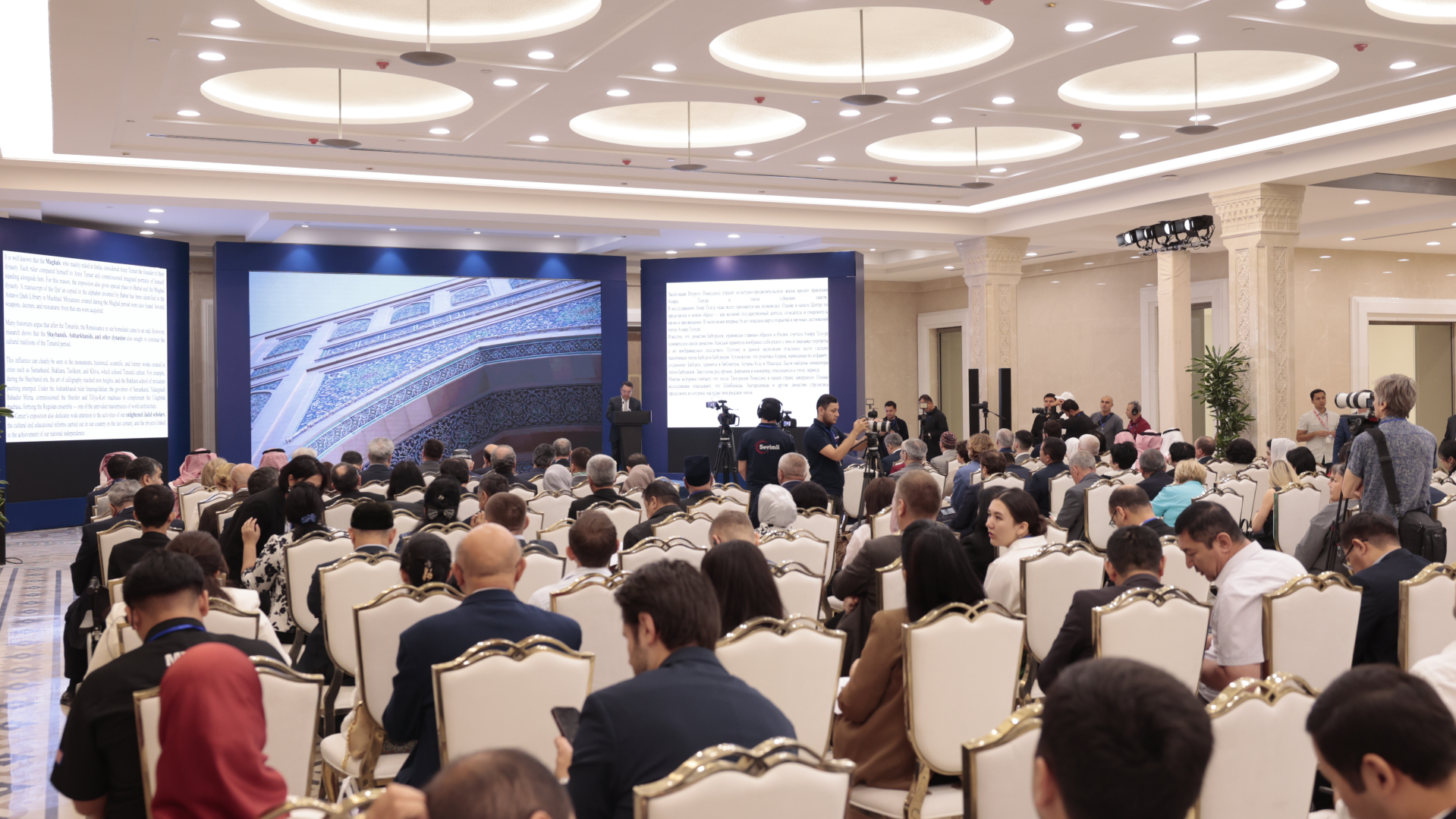
Over 100 experts from more than 20 countries of the world are in Tashkent!

President of Serbia Aleksandar Vučić visited the Islamic Civilization Center in Uzbekistan
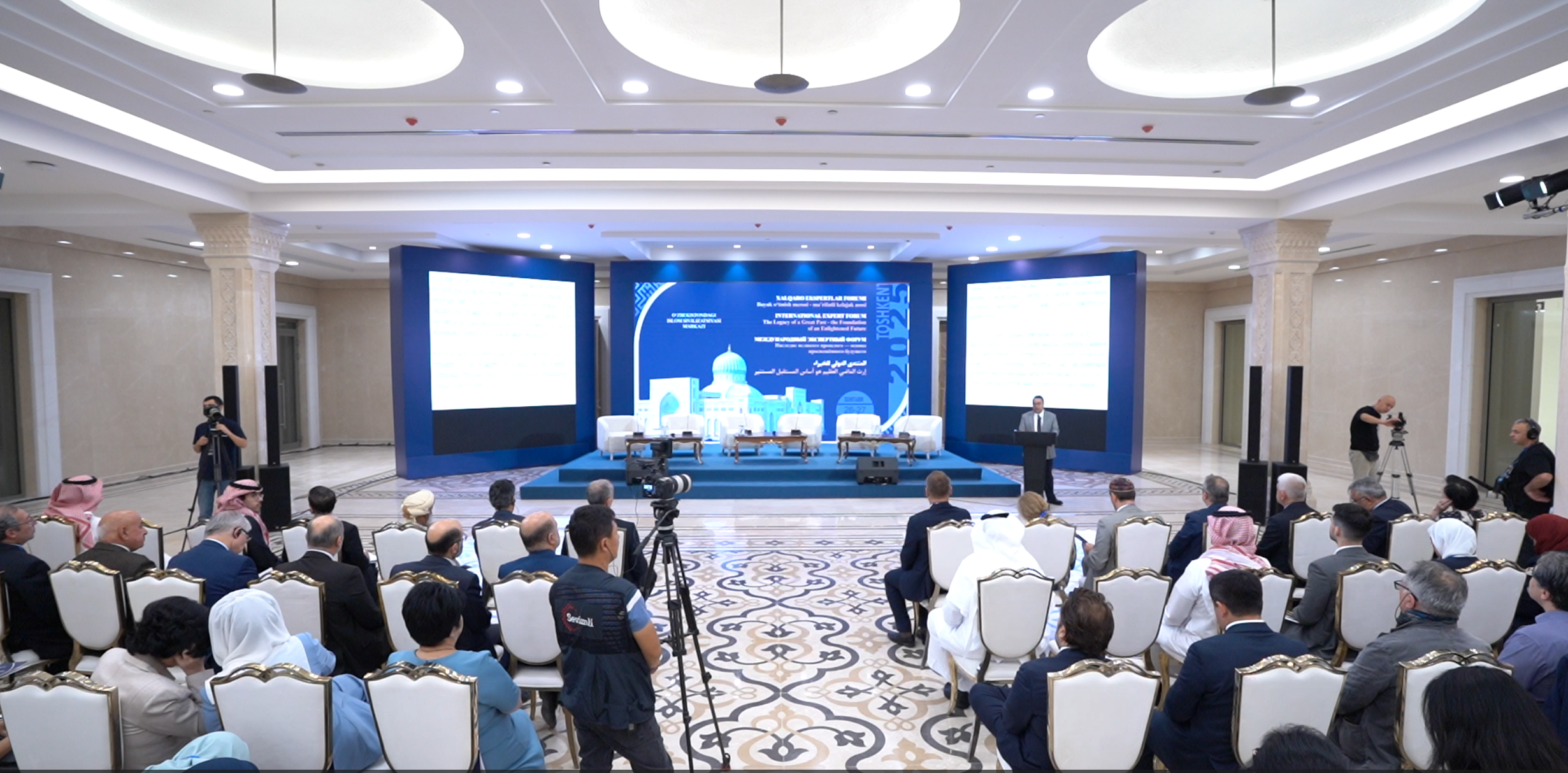
The Center for Islamic Civilization – a global platform leading towards enlightenment
