


The Khotan carpet – a 200-year-old gift from the British Museum

A Khotan carpet from East Turkestan with a two-hundred-year history was presented to the museum exhibition of the Center for Islamic Civilization in Uzbekistan. This valuable exhibit was donated by the Museum of the Center of Islamic Studies at Cambridge during the international forum “The Legacy of the Great Past – the Foundation of an Enlightened Future” held in Tashkent.
It was acquired in February 2025 through Champions, one of the world’s oldest auction houses. As the auction house celebrated its anniversary this year, the presentation of the artifact gained additional symbolic significance.
For centuries, Khotan carpets have been woven in the region of Eastern Turkestan. They are renowned not only for their exceptional craftsmanship but also for their profound spiritual symbolism. The gifted Cambridge carpet features the “Vogel” motif a stylized floral vase symbolizing spring, renewal, and life. The surrounding flowers represent femininity, grace, and fertility.
Historical and Cultural Significance
For centuries, Khotan served as a vital crossroads on the Silk Road. Through the trade routes passing this region, carpets spread across the world not merely as household items but as carriers of culture and spirituality. As a result, they embody a vivid synthesis of Bactrian, Persian, Chinese, and Indian cultural traditions.
Today, Khotan carpets are preserved in institutions such as the Museum of Oriental Art in Moscow and leading auction houses in Britain. However, in terms of design and color, the Cambridge carpet stands out as truly unique.
Most read
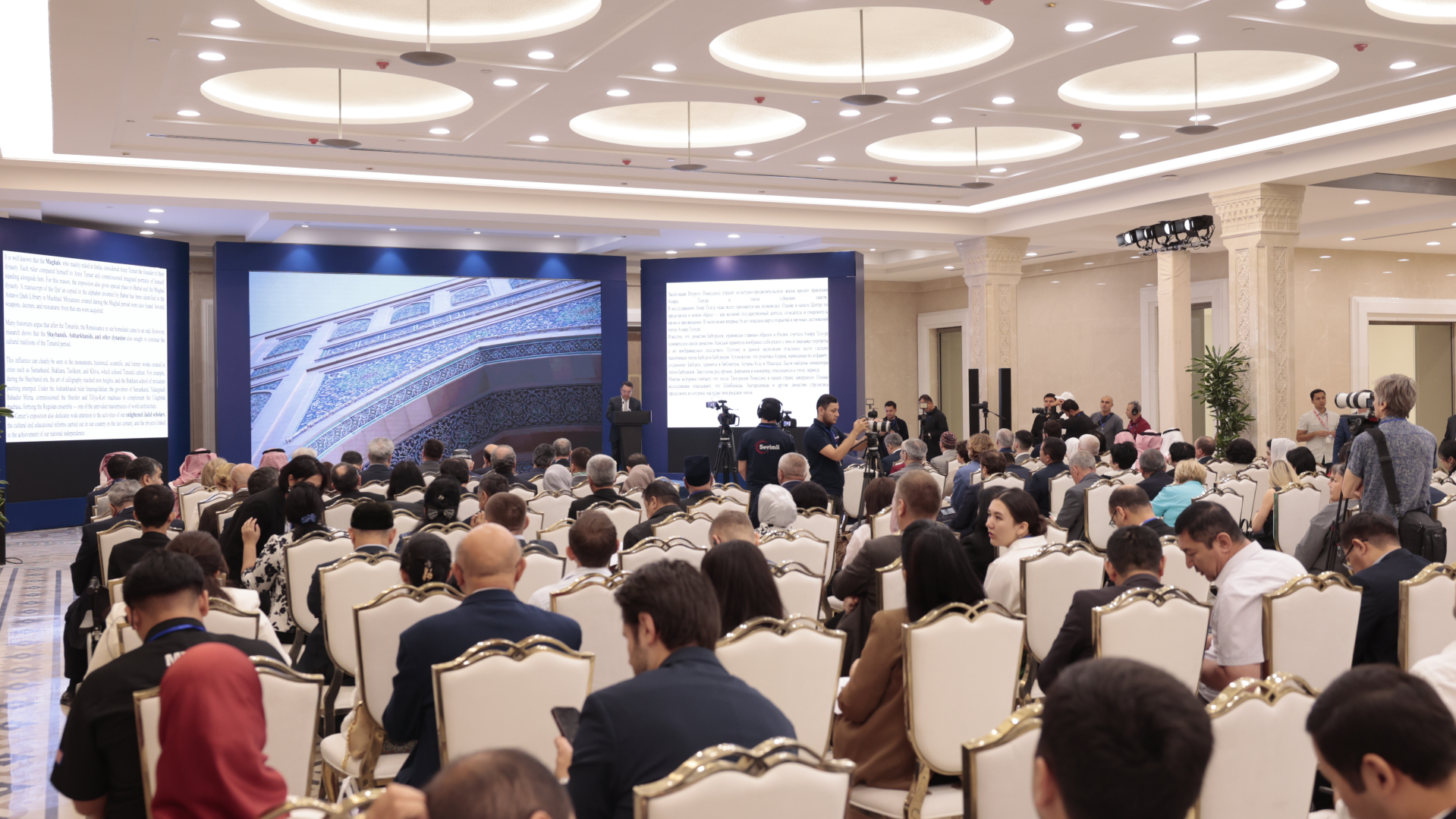
Over 100 experts from more than 20 countries of the world are in Tashkent!
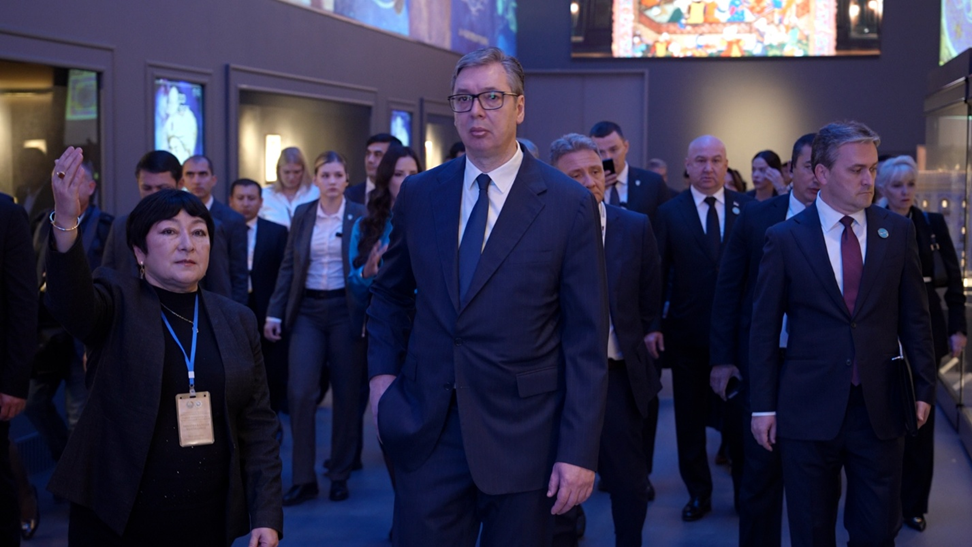
President of Serbia Aleksandar Vučić visited the Islamic Civilization Center in Uzbekistan
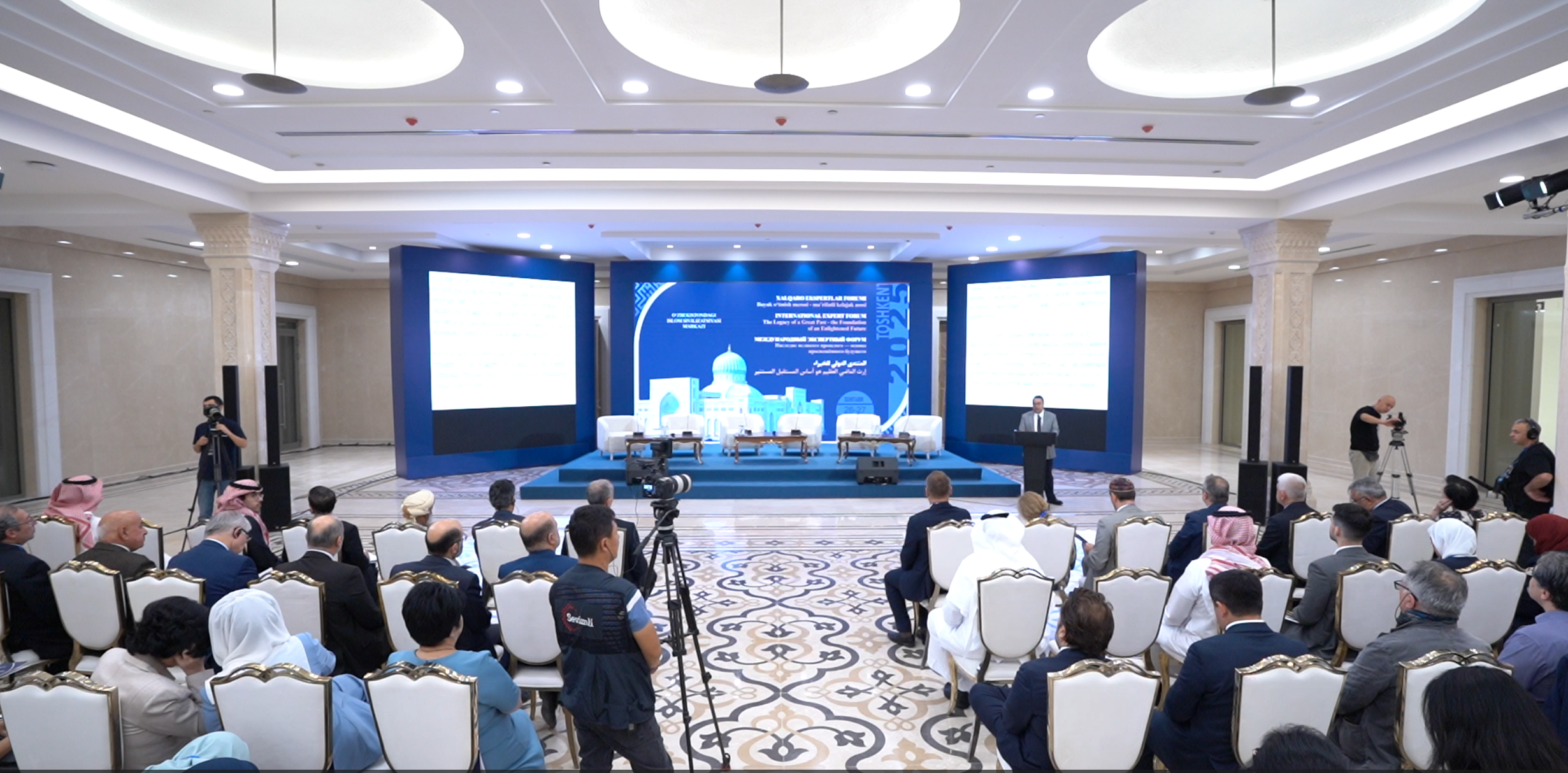
The Center for Islamic Civilization – a global platform leading towards enlightenment
